Lifeplan

Still Sneezing? Why Hay Fever Can Be Worse in August Than You Think


Most people think hay fever is a spring problem. Then August arrives and they're still carrying tissues everywhere.

If you're wondering why your symptoms haven't disappeared, you're not imagining it. While tree pollen season is mostly behind us, grass pollen can continue through much of the summer and weed pollens become more prominent as we move into late summer and early autumn.

The result? Plenty of people are still dealing with sneezing, itchy eyes, congestion and that annoying blocked-up feeling long after spring.

The Problem Isn't Always Pollen

When people think of hay fever, they usually focus on what's happening outdoors.

But pollen doesn't stay outside.

It gets trapped in your hair, your clothes, your car and your bedding. Open windows can bring it into the house, and pets can unknowingly carry it indoors after walks.

That's why some people feel like they're getting no relief, even when they're spending more time inside.

One of the Most Underrated Tools: Nasal Washing

When customers ask us what non-drug approach is worth trying first, nasal washing is often high on the list.

A saline nasal rinse doesn't treat allergies, but it can help physically wash pollen, dust and mucus out of the nasal passages. You're removing the irritants rather than trying to fight them.

Many people use a saline spray, squeeze bottle or neti pot once or twice daily during heavy pollen periods.

The key is consistency. If you're spending time outdoors, a quick rinse when you come home may help remove some of the pollen you've been exposed to throughout the day.

What About Quercetin?

Quercetin has become one of the most talked-about supplements during allergy season.

It's a naturally occurring plant compound found in foods like onions, apples, berries and broccoli.

Many people choose quercetin supplements as part of their seasonal wellness routine. It remains one of the most popular choices among people looking for nutritional support during hay fever season.

Nettle: A Traditional Favourite

Nettle has a long history of traditional use and continues to be widely used in herbal products. Nettle is a popular option for people looking to support their wellbeing during allergy season.

Where Does Vitamin C Fit In?

Vitamin C is probably best known for its role in supporting the normal function of the immune system.

It also acts as an antioxidant and is found naturally in foods such as:

  • Citrus fruits
  • Strawberries
  • Kiwi
  • Peppers
  • Broccoli

Some people like to include vitamin C alongside other supplements during allergy season.

A Few Simple Things That Can Make a Difference

Beyond supplements, there are practical habits that many allergy sufferers find helpful:

  • Check pollen forecasts before heading outdoors.
  • Keep windows closed during high pollen periods.
  • Shower after spending time outside.
  • Change clothes when you get home.
  • Hoover regularly.
  • Wash pillowcases frequently.

None of these are revolutionary, but together they can reduce the amount of pollen you're exposed to throughout the day.

There isn't a magic solution for hay fever, but there are plenty of ways to make the season more manageable.

For many people, a combination of sensible pollen avoidance, regular nasal washing and carefully chosen supplements such as quercetin, nettle and vitamin C becomes part of their annual routine.

  1. Otosan Nasal Wash (30 Sachets)
    Otosan Nasal Wash (30 Sachets)
    €9.95
  2. Otosan Baby Nasal Spray (20ml)
    Otosan Baby Nasal Spray (20ml)
    €10.95
  3. Otosan Nasal Spray 30ml
    Otosan Nasal Spray 30ml
    €10.95
  4. Otosan Nasal Wash Kit - Bottle & 30 Sachets
    Otosan Nasal Wash Kit - Bottle & 30 Sachets
    €21.96
  5. Biocare Quercetin Complex (90 Capsules)
    Biocare Quercetin Complex (90 Capsules)
    €48.95
  6. Salus Haus Nettle Organic Tea (15 Teabags)
    Salus Haus Nettle Organic Tea (15 Teabags)
    €3.50
  7. Salus Haus Organic Nettle Juice (200ml)
    Salus Haus Organic Nettle Juice (200ml)
    €8.50
  8. Lifeplan Nettle 220mg (50 Capsules)
    Lifeplan Nettle 220mg (50 Capsules)
    €11.50

Summer Travel Essentials We Actually Use (And Keep Using at Home Too)

Summer Travel Essentials We Actually Use (And Keep Using at Home Too)

Packing for holidays always sounds easy until you’re halfway through filling a washbag wondering why you suddenly own 14 tiny bottles of things you never normally use.

Over the years, we’ve found that the best travel products are the ones that are:

  • easy to pack
  • genuinely useful
  • multitasking
  • long-lasting
  • and simple enough that you’ll keep using them at home afterwards too

These are some of our favourite summer travel essentials for keeping things practical, lightweight, and stress-free during busy summer months.


Multitasking Products Always Win

When you’re travelling, the fewer products you need to pack, the better.

Anything that can do more than one job is automatically a summer essential.

One of our favourites is the Trilogy Everything Balm, the kind of product you end up reaching for constantly during holidays.

Perfect for:

  • dry lips
  • cuticles
  • dry skin patches
  • hands after sun exposure
  • travel skin dryness
  • elbows, heels, and basically anything that needs a bit of moisture

It’s one of those “throw it in your bag and use it for everything” products that works just as well at home too.


Solid Shampoo & Shower Bars That Last

One of the easiest travel swaps is switching from bulky bottles to solid bars.

We love the Skoon solid shampoo and shower bars because:

  • they’re lightweight
  • ideal for hand luggage
  • no leaking in your bag
  • 1 shampoo bar equals roughly 3 bottles of shampoo

They last surprisingly well, which makes them brilliant not just for travel, but for everyday use at home too.

Once people switch to solid bars for holidays, they usually end up keeping them in their routine afterwards because they’re just easier.


Mineral SPF That’s Easy to Throw in Your Bag

Sunscreen is one of those things you never regret packing extra of.

Biosolis mineral SPF is one of our favourite summer essentials, easy to throw in your bag for holidays, busy days out, and everyday use at home. Mineral provide instant broad-spectrum protection and are especially gentle on sensitive skin.

For a lightweight glow, Weleda’s UV Glow Fluid combines UV protection with nourishing oils plus light-reflecting pigments for a natural radiant finish. The fragrance-free formula leaves skin looking healthy and glowing without feeling heavy, perfect for easy summer skincare on the go.


DEET-Free Insect Protection for Summer Evenings

Nothing ruins a lovely summer evening faster than insect bites.

Incognito is one of our go-to summer ranges because it’s DEET-free and designed for travel, holidays, camping, and evenings outdoors.

The range includes:

  • insect repellent spray
  • soap
  • incense
  • and Zap-Ease bite relief

They’re the kind of products that are handy to have both abroad and at home during warmer months when everyone is spending more time outside.


Probiotics for Travel Routines

Travel tends to throw normal routines completely off, different foods, different meal times, travel days, eating out more often.

A lot of people like to bring probiotics while travelling simply as part of keeping things feeling a bit more balanced while away.

They’re easy to pack, simple to take, and useful to have on hand during busy travel days or holidays where routines are less predictable than usual.


Vitamin Oral Sprays for On-the-Go Support

When you’re travelling, convenience matters.

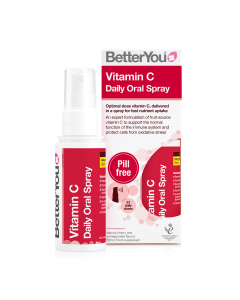
BetterYou vitamin oral sprays are one of our favourite travel essentials because they’re:

  • easy to carry
  • quick to use
  • great for flights or long travel days
  • and ideal when you’re constantly out and about

No water, no tablets, just something simple that fits easily into busy days.

They’re also perfect for everyday life at home when mornings are rushed and routines are all over the place.


Don’t Forget Aloe Vera

Aloe vera is one of those summer staples people are always glad they packed. Perfect for after sun exposure, cooling and hydrating skin during warm weather, and even better kept in the fridge on hot days. Whether you’re travelling abroad or enjoying the occasional Irish sunshine, it’s a simple summer essential that’s always useful to have on hand.

The best summer essentials are usually the simplest ones, products that make life easier, travel lighter, and fit into real life without needing a full routine overhaul.

We love practical summer wellness products that work just as well at home as they do in your holiday bag.

Shop Travel Essentials

Browse our full range of travel-friendly essentials for summer.

  1. Weleda UV Glow Fluid SPF30 (30ml)
    Weleda UV Glow Fluid SPF30 (30ml)
    €16.49
  2. Trilogy Fresh-Blend Vitamin C+ Glow Mask
    Trilogy Fresh-Blend Vitamin C+ Glow Mask
    €8.95
  3. Biosolis Sense Dry Sun Oil SPF50 (150ml)
    Biosolis Sense Dry Sun Oil SPF50 (150ml)
    €27.50
  4. Biosolis Sense Dry Sun Oil SPF30 (150ml)
    Biosolis Sense Dry Sun Oil SPF30 (150ml)
    €25.95
  5. Biosolis Sense Sun Milk SPF50 (150ml)
    Biosolis Sense Sun Milk SPF50 (150ml)
    €25.95
  6. Biosolis Sense Sun Milk SPF30 (150ml)
    Biosolis Sense Sun Milk SPF30 (150ml)
    €22.50
  7. Incognito Luxury Citronella Soap (110g)
    Incognito Luxury Citronella Soap (110g)
    €6.49
  8. Incognito Hair & Body Wash (200ml)
    Incognito Hair & Body Wash (200ml)
    €11.96
  9. Incognito Insect Repellent Lotion (100ml)
    Incognito Insect Repellent Lotion (100ml)
    €17.50
  10. Incognito Organic Java Citronella Oil (10ml)
    Incognito Organic Java Citronella Oil (10ml)
    €8.95
  11. Incognito Incense Sticks (10 Sticks)
    Incognito Incense Sticks (10 Sticks)
    €6.49
  12. Weleda Booster Drop - Sunkissed Bronzing (30ml)
    Weleda Booster Drop - Sunkissed Bronzing (30ml)
    €17.95

View all travel essentials →

New Year, Happy Gut: Reset Your Digestive Health for 2026 


The New Year is the perfect time to give your gut a little TLC. After weeks of rich food, less sleep, and more stress, your digestive system might be asking for a gentle reset. But good gut health doesn’t have to mean restriction - it’s about nourishment and balance.

Your Gut Deserves a Clean Slate

Your gut does a lot more than just digest food. It helps your body absorb nutrients, plays a role in supporting immunity, and can even influence how energised and balanced you feel day to day. When your digestion is sluggish or out of sync, you might notice it -  perhaps through bloating, irregularity, or general fatigue.

Supporting your gut doesn’t have to be complicated. Simple, consistent habits can make a big difference to how your digestive system functions and how you feel overall.

Simple Daily Habits That Help

1. Start your day with a warm drink
Try warm water and lemon or maybe a herbal tea. It’s a gentle way to hydrate first thing in the morning and can help wake up your digestive system before breakfast.

2. Add fermented foods
Foods like sauerkraut, kefir, and kimchi naturally contain live cultures that contribute to a healthy mix of bacteria in the gut. A small spoonful with meals a few times a week is often enough to start with.

3. Eat slowly and mindfully
Digestion begins in the mouth - chewing food well and taking your time can improve how nutrients are broken down and absorbed. Taking your time with each bite allows your digestive system to work efficiently and limits excess air intake, which can sometimes contribute to bloating. Plus, eating in a calmer state supports more comfortable digestion.

4. Move your body every day
Gentle daily movement like walking, stretching, or yoga can help keep your digestive system active. It also supports circulation and general wellbeing - a win for your whole body.

Give Your Microbiome a Little Love

Your gut microbiome - the community of bacteria that lives in your digestive tract - thrives on variety and fibre. Prebiotic foods help feed these beneficial bacteria. You’ll find them in everyday foods like bananas, oats, garlic, onions, leeks, and asparagus.

Some people find it helpful to include gut-supporting supplements, such as probiotics or digestive enzymes, as part of their routine.

Consider Professional Support

If you’ve been experiencing ongoing digestive discomfort or are curious about your gut health, consider speaking with a qualified practitioner. A gut health consultation can help identify what your body might need — whether that’s dietary adjustments, lifestyle changes, or targeted nutritional support.

Working with a professional means you can personalise your plan rather than trying to guess what might help.

How Vitamin D Improves Health: Bones, Immunity, Mood, and More

How Vitamin D Improves Health: Bones, Immunity, Mood, and More


Vitamin D, often called the “sunshine vitamin,” is essential for maintaining overall health and wellbeing. Produced naturally when the skin is exposed to sunlight, Vitamin D supports many vital processes in the body. Yet despite its importance, Vitamin D deficiency is surprisingly common worldwide. Let’s explore why this nutrient is so powerful, where it comes from, and how to ensure you’re getting enough.


1. Bone Health

  • Calcium Absorption: Vitamin D helps the body absorb calcium and phosphorus, which are essential for strong bones. Without enough Vitamin D, children can develop rickets, and adults may face osteoporosis or fragile bones.
  • Bone Density: By improving calcium absorption, Vitamin D strengthens bones, reduces fracture risks, and supports long-term skeletal health.

2. Immune System Support

  • Defence Against Illness: Vitamin D activates T cells, which detect and fight off harmful bacteria and viruses.
  • Inflammation Control: Adequate levels can reduce inflammation, helping to manage autoimmune conditions and lower the risk of infections.

3. Mental Health & Mood

  • Mood Regulation: Low Vitamin D levels are linked to depression and mood disorders such as Seasonal Affective Disorder (SAD). Adequate intake may improve mood and emotional wellbeing.
  • Cognitive Function: Studies suggest Vitamin D supports brain health and may help lower the risk of cognitive decline and neurodegenerative diseases like Alzheimer’s.

4. Heart & Muscle Health

  • Cardiovascular Benefits: Vitamin D plays a role in regulating blood pressure and may help maintain healthy cholesterol levels.
  • Muscle Strength: Sufficient levels improve strength and coordination, reducing the risk of falls in older adults. It may also ease muscle pain and weakness.

5. Digestive Health

  • Gut Microbiome: Vitamin D supports a healthy gut environment by regulating inflammation and influencing microbiome balance, which contributes to better digestive health.

6. Risk Factors for Deficiency

Certain groups are more prone to Vitamin D deficiency, including:

  • People who spend little time outdoors
  • Those living in northern climates with limited sunlight
  • People with darker skin tones (as melanin reduces Vitamin D production)
  • Older adults, whose skin is less efficient at producing Vitamin D
  • Individuals with certain health conditions affecting absorption (e.g., Crohn’s, celiac disease)

7. How Vitamin D Works with Other Nutrients

  • Magnesium: Essential for converting Vitamin D into its active form. Without enough magnesium, Vitamin D supplementation may be less effective.
  • Vitamin K2: Works alongside Vitamin D to ensure calcium is deposited in bones rather than soft tissues or arteries.

8. Sources of Vitamin D

  • Sunlight: The best natural source—just 10–30 minutes of sunlight exposure a few times a week (depending on skin type, location, and season) is usually enough.
  • Diet: Foods like fatty fish (salmon, mackerel), egg yolks, fortified dairy, and mushrooms provide additional Vitamin D.
  • Supplements: For those with limited sun exposure or restricted diets, supplements can be an effective way to maintain healthy levels.

9. Signs of Deficiency

Common symptoms include fatigue, bone pain, frequent infections, and muscle weakness. Severe deficiency can lead to conditions like osteomalacia (soft bones) or rickets.


10. Seasonal & Lifestyle Considerations

  • Winter Months: In many regions, the sun is not strong enough to produce Vitamin D in the skin during winter.
  • Indoor Lifestyle: Office jobs, online work, and reduced outdoor activity have increased deficiency rates worldwide.
  • Sunscreen Use: While sunscreen is essential for preventing skin cancer, it can also reduce Vitamin D production. Balancing safe sun exposure is key.

11. Regular Check-Ups

A simple blood test can measure Vitamin D levels. If you’re at risk of deficiency, your healthcare provider can recommend safe supplementation tailored to your needs.


Vitamin D is vital for strong bones, a healthy immune system, stable mood, and overall wellbeing. By getting regular sunlight, eating Vitamin D-rich foods, or using supplements when needed, you can protect your health and vitality.


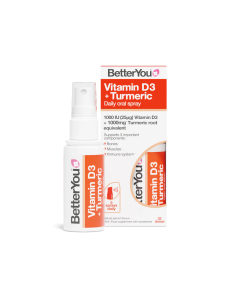
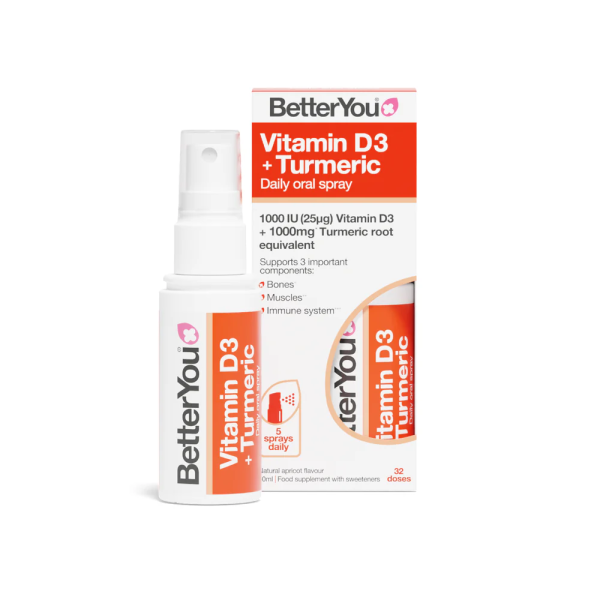
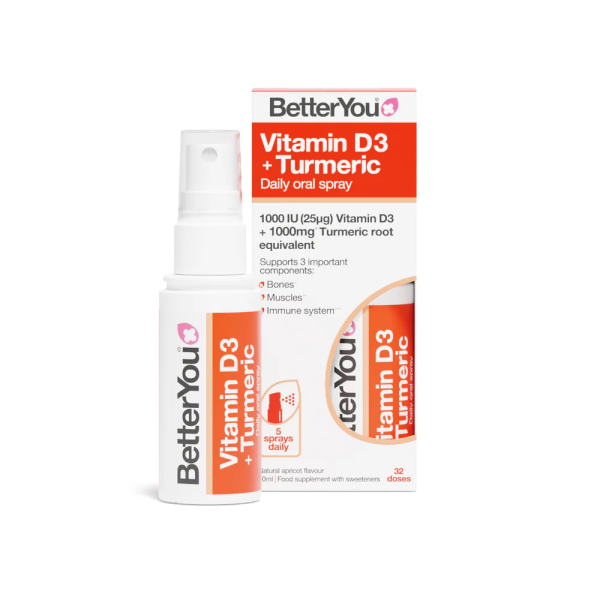
  1. BetterYou Vitamin D3 + Turmeric Oral Spray (50ml)
    BetterYou Vitamin D3 + Turmeric Oral Spray (50ml)
    €27.96
  2. Salus Haus One Essence 67 Elements (250ml)
    Salus Haus One Essence 67 Elements (250ml)
    €16.95
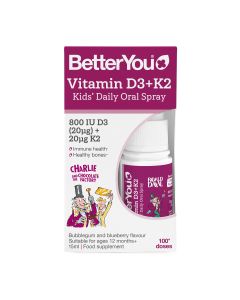
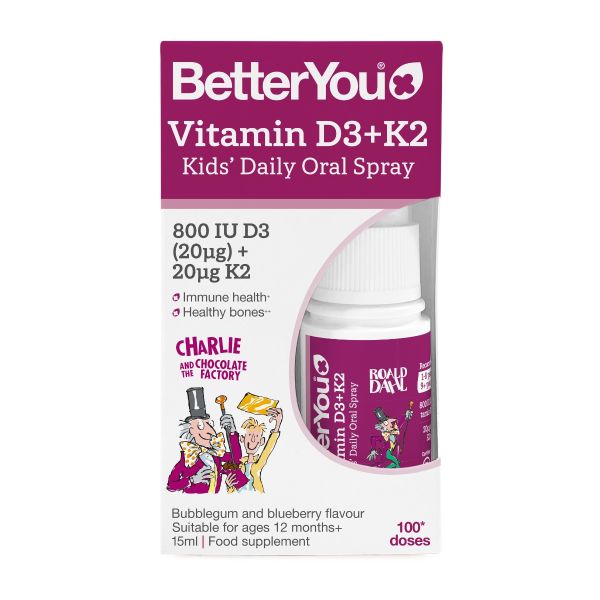
  3. Better You Kids Vitamin D3 + K2 Oral Spray (15ml)
    Better You Kids Vitamin D3 + K2 Oral Spray (15ml)
    €12.95
  4. BioCare Baby & Children's Vitamin D3 15ml
    BioCare Baby & Children's Vitamin D3 15ml
    €15.50
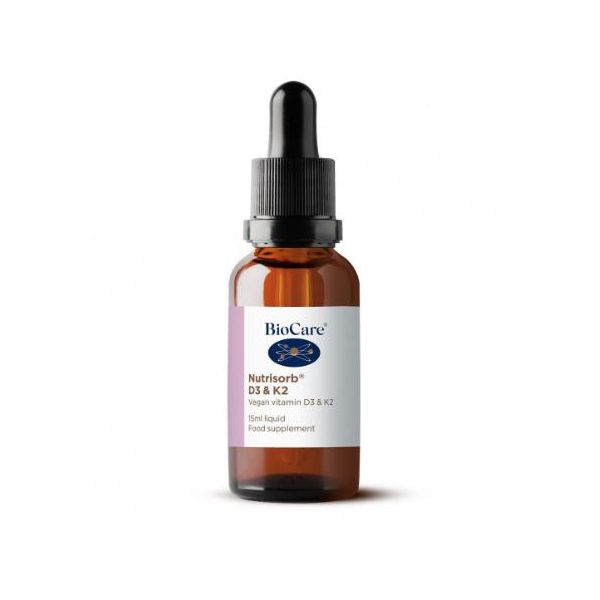
  5. BioCare Nutrisorb D3 & K2 (15ml)
    BioCare Nutrisorb D3 & K2 (15ml)
    €31.50
  6. BioCare Vitamin D3 1000iu (60 Capsules)
    BioCare Vitamin D3 1000iu (60 Capsules)
    €19.50
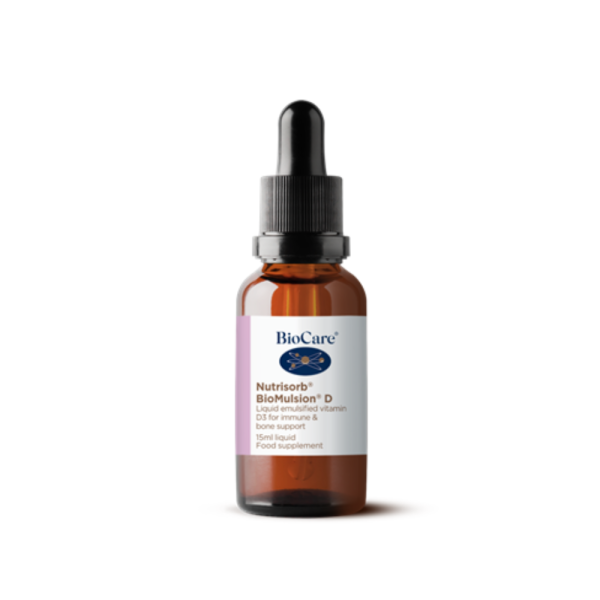
  7. Biocare Nutrisorb BioMulsion D (15ml)
    Biocare Nutrisorb BioMulsion D (15ml)
    €16.95
  8. Better You D3 + K2 Oral Spray (12ml)
    Better You D3 + K2 Oral Spray (12ml)
    €14.51
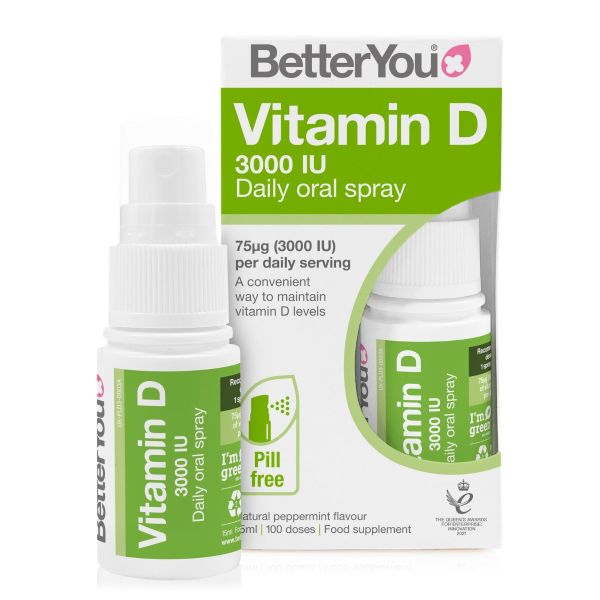
  9. Better You D3000 Oral Spray (15ml)
    Better You D3000 Oral Spray (15ml)
    €12.50
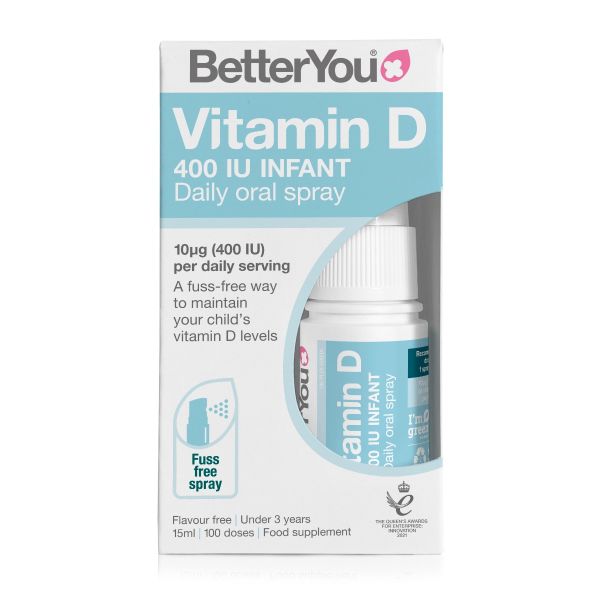
  10. Better You D400 Infant Vitamin D Oral Spray 15ml
    Better You D400 Infant Vitamin D Oral Spray 15ml
    €9.95
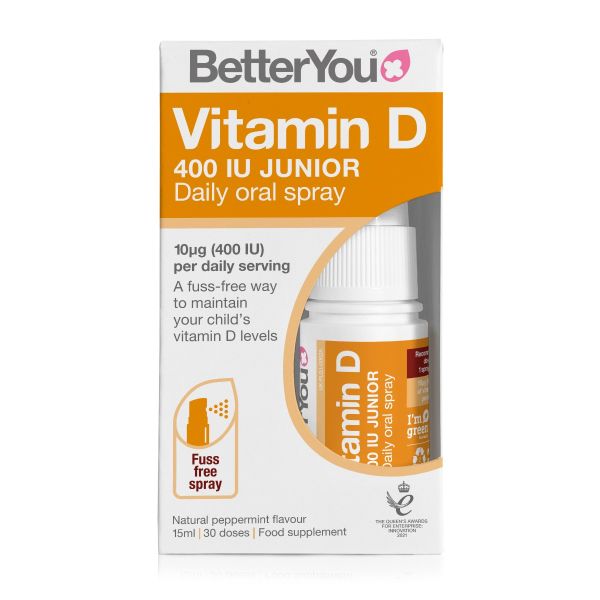
  11. Better You D400 Junior Oral Spray (15ml)
    Better You D400 Junior Oral Spray (15ml)
    €9.95
  12. Lifeplan Vitamin D3 400iu (60 Tablets)
    Lifeplan Vitamin D3 400iu (60 Tablets)
    €7.25
  13. NHP Vitamin D3 Support (30 ml)
    NHP Vitamin D3 Support (30 ml)
    €18.95
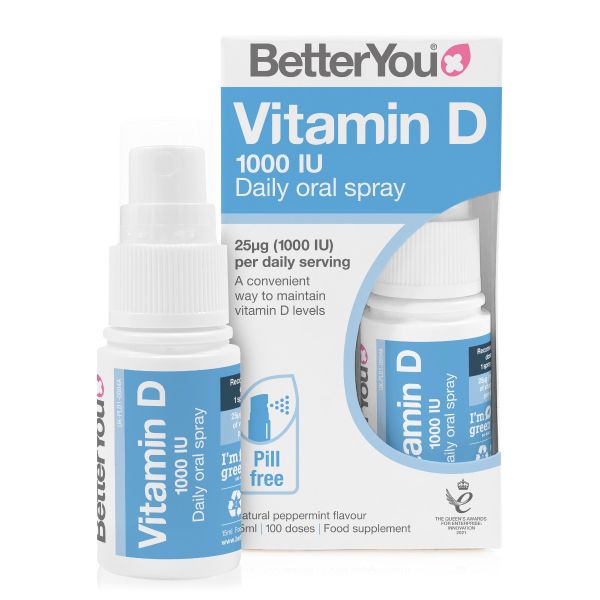
  14. Better You D1000 Vitamin D3 Oral Spray (15ml)
    Better You D1000 Vitamin D3 Oral Spray (15ml)
    €10.50

The Gut-Health Connection: How Your Microbiome Affects Your Well-being


In recent years, health experts have uncovered the link between gut health and overall well-being.

Your gut isn’t just responsible for digestion - it plays a crucial role in immune function, mental health, and even chronic disease prevention.

Understanding the Gut Microbiome

Your gut is home to trillions of bacteria, fungi, and other microorganisms that make up the microbiome. A balanced microbiome helps with digestion, vitamin production, and protection against harmful pathogens. However, when the gut microbiome is out of balance, it can contribute to issues like bloating, inflammation, and even mental health conditions.

The Gut-Brain Axis: A Two-Way Street

Did you know that your gut communicates directly with your brain? This connection, known as the gut-brain axis, explains why gut health can affect mood, anxiety, and cognitive function. The majority of serotonin, a neurotransmitter responsible for happiness and well-being, is produced in the gut.

Signs of an Unhealthy Gut

An imbalance in gut bacteria, known as dysbiosis, can lead to:

  • Digestive problems like bloating, constipation, or diarrhea
  • Food intolerances
  • Frequent infections or weakened immunity
  • Skin issues like acne or eczema
  • Mood swings, anxiety, or depression

How to Improve Gut Health

Supporting your gut means nurturing your microbiome. Here are some key ways to do that:

  1. Eat More Fiber & Fermented Foods
  • Fiber-rich foods like fruits, vegetables, and whole grains nourish beneficial bacteria.
  • Fermented foods like yogurt, kimchi, and sauerkraut introduce probiotics that support gut balance.
  • Limit Processed Foods & Sugar
    • Excess sugar and artificial additives can feed harmful bacteria, disrupting the gut environment.
  • Manage Stress
    • Chronic stress negatively affects gut bacteria. Mindfulness, exercise, and meditation can help.
  • Stay Hydrated
    • Drinking plenty of water aids digestion and helps support gut health.
  • Consider Probiotics & Prebiotics
    • Probiotics introduce beneficial bacteria, while prebiotics (found in foods like garlic, onions, and bananas) feed the beneficial bacteria already in your gut.

    Gut-Friendly Plants to Eat for a Healthy Microbiome

    Eating a variety of plant-based foods is an effective way to support your gut microbiome. Plants provide fibre, antioxidants, and prebiotics that feed beneficial gut bacteria, promoting digestion, immunity, and overall health.

    1. Fiber-Rich Vegetables (Feed Good Bacteria & Support Digestion)
    • Leafy Greens (Spinach, Kale, Swiss Chard) – Rich in fibre, vitamins, and polyphenols that boost gut health.
    • Broccoli & Brussels Sprouts – Contain sulforaphane, a compound that supports gut lining and reduces inflammation.
    • Carrots & Sweet Potatoes – High in beta-carotene and fibre, promoting a healthy gut barrier.
    • Asparagus – A great prebiotic food that feeds beneficial gut bacteria.
    1. Prebiotic-Rich Foods (Nourish Good Bacteria in Your Gut)
    • Garlic & Onions – Contain inulin, a powerful prebiotic fibre that fuels gut-friendly bacteria.
    • Leeks – High in fibre and polyphenols that support gut health.
    • Bananas – Rich in resistant starch, which promotes gut-friendly bacteria growth.
    1. Fermented Vegetables & Foods (Provide Probiotics to Restore Gut Balance)
    • Sauerkraut & Kimchi – Fermented cabbage packed with probiotics.
    • Pickles (naturally fermented) – A great source of gut-friendly bacteria.
    • Miso & Tempeh – Fermented soy products rich in probiotics and protein.
    1. Legumes & Whole Grains (Support Digestive Health & Promote Diversity in Gut Bacteria)
    • Lentils & Chickpeas – High in fibre, which helps regulate digestion and promotes a healthy microbiome.
    • Oats – A great source of beta-glucan, a fibre that feeds good gut bacteria.
    • Quinoa & Brown Rice – Whole grains that provide resistant starch, promoting gut health.
    1. Gut-Healing Herbs & Spices (Reduce Inflammation & Support Digestion)
    • Ginger – Soothes digestion, reduces bloating, and supports gut motility.
    • Turmeric – Contains curcumin, a powerful anti-inflammatory compound.
    • Cinnamon – Helps regulate blood sugar and supports gut microbiota balance.
    1. Nuts & Seeds (Provide Healthy Fats & Fibre for a Healthy Gut Lining)
    • Chia Seeds & Flaxseeds – High in omega-3s and fibre to support digestion.
    • Almonds & Walnuts – Contain polyphenols and prebiotic fibre that nourish gut bacteria.

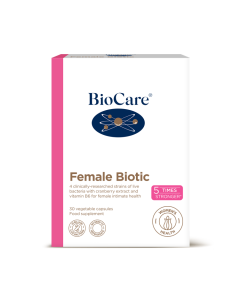
    1. BioCare Female Biotic (30 Capsules)
      BioCare Female Biotic (30 Capsules)
      €42.49
    2. BioCare Bio-Acidophilus Powder 20 Billion Probiotic (60g)
      BioCare Bio-Acidophilus Powder 20 Billion Probiotic (60g)
      €42.95
    3. BioCare BioAcidophilus Forte 30 Billion Probiotic (60 Capsules)
      BioCare BioAcidophilus Forte 30 Billion Probiotic (60 Capsules)
      €94.95
    4. BioCare BioAcidophilus Forte 30 Billion Probiotic(30 Capsules)
      BioCare BioAcidophilus Forte 30 Billion Probiotic(30 Capsules)
      €53.95
    5. BioCare Children's Mindlinx Powder (60g)
      BioCare Children's Mindlinx Powder (60g)
      €47.95
    6. BioCare Bio-Acidophilus 20 Billion Probiotic (60 Capsules)
      BioCare Bio-Acidophilus 20 Billion Probiotic (60 Capsules)
      €37.95
    7. BioCare Children's Banana BioAcidophilus  (60g)
      BioCare Children's Banana BioAcidophilus (60g)
      €27.96
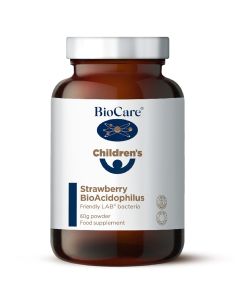
    8. BioCare Children's Strawberry BioAcidophilus  (60g)
      BioCare Children's Strawberry BioAcidophilus (60g)
      €29.50
    9. BioCare Children's Red Berry BioMelts (28 Sachets)
      BioCare Children's Red Berry BioMelts (28 Sachets)
      €28.95
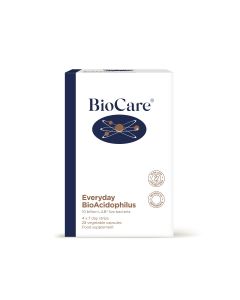
    10. BioCare Everyday BioAcidophilus (28 Capsules)
      BioCare Everyday BioAcidophilus (28 Capsules)
      €22.50

    Your Heart Health: Essential Supplements


    In addition to a healthy diet and lifestyle, certain heart-healthy supplements may offer benefits to support cardiovascular health.

    Here are some supplements that are commonly recommended for heart health:

    1. Omega-3 Fatty Acids (Fish Oil or Algal Oil)

    • Benefits: Omega-3s, particularly EPA and DHA, have been shown to reduce inflammation, lower triglyceride levels, and improve heart health. They may also help lower blood pressure.
    • Sources: Fish oil, algae-based supplements (for vegetarians), flaxseed, chia seeds, and walnuts.

    2. Coenzyme Q10 (CoQ10)

    • Benefits: CoQ10 is an antioxidant that helps with energy production in cells and may improve blood vessel health, reduce oxidative stress, and support heart function. It is especially beneficial for individuals taking statin medications, as statins can deplete CoQ10 levels.
    • Sources: CoQ10 is naturally produced by the body, but supplementation can be helpful, particularly in older adults as CoQ10 levels can naturally decline with age.

    3. Magnesium

    • Benefits: Magnesium plays a crucial role in maintaining healthy blood pressure, regulating heart rhythm, and supporting proper muscle function, including the heart. Studies have suggested that magnesium deficiency is linked to an increased risk of coronary artery calcification (buildup of calcium in the arteries).
    • Sources: Magnesium-rich foods like leafy greens, almonds, and bananas, or magnesium supplements.

    4. Vitamin D

    • Benefits: Some studies have found a link between low levels of vitamin D and an increased risk of heart disease, hypertension, and diabetes.
    • Sources: Fatty Fish, eggs, fortified foods, exposure to sunlight. If you have difficulty getting enough vitamin D from sun exposure or food, supplements can be an effective option.

    5. Garlic Extract

    • Benefits: Garlic has been shown to reduce blood pressure, lower cholesterol levels, and improve overall cardiovascular health. It also has anti-inflammatory and antioxidant properties that support heart function.
    • Sources: Garlic supplements or raw garlic in food.

    6. Plant Sterols

    • Benefits: Plant sterols (also known as phytosterols) are naturally occurring compounds found in plants that have a structure similar to cholesterol. Because of this similarity, plant sterols can help reduce cholesterol levels by blocking the absorption of cholesterol in the intestines.
    • Sources: Supplements or foods like vegetables and fruits, vegetable oils, nuts, cereals, and seeds

    7. Fiber (Psyllium, Glucomannan, or Flaxseed)

    • Benefits: Soluble fiber helps lower LDL cholesterol and promotes heart health by reducing blood sugar and triglyceride levels. It also aids in maintaining a healthy weight and supports healthy digestion.
    • Sources: Psyllium husk, glucomannan (from konjac root), or ground flaxseed.

    8. Hawthorn Berry

    • Benefits: Hawthorn is a herb traditionally used to support heart health. Hawthorn has been shown to have a blood pressure-lowering effect in some studies.
    • Sources: Hawthorn berry extract or teas.

    9. L-Carnitine

    • Benefits: L-carnitine helps convert fat into energy and may improve exercise performance, blood flow, and lipid profile. It has been studied for its potential benefits in heart disease.
    • Sources: L-carnitine supplements, or foods like red meat, poultry and dairy.

    10. Turmeric (Curcumin)

    • Benefits: Curcumin, the active compound in turmeric, has potent anti-inflammatory and antioxidant effects. It may help reduce inflammation and improve heart health by lowering cholesterol levels, improving endothelial function, and supporting blood pressure regulation.
    • Sources: Curcumin supplements or turmeric root (when used in cooking, absorption may be enhanced with black pepper).

    Important Considerations:

    • Quality: Not all supplements are created equal. Choose high-quality supplements from reputable brands to ensure purity and potency.
    • Dosage: Always follow recommended dosages, as excessive intake of certain supplements can have adverse effects.
    • Consultation: If you have pre-existing conditions or are on medications (especially blood thinners, blood pressure meds, or statins), always talk to your healthcare provider before starting new supplements to avoid interactions.

    While these supplements can complement a heart-healthy lifestyle, they should not replace good nutrition, exercise, and other heart-healthy habits. It’s important to consult with a healthcare provider before adding supplements to your routine, as they can interact with medications or conditions.


    1. Lifeplan Omega 3 Fish Oil 1000mg (90cps)
      Lifeplan Omega 3 Fish Oil 1000mg (90cps)
      €16.50
    2. BioCare Vegan Omega 3 (60 Caps)
      BioCare Vegan Omega 3 (60 Caps)
      €39.50
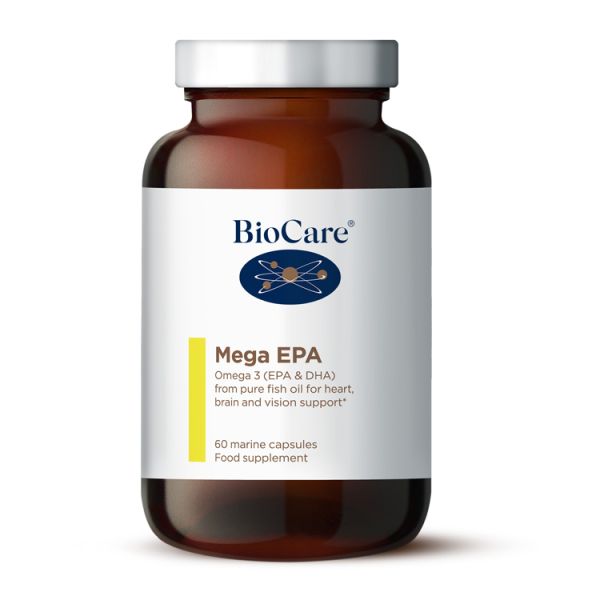
    3. BioCare Mega EPA (60 Capsules)
      BioCare Mega EPA (60 Capsules)
      €26.36 €32.95
      _
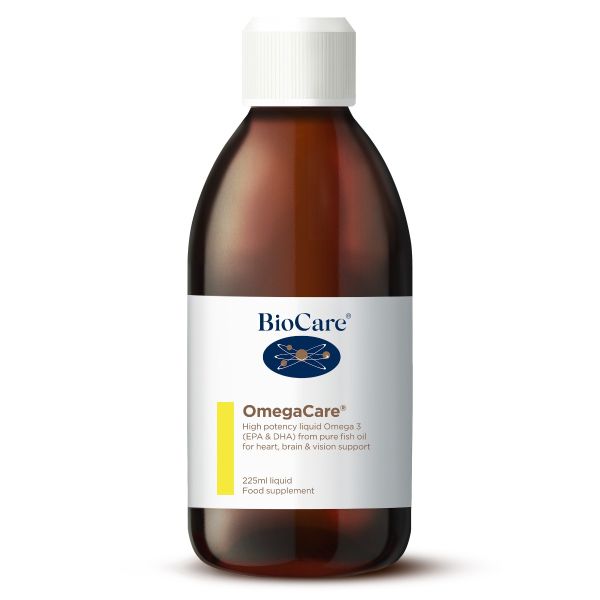
    4. Biocare OmegaCare (225ml)
      Biocare OmegaCare (225ml)
      €52.95
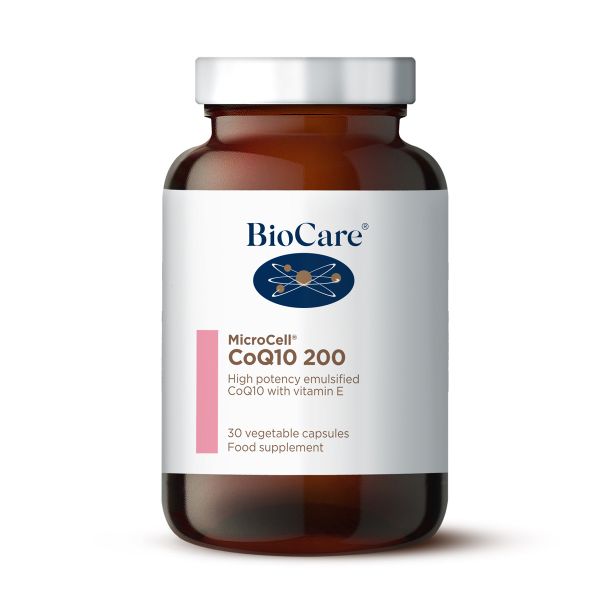
    5. BioCare MicroCell CoQ10 200 (30 Capsules)
      BioCare MicroCell CoQ10 200 (30 Capsules)
      €62.50
    6. Biocare Evening Primrose Oil (30 Capsules)
      Biocare Evening Primrose Oil (30 Capsules)
      €12.95
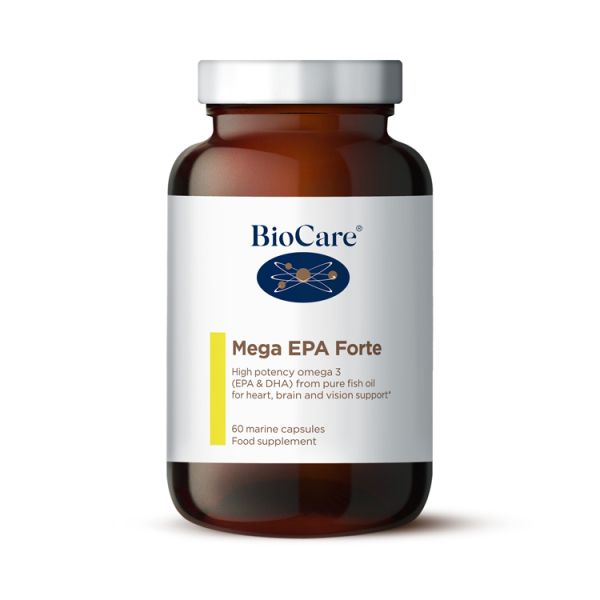
    7. BioCare Mega EPA Forte (60 Capsules)
      BioCare Mega EPA Forte (60 Capsules)
      €42.95
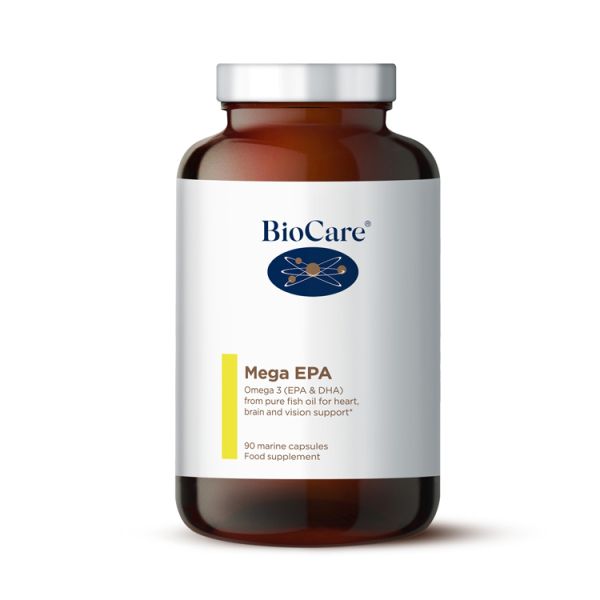
    8. BioCare Mega EPA (90 Capsules)
      BioCare Mega EPA (90 Capsules)
      €43.50
    9. BioCare Mega EPA (60 Capsules)
      BioCare Mega EPA (60 Capsules)
      €32.95
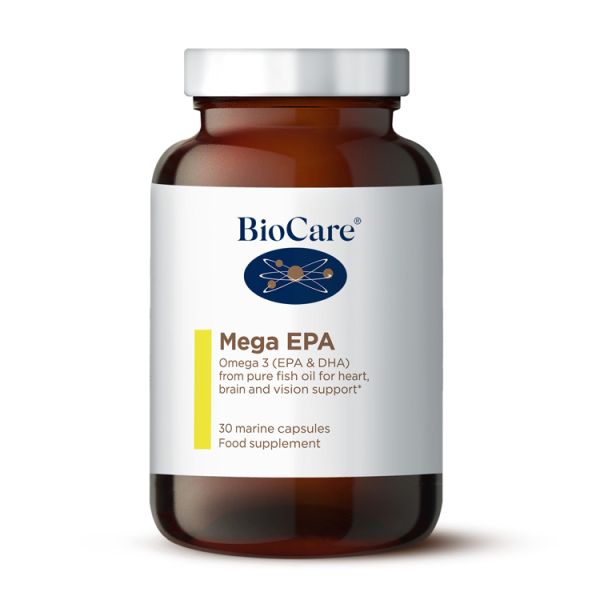
    10. BioCare Mega EPA (30 Capsules)
      BioCare Mega EPA (30 Capsules)
      €18.50
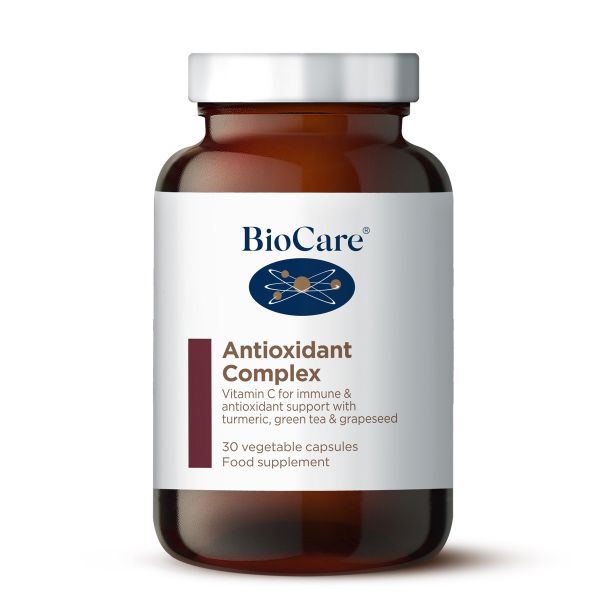
    11. Biocare Antioxidant Complex (30 Capsules)
      Biocare Antioxidant Complex (30 Capsules)
      €37.50
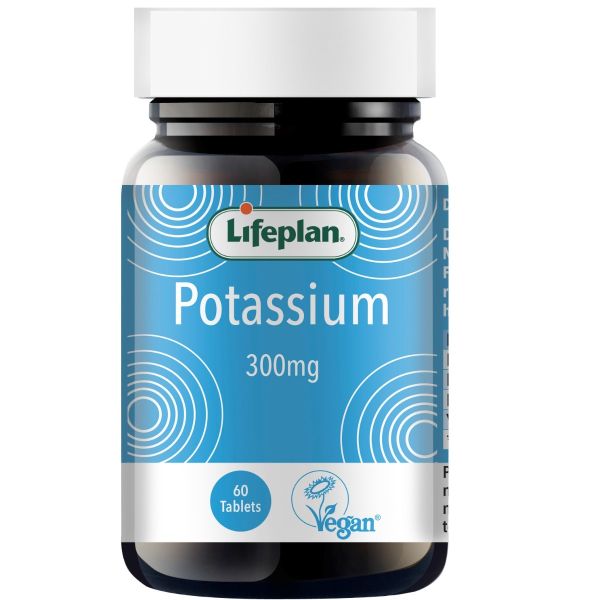
    12. Lifeplan Potassium 300mg (60 Tablets)
      Lifeplan Potassium 300mg (60 Tablets)
      €11.50

    Items 1 to 12 of 14 total

    Page