Your Heart Health: Essential Supplements

- Jan 30, 2025
- Posted by:
In addition to a healthy diet and lifestyle, certain heart-healthy supplements may offer benefits to support cardiovascular health.
Here are some supplements that are commonly recommended for heart health:
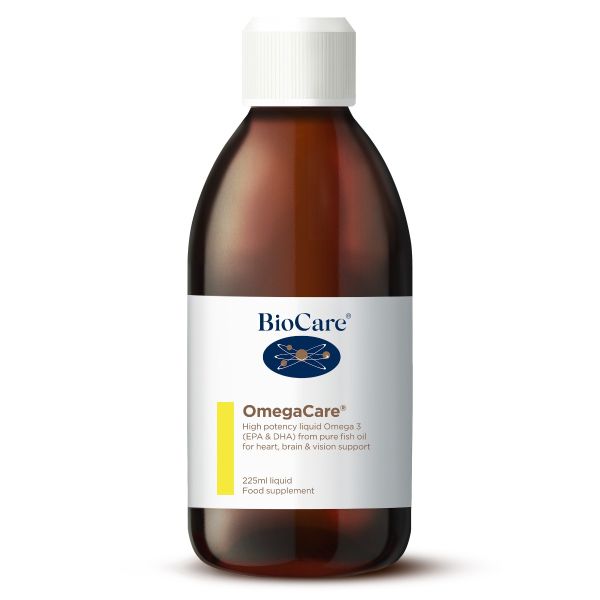
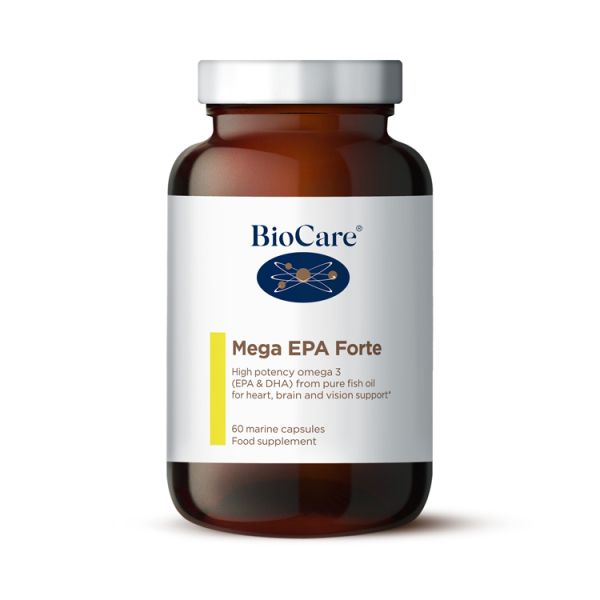
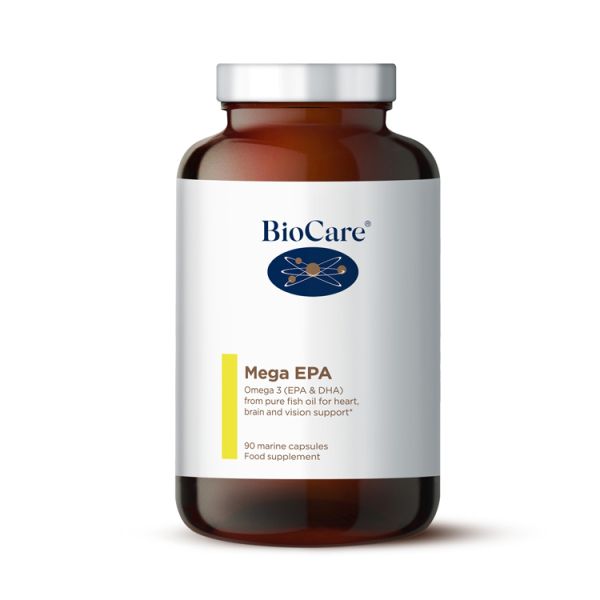
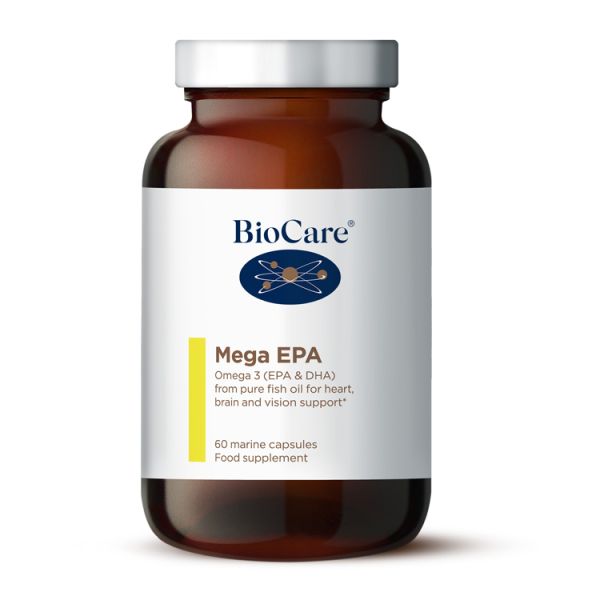
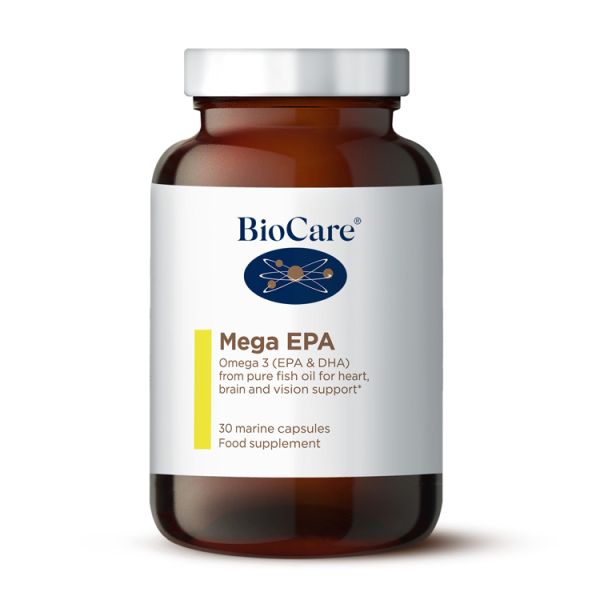
1. Omega-3 Fatty Acids (Fish Oil or Algal Oil)
- Benefits: Omega-3s, particularly EPA and DHA, have been shown to reduce inflammation, lower triglyceride levels, and improve heart health. They may also help lower blood pressure.
- Sources: Fish oil, algae-based supplements (for vegetarians), flaxseed, chia seeds, and walnuts.
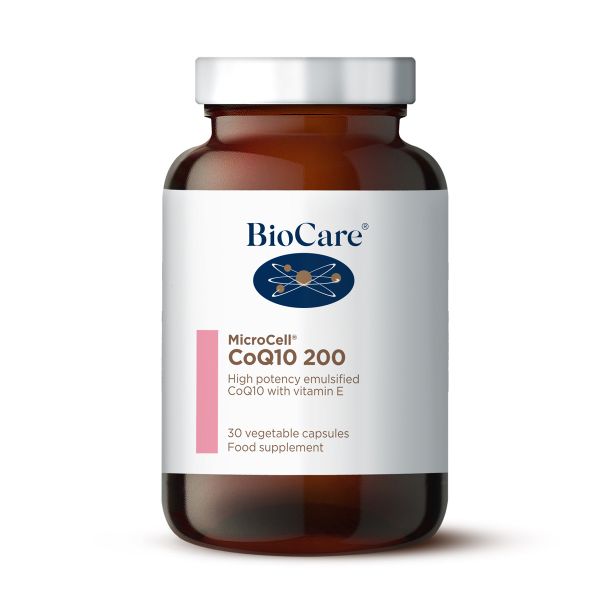
2. Coenzyme Q10 (CoQ10)
- Benefits: CoQ10 is an antioxidant that helps with energy production in cells and may improve blood vessel health, reduce oxidative stress, and support heart function. It is especially beneficial for individuals taking statin medications, as statins can deplete CoQ10 levels.
- Sources: CoQ10 is naturally produced by the body, but supplementation can be helpful, particularly in older adults as CoQ10 levels can naturally decline with age.
3. Magnesium
- Benefits: Magnesium plays a crucial role in maintaining healthy blood pressure, regulating heart rhythm, and supporting proper muscle function, including the heart. Studies have suggested that magnesium deficiency is linked to an increased risk of coronary artery calcification (buildup of calcium in the arteries).
- Sources: Magnesium-rich foods like leafy greens, almonds, and bananas, or magnesium supplements.
4. Vitamin D
- Benefits: Some studies have found a link between low levels of vitamin D and an increased risk of heart disease, hypertension, and diabetes.
- Sources: Fatty Fish, eggs, fortified foods, exposure to sunlight. If you have difficulty getting enough vitamin D from sun exposure or food, supplements can be an effective option.
5. Garlic Extract
- Benefits: Garlic has been shown to reduce blood pressure, lower cholesterol levels, and improve overall cardiovascular health. It also has anti-inflammatory and antioxidant properties that support heart function.
- Sources: Garlic supplements or raw garlic in food.
6. Plant Sterols
- Benefits: Plant sterols (also known as phytosterols) are naturally occurring compounds found in plants that have a structure similar to cholesterol. Because of this similarity, plant sterols can help reduce cholesterol levels by blocking the absorption of cholesterol in the intestines.
- Sources: Supplements or foods like vegetables and fruits, vegetable oils, nuts, cereals, and seeds
7. Fiber (Psyllium, Glucomannan, or Flaxseed)
- Benefits: Soluble fiber helps lower LDL cholesterol and promotes heart health by reducing blood sugar and triglyceride levels. It also aids in maintaining a healthy weight and supports healthy digestion.
- Sources: Psyllium husk, glucomannan (from konjac root), or ground flaxseed.
8. Hawthorn Berry
- Benefits: Hawthorn is a herb traditionally used to support heart health. Hawthorn has been shown to have a blood pressure-lowering effect in some studies.
- Sources: Hawthorn berry extract or teas.
9. L-Carnitine
- Benefits: L-carnitine helps convert fat into energy and may improve exercise performance, blood flow, and lipid profile. It has been studied for its potential benefits in heart disease.
- Sources: L-carnitine supplements, or foods like red meat, poultry and dairy.
10. Turmeric (Curcumin)
- Benefits: Curcumin, the active compound in turmeric, has potent anti-inflammatory and antioxidant effects. It may help reduce inflammation and improve heart health by lowering cholesterol levels, improving endothelial function, and supporting blood pressure regulation.
- Sources: Curcumin supplements or turmeric root (when used in cooking, absorption may be enhanced with black pepper).
Important Considerations:
- Quality: Not all supplements are created equal. Choose high-quality supplements from reputable brands to ensure purity and potency.
- Dosage: Always follow recommended dosages, as excessive intake of certain supplements can have adverse effects.
- Consultation: If you have pre-existing conditions or are on medications (especially blood thinners, blood pressure meds, or statins), always talk to your healthcare provider before starting new supplements to avoid interactions.
While these supplements can complement a heart-healthy lifestyle, they should not replace good nutrition, exercise, and other heart-healthy habits. It’s important to consult with a healthcare provider before adding supplements to your routine, as they can interact with medications or conditions.