Health Industry Topics

One Oil, Endless Benefits: Why Rosehip Oil Shines in Autumn

As the seasons change, it's not unusual to notice changes in your skin. Cooler temperatures, central heating, wind exposure, and lower humidity can all contribute to skin that feels drier, tighter, or less radiant than it did during summer.

This seasonal transition is often a good time to reassess your skincare routine and focus on products that help maintain hydration and support the skin barrier. One ingredient that continues to earn its place in many skincare routines is rosehip oil.

How Autumn Affects Your Skin

During the summer months, skin is exposed to increased UV rays, heat, and outdoor elements. As temperatures drop, environmental conditions begin to shift.

Common seasonal skin concerns may include:

  • Dryness and dehydration
  • Skin feeling tight or uncomfortable
  • A dull or lacklustre complexion
  • Increased sensitivity to weather changes
  • Changes in skin texture

Adapting your skincare routine to suit the season can help maintain healthy-looking, comfortable skin throughout autumn and winter.

What Is Rosehip Oil?

Rosehip oil is extracted from the seeds of the rose plant and is valued for its naturally occurring essential fatty acids and antioxidants.

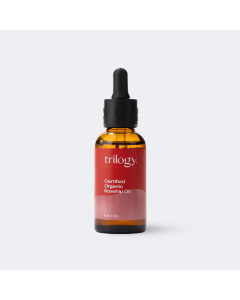
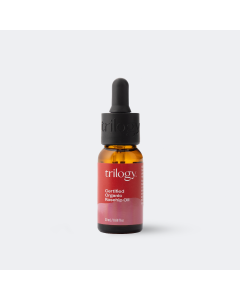
Trilogy's Certified Organic Rosehip Oil has become one of the brand's most recognised products, loved by skincare enthusiasts worldwide for its simplicity and versatility.

Lightweight and easily absorbed, it can be incorporated into both morning and evening skincare routines.

Supporting Hydration and the Skin Barrier

One of the key reasons people reach for facial oils during autumn is to help reduce moisture loss and support skin hydration.

Rosehip oil contains essential fatty acids that help nourish the skin and complement your moisturiser by locking in hydration. For many people, this can be particularly beneficial during colder months when environmental factors can leave skin feeling dry.

When applied regularly as part of a balanced skincare routine, rosehip oil can help leave skin feeling softer and looking more supple.

Bringing Back Radiance

As summer fades, it's common for skin to appear dull due to seasonal changes, reduced humidity, and lifestyle factors.

Many people incorporate rosehip oil into their routine to enhance their skin's natural glow and improve the appearance of tired-looking skin. Its lightweight texture means it layers easily with serums, moisturisers, and other skincare products without feeling heavy.

Creating a Simple Autumn Skincare Routine

Autumn is often a good time to simplify your skincare routine and focus on consistent daily care.

A simple routine might include:

Morning

  1. Gentle cleanser
  2. Hydrating serum
  3. Moisturiser
  4. SPF protection

Evening

  1. Cleanser
  2. Trilogy Certified Organic Rosehip Oil
  3. Nourishing night cream

The goal isn't to use more products, but to choose products that help your skin feel comfortable and hydrated as seasons change.

Why Trilogy Rosehip Oil Remains a Favourite

Extracted from organically grown, hand-picked rosehips and gently cold-pressed to preserve its natural goodness, this nutrient-rich oil is packed with essential fatty acids that help nourish and support healthy-looking skin. Every batch is rigorously tested to ensure a minimum of 80% Omega 3, 6 and 9, delivering the consistent quality and performance Trilogy is known for.

A single ingredient, certified organic powerhouse with multi-purpose appeal, Trilogy Rosehip Oil continues to be a staple in skincare collections around the world.

Plus it’s clinically proven to reduce the appearance of:

·         Scars by 41%*

·         Stretchmarks by 43%​*

·         Fine lines & wrinkles by 23%^


It can be used to support healthy-looking skin, soften dry cuticles, condition nails, tame frizz, add shine to hair, and care for dry areas of the body. Its lightweight texture makes it an easy multipurpose addition to any beauty routine, delivering natural nourishment wherever it is needed most.


Whether you're looking to refresh your routine for autumn or simply introduce a facial oil for the first time, rosehip oil offers a straightforward way to support healthy-looking skin throughout the season.

*Results obtained by expert clinician's assessment. Twice daily use on 10 women over 12 weeks. ^Results obtained by measured study and expert clinician's assessment. Twice daily use on 20 women over 8 weeks. Independent clinical studies. Individual results may vary.

SHOP ROSEHIP OIL

  1. Trilogy Rosehip+ Hand Butter (75ml)
    Trilogy Rosehip+ Hand Butter (75ml)
    €16.95
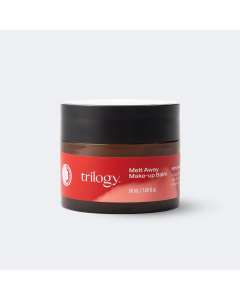
  2. Trilogy Melt Away Make-Up Balm (50g)
    Trilogy Melt Away Make-Up Balm (50g)
    €22.95
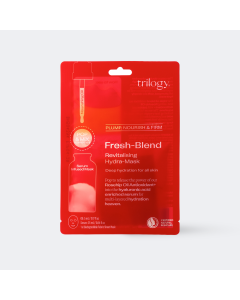
  3. Trilogy Fresh Blend Revitalising Hydra Mask
    Trilogy Fresh Blend Revitalising Hydra Mask
    €5.56 €6.95
    _
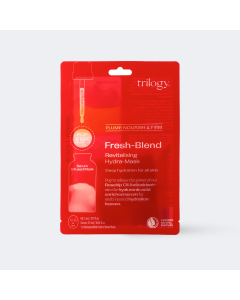
  4. Trilogy Fresh Blend Revitalising Hydra Mask
    Trilogy Fresh Blend Revitalising Hydra Mask
    €6.95
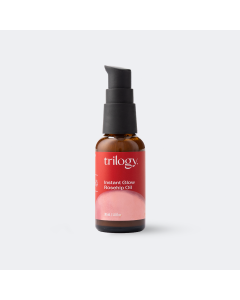
  5. Trilogy Instant Glow Rosehip Oil (30ml)
    Trilogy Instant Glow Rosehip Oil (30ml)
    €34.94
  6. Trilogy Organic Rosehip Oil Pump (10ml)
    Trilogy Organic Rosehip Oil Pump (10ml)
    €14.94
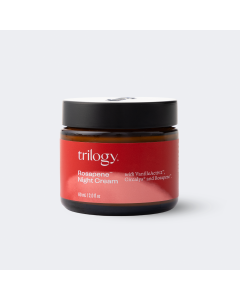
  7. Trilogy Rosapene Night Cream (60ml)
    Trilogy Rosapene Night Cream (60ml)
    €38.95
  8. Trilogy Rosehip Transformation Cleansing Oil (100ml)
    Trilogy Rosehip Transformation Cleansing Oil (100ml)
    €26.95
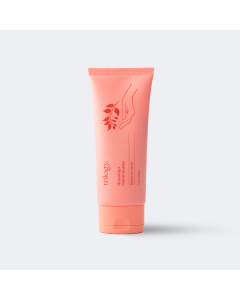
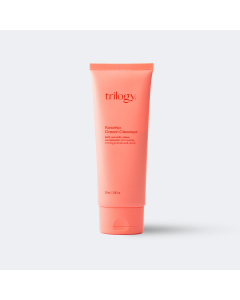
  9. Trilogy Rosehip Cream Cleanser (100ml)
    Trilogy Rosehip Cream Cleanser (100ml)
    €20.50
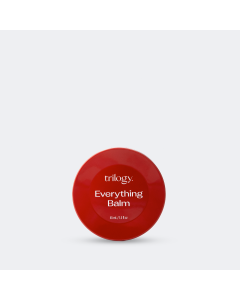
  10. Trilogy Everything Balm (45ml)
    Trilogy Everything Balm (45ml)
    €20.50
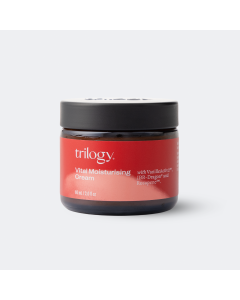
  11. Trilogy Vital Moisturising Cream (60g jar)
    Trilogy Vital Moisturising Cream (60g jar)
    €35.50
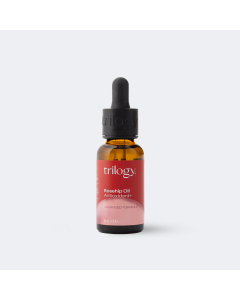
  12. Trilogy Rosehip Oil Antioxidant + (30ml)
    Trilogy Rosehip Oil Antioxidant + (30ml)
    €34.94
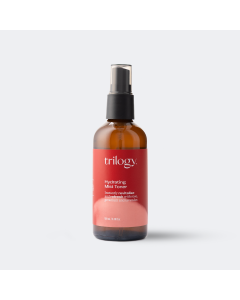
  13. Trilogy Hydrating Mist Toner (100ml)
    Trilogy Hydrating Mist Toner (100ml)
    €23.95
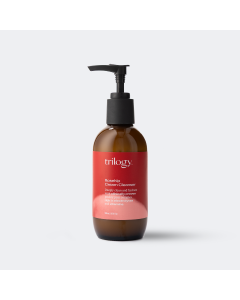
  14. Trilogy Rosehip Cream Cleanser (200ml)
    Trilogy Rosehip Cream Cleanser (200ml)
    €31.50
  15. Trilogy Organic Rosehip Oil (45ml)
    Trilogy Organic Rosehip Oil (45ml)
    €39.95
  16. Trilogy Organic Rosehip Oil (20ml)
    Trilogy Organic Rosehip Oil (20ml)
    €22.95
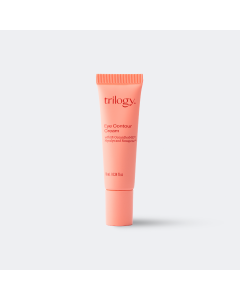
  17. Trilogy Eye Contour Cream (10ml)
    Trilogy Eye Contour Cream (10ml)
    €28.95

The Gut Health Connection


When we think about supporting our health during autumn and winter, we often focus on vitamins, exercise, and getting enough sleep. But one area that is increasingly recognised for its role in overall wellbeing is gut health.

Your gut is home to trillions of microorganisms, collectively known as the gut microbiome. These microorganisms help with digestion, nutrient absorption, and interact closely with the body's immune system. As researchers continue to explore this relationship, it's becoming clear that maintaining a healthy gut is an important part of supporting overall health.

Understanding the Gut-Immune Connection

A large proportion of the body's immune cells are located within the digestive tract. This allows the immune system to constantly monitor what enters the body through food and drink while interacting with the vast community of microorganisms that live in the gut.

The digestive system acts as a protective barrier, helping the body absorb nutrients while supporting normal immune functions. Scientists believe that ongoing communication between gut microbes and immune cells plays an important role in maintaining this balance.

While gut health isn't the only factor that influences immunity, it is one piece of the wider wellbeing picture.

More Than Digestion: The Gut-Brain Connection

The gut doesn't just communicate with the immune system. It also has a close relationship with the brain through what's often called the gut-brain axis.

Many people have experienced "butterflies" before a stressful event or noticed digestive changes during periods of stress. This is because the gut and brain are constantly sending signals to one another.

Although research is ongoing, this connection highlights how digestive health may influence overall wellbeing and why looking after your gut can support a healthy lifestyle.

Why Gut Health Matters During Autumn and Winter

Seasonal changes can affect the habits that contribute to digestive wellbeing. Colder weather often brings changes to our diet, activity levels, sleep patterns, and daily routines.

During the autumn and winter months, many people:

  • Eat fewer fresh fruits and vegetables
  • Become less physically active
  • Experience higher stress levels
  • Spend more time indoors
  • Rely more heavily on convenience or comfort foods

These lifestyle changes can impact digestive health, making it a good time to focus on habits that support a balanced gut microbiome.

Supporting Your Gut Naturally

One of the best ways to support gut health is to eat a varied diet rich in plant foods and fibre. Fibre helps nourish beneficial gut bacteria and supports normal digestive function.

Including foods such as whole grains, fruits, vegetables, legumes, nuts, and seeds can help increase fibre intake and encourage greater diversity within the gut microbiome.

Fermented foods such as live yoghurt, kefir, kimchi, and sauerkraut can also form part of a balanced diet and provide naturally occurring microorganisms.

Understanding Probiotics and Prebiotics

You may have heard the terms probiotics and prebiotics, but they serve different purposes.

Probiotics are live microorganisms found in certain foods and supplements.

Prebiotics are types of fibre that act as food for beneficial gut bacteria.

Together, they can help support a healthy and balanced gut environment as part of an overall healthy lifestyle.

Everyday Habits for Better Gut Health

Alongside nutrition, several lifestyle habits can support digestive wellbeing:

  • Eat a varied, balanced diet
  • Stay physically active
  • Drink enough water
  • Prioritise quality sleep
  • Manage stress

Some people choose to include probiotic or prebiotic supplements as part of their wellness routine.

Gut health is about far more than digestion. The digestive system is closely connected to immune function, nutrient absorption, and other aspects of overall wellbeing. By supporting your gut through a balanced diet and healthy lifestyle habits, you can help create a strong foundation for health throughout the colder months.


Ready to support your digestive wellbeing? Explore our range of gut health solutions.

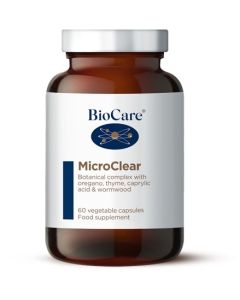
  1. BioCare MicroClear 60 Capsules
    BioCare MicroClear 60 Capsules
    €44.50
  2. NHP Advanced Probiotic Support (60 Capsules)
    NHP Advanced Probiotic Support (60 Capsules)
    €33.20 €41.50
    _
  3. NHP IB Support (60 Capsules)
    NHP IB Support (60 Capsules)
    €26.36 €32.95
    _
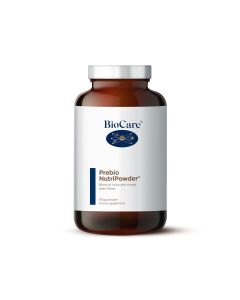
  4. Prebio Nutripowder 165g
    Prebio Nutripowder 165g
    €51.49
  5. Patrick Holford Get Up & Go with Carboslow (300g)
    Patrick Holford Get Up & Go with Carboslow (300g)
    €47.95
  6. Biocare Vegan Betaine HCL & Pepsin (90cps)
    Biocare Vegan Betaine HCL & Pepsin (90cps)
    €29.50
  7. BioCare Slippery Elm Intensive (90g)
    BioCare Slippery Elm Intensive (90g)
    €48.95
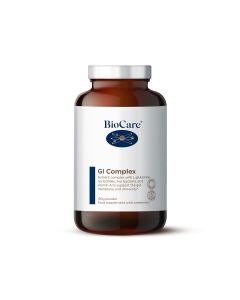
  8. Biocare GI Complex (150g)
    Biocare GI Complex (150g)
    €49.95
  9. Psyllium Intensive 100g
    Psyllium Intensive 100g
    €19.95
  10. Biocare Spectrumzyme (90 Capsules)
    Biocare Spectrumzyme (90 Capsules)
    €44.50
  11. BioCare Bio-Acidophilus Powder 20 Billion Probiotic (60g)
    BioCare Bio-Acidophilus Powder 20 Billion Probiotic (60g)
    €42.95
  12. Biocare Polyzyme (90 Capsules)
    Biocare Polyzyme (90 Capsules)
    €48.95
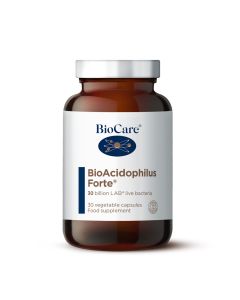
  13. BioCare BioAcidophilus Forte 30 Billion Probiotic (60 Capsules)
    BioCare BioAcidophilus Forte 30 Billion Probiotic (60 Capsules)
    €94.95
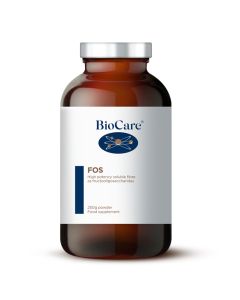
  14. Biocare FOS (250g)
    Biocare FOS (250g)
    €15.75
  15. BioCare BioAcidophilus Forte 30 Billion Probiotic(30 Capsules)
    BioCare BioAcidophilus Forte 30 Billion Probiotic(30 Capsules)
    €53.95
  16. Biocare Polyzyme (30 Capsules)
    Biocare Polyzyme (30 Capsules)
    €20.50
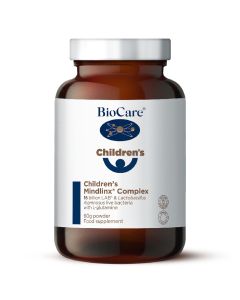
  17. BioCare Children's Mindlinx Powder (60g)
    BioCare Children's Mindlinx Powder (60g)
    €47.95
  18. Biocare Glutenzyme Plus (30 Capsules)
    Biocare Glutenzyme Plus (30 Capsules)
    €17.94

18 Item(s)


Better Sleep Starts With Your Evening Routine


As summer draws to a close, September brings a natural opportunity to reset. School runs return, work schedules become busier and daily routines start to take shape again. While many of us focus on getting organised, eating well or exercising more, one area that is often overlooked is sleep.

Quality sleep plays an important role in our overall wellbeing, and creating healthy evening habits can help us make the most of our rest. Rather than searching for a quick fix, good sleep often starts with consistent routines and small lifestyle changes that support relaxation.

Why your bedtime routine matters

Our bodies thrive on routine. Going to bed and waking up at similar times each day helps establish a regular sleep pattern and signals to the body when it is time to wind down.

A predictable evening routine can also provide a sense of calm after a busy day. Whether it's reading a book, having a warm bath or practising mindfulness, repeating the same relaxing activities each evening can help create a clear transition between the demands of the day and the restfulness of the night.

The importance of winding down

Modern life keeps us constantly connected. Emails, social media and streaming services can make it difficult to switch off when bedtime arrives.

Creating a period of calm before bed can help support relaxation. Consider setting aside 30 to 60 minutes before sleep to step away from screens, reduce stimulation and focus on activities that help you unwind.

Simple habits such as dimming the lights, listening to calming music or enjoying a relaxing shower can make a meaningful difference to your evening routine.

The nervous system and relaxation

The nervous system plays a vital role in how we respond to the demands of everyday life. During busy periods, it can be challenging to move from a state of alertness into one of relaxation.

Supporting normal nervous system function is therefore an important part of overall wellbeing and can contribute to a balanced approach to daily life. Alongside healthy sleep habits, ensuring adequate intake of key nutrients may help support these normal functions.

Magnesium: An Essential Mineral

Magnesium is an essential mineral involved in hundreds of processes throughout the body.

It contributes to:

✔ Normal functioning of the nervous system

✔ Normal muscle function

✔ Reduction of tiredness and fatigue

✔ Normal energy-yielding metabolism

Because of these important roles, magnesium is a popular choice for those looking to support their overall wellbeing as part of a healthy lifestyle.

How BetterYou Magnesium fits with your bedtime routine

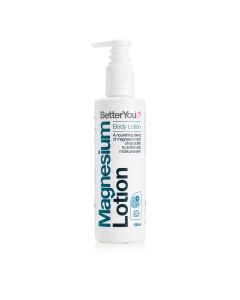
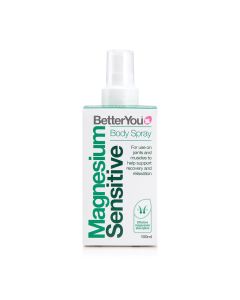
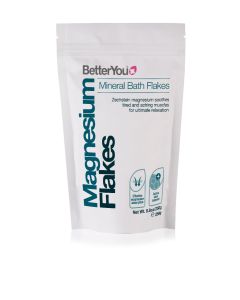
BetterYou Magnesium products offer a convenient way to incorporate magnesium into your daily wellness routine.

Whether used as part of your evening self-care or included in your broader wellbeing plan, BetterYou Magnesium products can complement other healthy sleep-supporting habits such as maintaining a consistent bedtime, creating a relaxing environment and prioritising time to unwind.

Combined with a balanced diet and healthy lifestyle, magnesium can form part of a practical approach to supporting everyday wellbeing.

Practical Evening Habits for Better Sleep

Good sleep is rarely about one magic ingredient. Instead, it is often the result of consistent habits that help create the right conditions for rest.

Try incorporating these simple changes into your evening:

  • Reduce screen time before bed
  • Keep your bedroom cool, comfortable and dark
  • Avoid caffeine later in the day
  • Maintain a regular bedtime where possible
  • Create a relaxing pre-bed ritual that helps you unwind
  • Make time for quiet activities such as reading or gentle stretching

Small Habits, Big Difference

As routines settle back into place this September, consider making sleep a priority. Building a consistent evening routine, creating a calm environment and supporting your wellbeing with nutrients such as magnesium can help lay the foundations for a healthier, more balanced lifestyle.

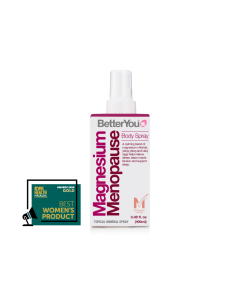
  1. Better You Magnesium Menopause Spray (100ml)
    Better You Magnesium Menopause Spray (100ml)
    €20.50
  2. Better You Magnesium Sleep Lotion (180ml)
    Better You Magnesium Sleep Lotion (180ml)
    €13.56 €16.95
    _
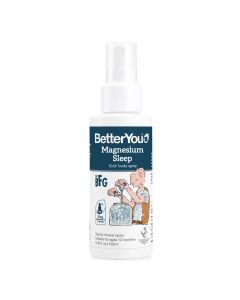
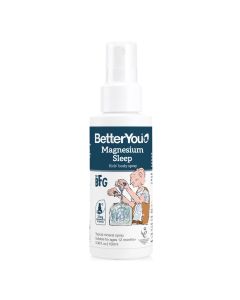
  3. Better You Kids Magnesium Sleep Spray (100ml)
    Better You Kids Magnesium Sleep Spray (100ml)
    €11.16 €13.95
    _
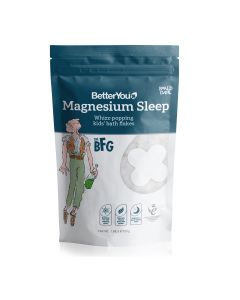
  4. Better You Kids Magnesium Sleep Whizz-popping Bath Flakes (750g)
    Better You Kids Magnesium Sleep Whizz-popping Bath Flakes (750g)
    €11.16 €13.95
    _
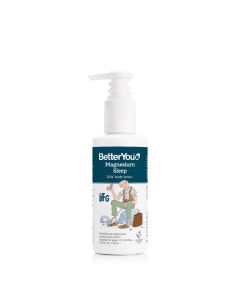
  5. Better You Kids Magnesium Sleep Lotion (135ml)
    Better You Kids Magnesium Sleep Lotion (135ml)
    €11.16 €13.95
    _
  6. Better You Kids Magnesium Sleep Spray (100ml)
    Better You Kids Magnesium Sleep Spray (100ml)
    €13.95
  7. Better You Kids Magnesium Sleep Whizz-popping Bath Flakes (750g)
    Better You Kids Magnesium Sleep Whizz-popping Bath Flakes (750g)
    €13.95
  8. Better You Magnesium Sleep Flakes 1kg
    Better You Magnesium Sleep Flakes 1kg
    €12.40 €15.50
    _
  9. Better You Magnesium Sleep Body Spray (100ml)
    Better You Magnesium Sleep Body Spray (100ml)
    €16.40 €20.50
    _
  10. Better You Magnesium Muscle Flakes 1kg
    Better You Magnesium Muscle Flakes 1kg
    €15.50
  11. Better You Magnesium Sleep Flakes 1kg
    Better You Magnesium Sleep Flakes 1kg
    €15.50
  12. Better You Kids Magnesium Sleep Lotion (135ml)
    Better You Kids Magnesium Sleep Lotion (135ml)
    €13.95
  13. Better You Magnesium Body Lotion (180ml)
    Better You Magnesium Body Lotion (180ml)
    €16.95
  14. Better You Magnesium Sleep Lotion (180ml)
    Better You Magnesium Sleep Lotion (180ml)
    €16.95
  15. Better You Magnesium Sensitive Spray (100ml)
    Better You Magnesium Sensitive Spray (100ml)
    €20.50
  16. Better You Magnesium Gel (150ml)
    Better You Magnesium Gel (150ml)
    €18.50
  17. Better You Magnesium Flakes (250g)
    Better You Magnesium Flakes (250g)
    €6.95
  18. Better You Magnesium Flakes (1kg)
    Better You Magnesium Flakes (1kg)
    €15.50
  19. Better You Magnesium Sleep Body Spray (100ml)
    Better You Magnesium Sleep Body Spray (100ml)
    €20.50
  20. Better You Magnesium Muscle Spray (100ml)
    Better You Magnesium Muscle Spray (100ml)
    €20.50

20 Item(s)

Vitamin D in Ireland: What You Need to Know as Autumn Approaches


As the days begin to shorten and autumn settles in, it's a good time to think about vitamin D. Unlike many nutrients, vitamin D is unique because our bodies can produce it when our skin is exposed to sunlight.

The challenge in Ireland is that our climate and location don't allow for vitamin D production all year round. According to the Food Safety Authority of Ireland (FSAI), there is an extended winter period, from around the end of October to March, when sunlight isn't strong enough to support adequate vitamin D production in the skin.

That's why vitamin D becomes particularly important as we move into the autumn and winter months.

What is Vitamin D?

Vitamin D is an essential nutrient that supports several important functions in the body.

It contributes to:

  • The maintenance of normal bones
  • Normal muscle function
  • The normal function of the immune system

Vitamin D also helps the body absorb and use calcium, making it an important nutrient for maintaining healthy bones throughout life.

Why is Vitamin D Particularly Important in Ireland?

Less Sunlight During Winter

Our bodies naturally produce vitamin D when ultraviolet B (UVB) rays from sunlight reach the skin. However, because Ireland is located at a northerly latitude, UVB levels are too low during the extended winter months for most people to produce sufficient vitamin D from sunlight alone.

Summer Sunshine Doesn't Always See Us Through Winter

While spending time outdoors during the summer can help build vitamin D stores, it doesn't always guarantee adequate levels throughout the winter months.

Factors such as time spent indoors, skin tone, sunscreen use, clothing coverage and lifestyle habits can all influence how much vitamin D your body produces and stores.

Food Sources of Vitamin D

Although vitamin D is found in relatively few foods, including these foods regularly may help contribute to your intake.

Some of the best natural sources include oily fish such as:

  • Salmon
  • Mackerel
  • Trout

Vitamin D can also be found in eggs, meat and foods fortified with vitamin D, including some dairy products and breakfast cereals.

Who Should Consider Supplementation?

Current Irish guidance recommends vitamin D supplementation during the winter months for many people.

The FSAI recommends that healthy teenagers and adults aged 12 to 65 years who are fair-skinned and receive adequate summer sunlight take a daily supplement providing 15µg (600 IU) of vitamin D during the extended winter period.

Similarly, the HSE advises people aged 13 to 64 to take 15µg (600 IU) of vitamin D from Halloween through to St Patrick's Day.

Some groups are advised to supplement throughout the year, including:

  • People with darker skin tones
  • People who have little or no exposure to sunlight
  • People who are pregnant

These groups may be at a greater risk of low vitamin D status.

As autumn approaches, vitamin D is worth putting back on your wellbeing radar. With less UVB sunlight available during the colder months, it can be more difficult to maintain vitamin D levels through sunlight alone.

Ensuring adequate vitamin D intake can help support normal bones, normal muscle function and the normal function of the immune system.

If you're unsure whether vitamin D supplementation is appropriate for you, it's always best to consult the latest HSE and FSAI guidance or speak with a healthcare professional.

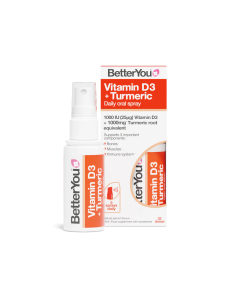
  1. BetterYou Vitamin D3 + Turmeric Oral Spray (50ml)
    BetterYou Vitamin D3 + Turmeric Oral Spray (50ml)
    €22.36 €27.95
    _
  2. BetterYou Vitamin D3 + Turmeric Oral Spray (50ml)
    BetterYou Vitamin D3 + Turmeric Oral Spray (50ml)
    €27.96
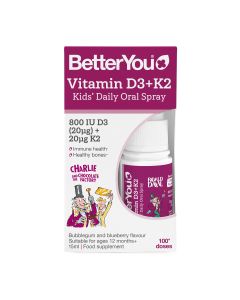
  3. Better You Kids Vitamin D3 + K2 Oral Spray (15ml)
    Better You Kids Vitamin D3 + K2 Oral Spray (15ml)
    €10.36 €12.95
    _
  4. Better You D400 Junior Oral Spray (15ml)
    Better You D400 Junior Oral Spray (15ml)
    €7.96 €9.95
    _
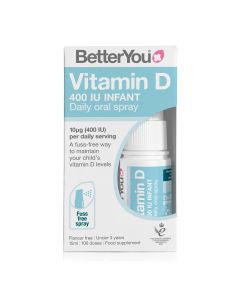
  5. Better You D400 Infant Vitamin D Oral Spray 15ml
    Better You D400 Infant Vitamin D Oral Spray 15ml
    €7.96 €9.95
    _
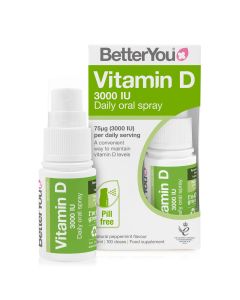
  6. Better You D3000 Oral Spray (15ml)
    Better You D3000 Oral Spray (15ml)
    €10.00 €12.50
    _
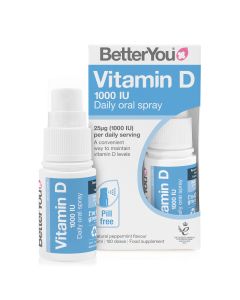
  7. Better You D1000 Vitamin D3 Oral Spray (15ml)
    Better You D1000 Vitamin D3 Oral Spray (15ml)
    €8.40 €10.50
    _
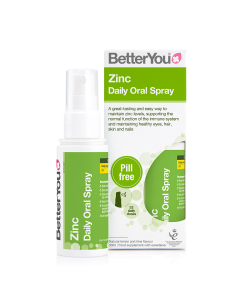
  8. Better You Zinc Daily Oral Spray (50ml)
    Better You Zinc Daily Oral Spray (50ml)
    €10.36 €12.95
    _
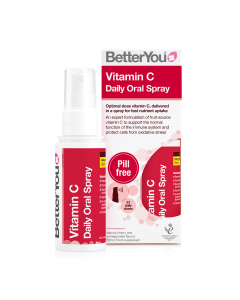
  9. Better You Vitamin C Daily Oral Spray (50ml)
    Better You Vitamin C Daily Oral Spray (50ml)
    €12.40 €15.50
    _
  10. Better You Vitamin C Daily Oral Spray (50ml)
    Better You Vitamin C Daily Oral Spray (50ml)
    €15.50
  11. Better You Kids Vitamin D3 + K2 Oral Spray (15ml)
    Better You Kids Vitamin D3 + K2 Oral Spray (15ml)
    €12.95
  12. Better You Zinc Daily Oral Spray (50ml)
    Better You Zinc Daily Oral Spray (50ml)
    €12.95
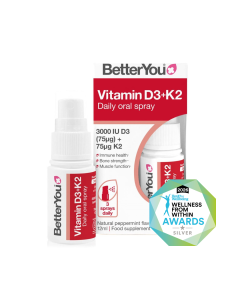
  13. Better You D3 + K2 Oral Spray (12ml)
    Better You D3 + K2 Oral Spray (12ml)
    €11.60 €14.50
    _
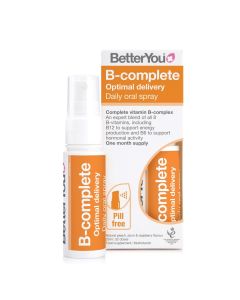
  14. Better You B-complete Daily Oral Spray 25ml
    Better You B-complete Daily Oral Spray 25ml
    €15.50
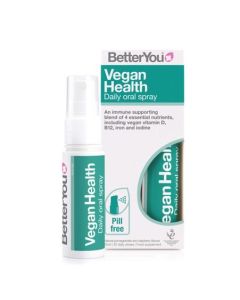
  15. Better You Vegan Health Oral Spray (15ml)
    Better You Vegan Health Oral Spray (15ml)
    €19.50
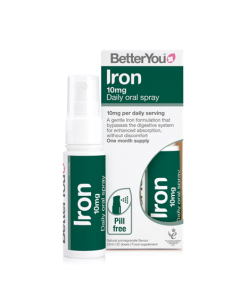
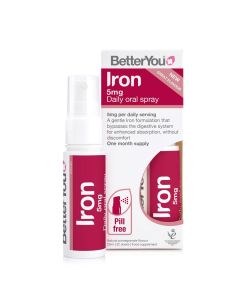
  16. Better You Iron 10mg Oral Spray (25ml)
    Better You Iron 10mg Oral Spray (25ml)
    €19.50
  17. Better You D3 + K2 Oral Spray (12ml)
    Better You D3 + K2 Oral Spray (12ml)
    €14.51
  18. Better You Iron Oral Spray (25ml)
    Better You Iron Oral Spray (25ml)
    €12.95
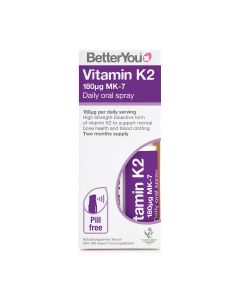
  19. Better You Vitamin K2 Oral Spray (25ml)
    Better You Vitamin K2 Oral Spray (25ml)
    €28.95
  20. Better You D3000 Oral Spray (15ml)
    Better You D3000 Oral Spray (15ml)
    €12.50
  21. Better You D400 Infant Vitamin D Oral Spray 15ml
    Better You D400 Infant Vitamin D Oral Spray 15ml
    €9.95
  22. Better You D400 Junior Oral Spray (15ml)
    Better You D400 Junior Oral Spray (15ml)
    €9.95
  23. Better You Multivitamin Kids Oral Spray 25ml
    Better You Multivitamin Kids Oral Spray 25ml
    €12.95
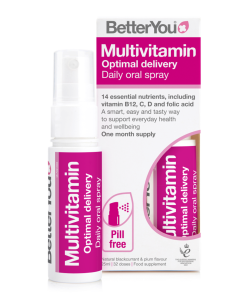
  24. Better You Multivit Oral Spray (25ml)
    Better You Multivit Oral Spray (25ml)
    €15.75
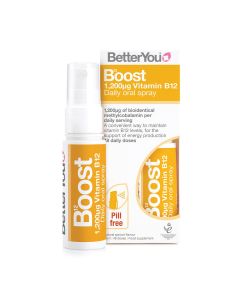
  25. Better You B12 Boost Oral Spray (25ml)
    Better You B12 Boost Oral Spray (25ml)
    €16.25
  26. Better You D1000 Vitamin D3 Oral Spray (15ml)
    Better You D1000 Vitamin D3 Oral Spray (15ml)
    €10.50


Unwind for Rest: A Guide to Better Sleep


In our fast-paced lives, quality sleep often feels like a luxury rather than a daily necessity. Yet, the ritual of winding down is one of the most powerful investments you can make in our long-term health and wellbeing. Creating a sanctuary of calm, starting within the bedroom, is a foundational step towards restorative rest.

Cultivating a peaceful evening routine can be supported by the thoughtful use of aromatherapy. By engaging the senses, it is possible to signal to the mind and body that it is time to shift from the pressures of the day into a state of deep, quiet recover.

The Art of the Evening Wind-Down

Creating a sleep-ready environment involves more than just a comfortable pillow; it is about sensory cues. The following pure essential oils are particularly effective for helping to drift off:

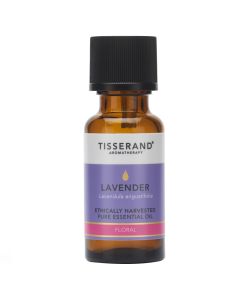
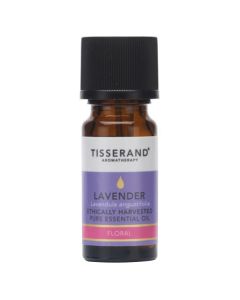
·       Lavender: Known for relaxation, its gentle, floral aroma is celebrated for soothing a busy mind. Whether choosing Organic or Ethically Harvested options, the calming properties remain a timeless staple for any bedside table.


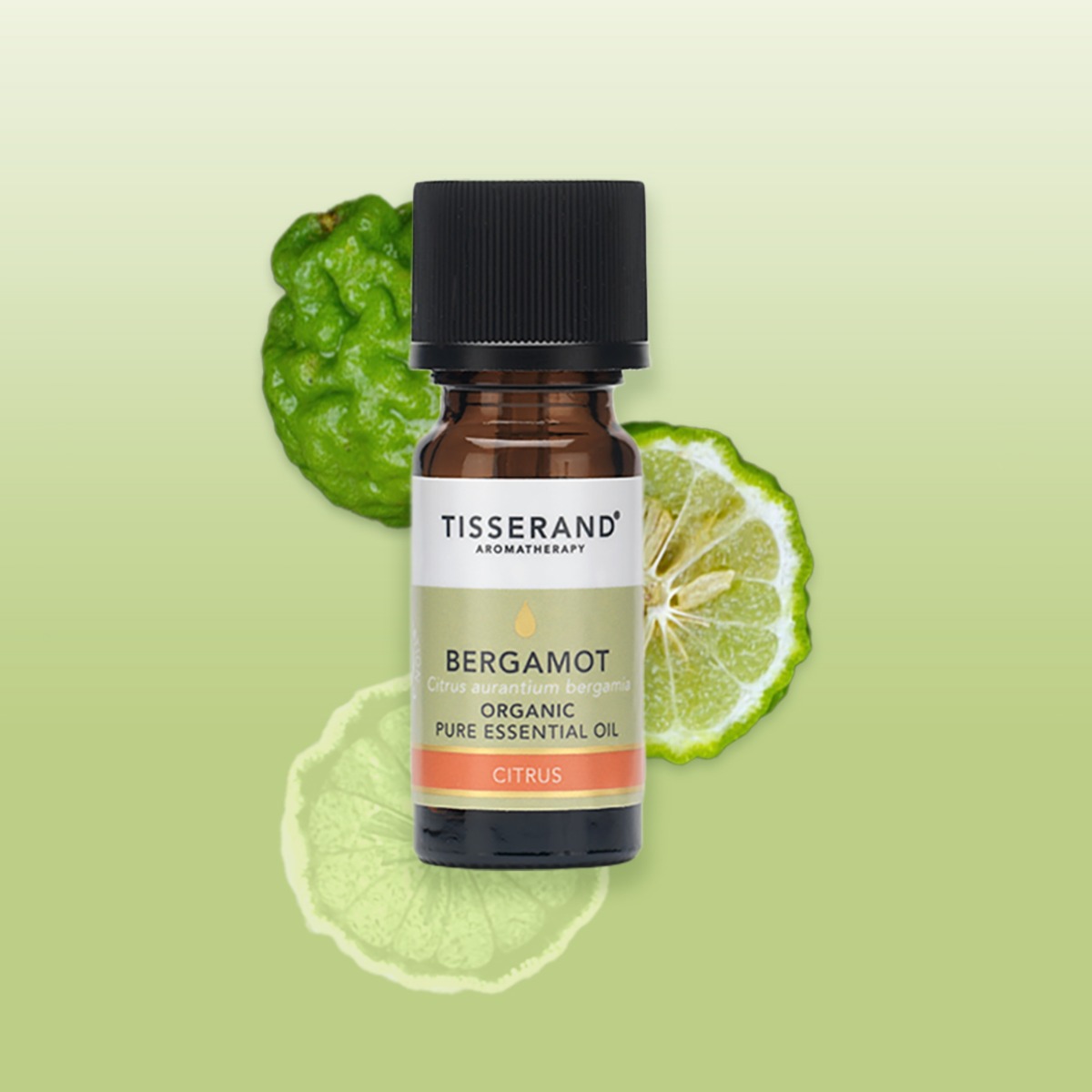
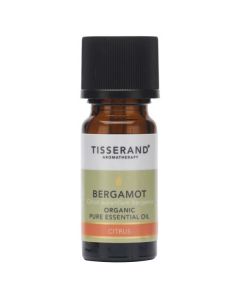
Bergamot: While often associated with uplifting energy, bergamot possesses a unique ability to balance the nervous system, helping ease the physical sensations of stress when preparing to settle down.

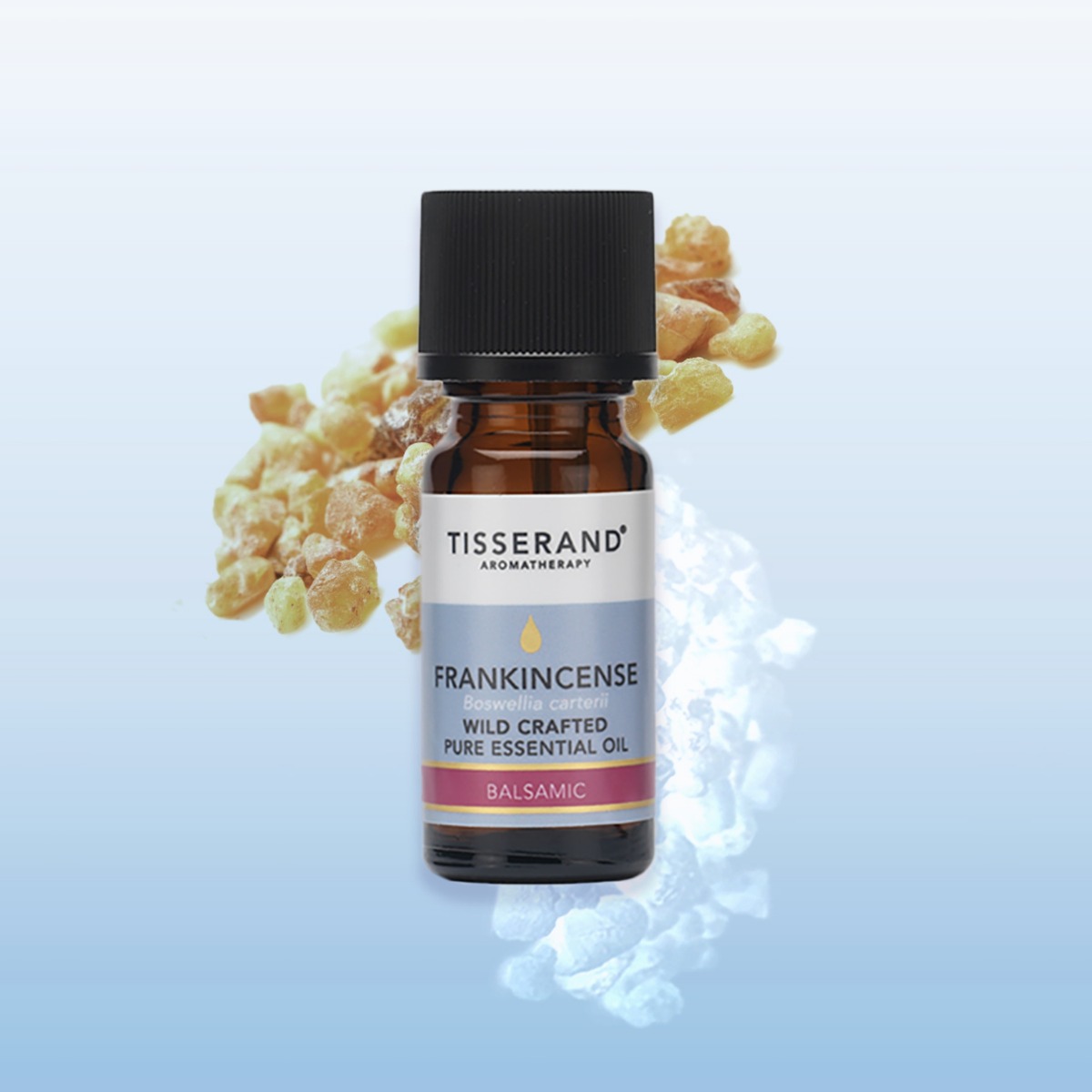
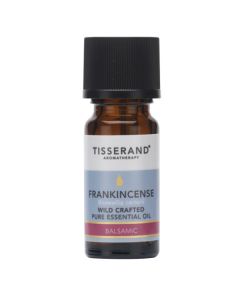
Frankincense: Whit a deep, woody and slightly balsamic scent, frankincense is excellent for grounding. It encourages deeper, slower breathing, which is essential for transitioning into a restful state.

The Sleep Better Blend

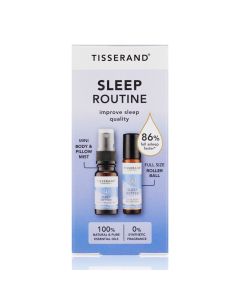
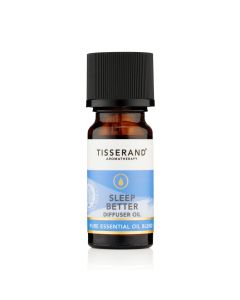
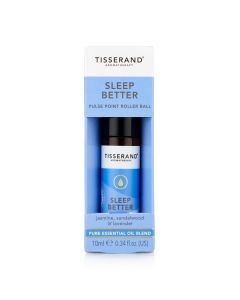
Sometimes, the most effective solution is a harmonious combination of natural oils. The Tisserand Aromatherapy Sleep Better blend has been expertly formulated to assist with a bedtime routine. By combining calming Jasmine, grounding Sandalwood and soothing Lavender, this blend creates a luxurious, enveloping atmosphere designed to quiet the senses and support a better night’s rest. 

How to Use Essential Oils for Restful Sleep

Integrating essential oils into an evening routine is simple and versatile. Here are several effective methods to incorporate these oils:

·       Evening Diffuser Blend: Add 4-6 drops of the Sleep Better diffuser oil or Lavender essential oil to a diffuser 30 minutes before bed. This allows the aroma to fill the room, creating a calming space for rest.

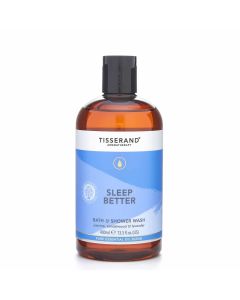
·       Soothing Bath: For a relaxing evening soak, add 3 drops of Lavender and 2 drops of Frankincense to 10ml of blending oil and mix. Add the blend to your bath before stepping in and swirl to disperse. You could also use the Sleep Better Bath & Shower Wash to help promote inner calm, leaving skin soft and replenished.

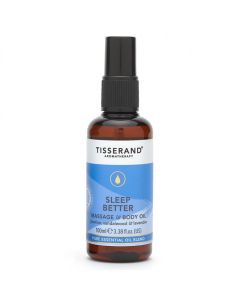
·       Bedtime Body Oil: For a deeply grounding ritual, add 5 drops of Vetiver to 10ml of blending oil and massage into pulse points such as the wrists, temples and soles of the feet, to help prepare the body for sleep. Or, use the Sleep Better Massage & Body Oil to nourish your skin and calm your mind before bed.

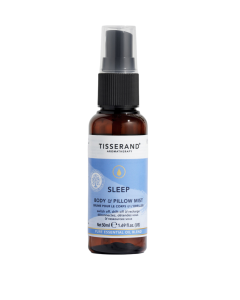
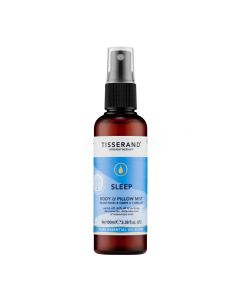
·       Pillow Mist Ritual: Spritz the mist around your body, room or onto your pillow to encourage deep relaxation, helping you fall asleep more easily and wake up feeling restored.

Consistency is essential. By repeating these small rituals, it becomes easier to train the brain to recognise the transition into rest.

  1. Tisserand Sleep Routine Duo Kit
    Tisserand Sleep Routine Duo Kit
    €14.94
  2. Tisserand Sleep Body & Pillow Mist (50ml)
    Tisserand Sleep Body & Pillow Mist (50ml)
    €11.50
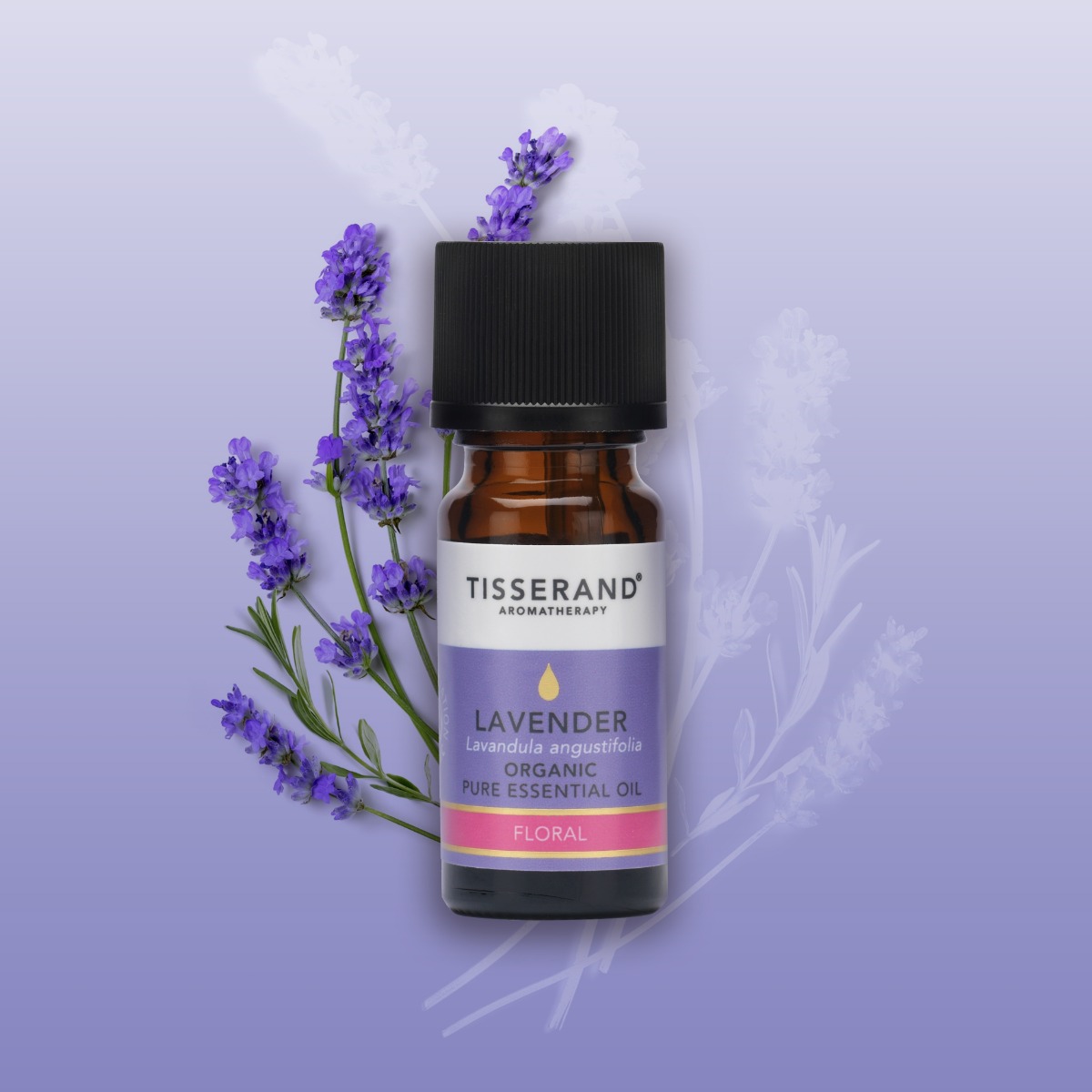
  3. Tisserand Lavender Oil - Organic (20ml)
    Tisserand Lavender Oil - Organic (20ml)
    €26.49
  4. Tisserand Sleep Better Diffuser Oil (9ml)
    Tisserand Sleep Better Diffuser Oil (9ml)
    €14.50
  5. Tisserand Sleep Better Bath & Shower Wash 400ml
    Tisserand Sleep Better Bath & Shower Wash 400ml
    €19.95
  6. Tisserand Sleep Better Roller Ball (10ml)
    Tisserand Sleep Better Roller Ball (10ml)
    €12.76
  7. Tisserand Sleep Better Massage Oil (100ml)
    Tisserand Sleep Better Massage Oil (100ml)
    €18.50
  8. Tisserand Ethically Harvested Lavender Oil (20ml)
    Tisserand Ethically Harvested Lavender Oil (20ml)
    €23.53
  9. Tisserand Sleep Body & Pillow Mist (100ml)
    Tisserand Sleep Body & Pillow Mist (100ml)
    €16.95
  10. Tisserand Frankincense Oil - Wild Crafted (9ml)
    Tisserand Frankincense Oil - Wild Crafted (9ml)
    €25.95
  11. Tisserand Bergamot Oil - Organic (9ml)
    Tisserand Bergamot Oil - Organic (9ml)
    €18.50

Back-to-School Wellness: Healthy Habits That Make September Easier


August has a funny way of sneaking up on us.

One minute you're enjoying lazy summer mornings, and the next you're buying school uniforms, looking for lunchboxes and wondering how everyone is going to get out the door on time again.

Going back to school is exciting, but it can also feel a little hectic. The good news is that a few small adjustments before September arrives can make the transition a lot smoother for both children and parents.

Ease Back into a Sleep Routine

If bedtimes have drifted a little later over the summer, don't worry you're not alone.

Rather than trying to switch straight from holiday mode to school mode overnight, try making small changes during August. Moving bedtime forward by 15–20 minutes every few days can help everyone adjust gradually.

A little extra sleep can make a big difference when it comes to mood, concentration and those early school starts.

Keep an Eye on Screen Time

Let's be honest, screens tend to get a bit more airtime during the summer holidays.

As September approaches, it can help to gently reintroduce some boundaries around screen use, especially in the evenings.

No need for a dramatic crackdown. Small changes are often easier for everyone to stick to.

Some simple ideas include:

  • Keeping phones and tablets out of bedrooms at night.
  • Having screen-free family meals.
  • Encouraging a tech-free hour before bed.
  • Swapping some screen time for reading, drawing, puzzles or outdoor play.
  • Leading by example where possible (yes, parents included!).

Reducing evening screen time can also help support better sleep, making those early school mornings feel a little less challenging.

Keep Breakfast Simple

Mornings are busy enough without trying to create a picture-perfect breakfast.

The aim is simply to get some fuel on board before the day begins.

Some easy options include:

  • Porridge with berries or banana
  • Eggs on wholegrain toast
  • Greek yoghurt with fruit
  • Overnight oats
  • Smoothies made with fruit and yoghurt
  • Peanut butter and banana on toast

Including some protein and fibre can help keep energy levels steady throughout the morning.

Get Children Involved

Getting ready for the new school term doesn't have to be a one-person job.

Children often enjoy having small responsibilities, and it can make mornings much less stressful.

Depending on their age, they might:

  • Lay out their uniform the night before
  • Pack their school bag
  • Fill their water bottle
  • Help prepare breakfast
  • Choose fruit and snacks for lunchboxes

A simple checklist on the fridge can work wonders and helps children build confidence while taking some pressure off parents.

Think About Vitamin D

As we move away from the brighter months of the year, many people in Ireland start thinking about their Vitamin D intake.

Vitamin D supports normal immune system function and helps maintain healthy bones and muscles. It's one of those nutrients that tends to get more attention as autumn approaches.

Lunchboxes Don't Need to Win Awards

It's easy to feel pressure when scrolling through social media, but most children aren't looking for a lunchbox masterpiece.

Simple often works best, a balanced lunchbox might include:

  • A source of protein
  • Wholegrain carbohydrates
  • Fruit
  • Vegetables
  • Water

If it gets eaten and provides some good nutrition, that's a win.

Plan Ahead Where You Can

September can feel like a juggling act. Between school runs, work, activities and homework, even deciding what's for dinner can feel like too much some days.

A little planning can go a long way.

Try:

  • Writing a rough meal plan for the week.
  • Keeping healthy snacks within easy reach.
  • Preparing a couple of freezer-friendly meals.
  • Packing school bags the night before.
  • Putting uniforms, shoes and coats in one place ready for the morning.

Small jobs done in advance can make busy weekdays feel much calmer.

Remember Parents Need Looking After Too

Back-to-school season isn't just tiring for children.

Parents are often managing schedules, activities, lunches, homework and work commitments all at the same time.

Try to make space for the basics:

  • Get enough sleep where you can.
  • Stay hydrated.
  • Keep healthy snacks handy.
  • Take a walk or get some fresh air when possible.
  • Lower the pressure to have everything perfectly organised.

You don't need a perfect wellness routine just a few habits that help you feel your best.

Focus on Progress, Not Perfection

The families who seem to manage September best aren't necessarily the most organised.

They're usually the ones who keep things realistic.

A few earlier nights, simple breakfasts, packed bags and a bit of planning can make a huge difference. There will still be forgotten homework, missing shoes and chaotic mornings from time to time and that's completely normal.

The goal isn't perfection.

It's simply making the return to school feel a little easier for everyone.

So as August winds down, focus on a few simple wins: a little more sleep, a little less screen time, easy breakfast options and some small bits of preparation. Those everyday habits often make the biggest difference when September rolls around.


  1. Urtekram Tea Tree Spray Conditioner - Irritated Scalp (250ml)
    Urtekram Tea Tree Spray Conditioner - Irritated Scalp (250ml)
    €9.95
  2. Better You Kids Magnesium Sleep Spray (100ml)
    Better You Kids Magnesium Sleep Spray (100ml)
    €13.95
  3. Better You Kids Magnesium Sleep Whizz-popping Bath Flakes (750g)
    Better You Kids Magnesium Sleep Whizz-popping Bath Flakes (750g)
    €13.95
  4. Better You Kids Vitamin D3 + K2 Oral Spray (15ml)
    Better You Kids Vitamin D3 + K2 Oral Spray (15ml)
    €12.95
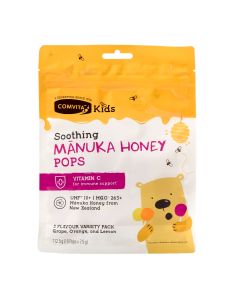
  5. Comvita Kids Manuka Lollipops 3 Flavours (15 lollipops)
    Comvita Kids Manuka Lollipops 3 Flavours (15 lollipops)
    €14.50
  6. Dr. Immune Five 250ml
    Dr. Immune Five 250ml
    €29.95
  7. Dr. GB (Gut & Brain) 250ml
    Dr. GB (Gut & Brain) 250ml
    €29.95
  8. BioCare Baby & Children's Vitamin D3 15ml
    BioCare Baby & Children's Vitamin D3 15ml
    €15.50
  9. Salus Haus Floradix Kids (250ml)
    Salus Haus Floradix Kids (250ml)
    €13.95
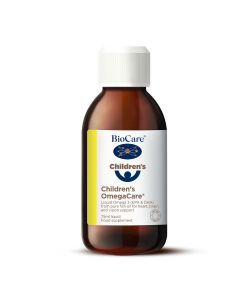
  10. Biocare Children's OmegaCare (75ml)
    Biocare Children's OmegaCare (75ml)
    €19.95
  11. Otosan ForTuss Cough Syrup (180g)
    Otosan ForTuss Cough Syrup (180g)
    €10.95
  12. BioCare Children's Mindlinx Powder (60g)
    BioCare Children's Mindlinx Powder (60g)
    €47.95
  13. BioCare Children's Elderberry Complex (150ml)
    BioCare Children's Elderberry Complex (150ml)
    €14.51
  14. BioCare Children's Banana BioAcidophilus  (60g)
    BioCare Children's Banana BioAcidophilus (60g)
    €27.96
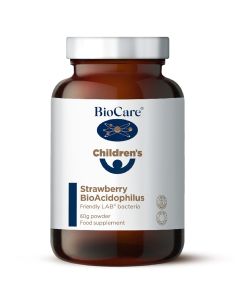
  15. BioCare Children's Strawberry BioAcidophilus  (60g)
    BioCare Children's Strawberry BioAcidophilus (60g)
    €29.50
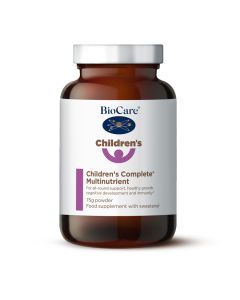
  16. Biocare Childrens Complete Multinutrient (75g)
    Biocare Childrens Complete Multinutrient (75g)
    €27.96
  17. BioCare Children's Red Berry BioMelts (28 Sachets)
    BioCare Children's Red Berry BioMelts (28 Sachets)
    €28.95
  18. Better You Kids Magnesium Sleep Lotion (135ml)
    Better You Kids Magnesium Sleep Lotion (135ml)
    €13.95
  19. Better You D400 Junior Oral Spray (15ml)
    Better You D400 Junior Oral Spray (15ml)
    €9.95
  20. Better You Multivitamin Kids Oral Spray 25ml
    Better You Multivitamin Kids Oral Spray 25ml
    €12.95
  21. Salus Haus Fruity Kindervital Liquid Formula (250ml)
    Salus Haus Fruity Kindervital Liquid Formula (250ml)
    €13.95
  22. Salus Haus Kindervital Liquid Formula (500ml)
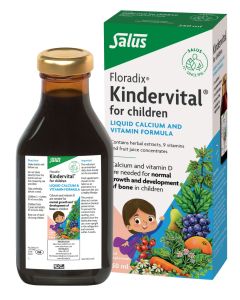
    Salus Haus Kindervital Liquid Formula (500ml)
    €23.49
  23. Salus Haus Kindervital Liquid Formula (250ml)
    Salus Haus Kindervital Liquid Formula (250ml)
    €13.95
  24. Healing Herbs Exam Remedy Spray (20ml)
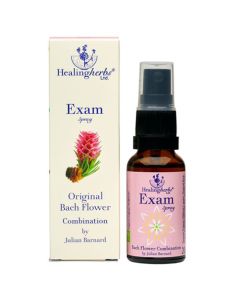
    Healing Herbs Exam Remedy Spray (20ml)
    €10.95

Still Sneezing? Why Hay Fever Can Be Worse in August Than You Think


Most people think hay fever is a spring problem. Then August arrives and they're still carrying tissues everywhere.

If you're wondering why your symptoms haven't disappeared, you're not imagining it. While tree pollen season is mostly behind us, grass pollen can continue through much of the summer and weed pollens become more prominent as we move into late summer and early autumn.

The result? Plenty of people are still dealing with sneezing, itchy eyes, congestion and that annoying blocked-up feeling long after spring.

The Problem Isn't Always Pollen

When people think of hay fever, they usually focus on what's happening outdoors.

But pollen doesn't stay outside.

It gets trapped in your hair, your clothes, your car and your bedding. Open windows can bring it into the house, and pets can unknowingly carry it indoors after walks.

That's why some people feel like they're getting no relief, even when they're spending more time inside.

One of the Most Underrated Tools: Nasal Washing

When customers ask us what non-drug approach is worth trying first, nasal washing is often high on the list.

A saline nasal rinse doesn't treat allergies, but it can help physically wash pollen, dust and mucus out of the nasal passages. You're removing the irritants rather than trying to fight them.

Many people use a saline spray, squeeze bottle or neti pot once or twice daily during heavy pollen periods.

The key is consistency. If you're spending time outdoors, a quick rinse when you come home may help remove some of the pollen you've been exposed to throughout the day.

What About Quercetin?

Quercetin has become one of the most talked-about supplements during allergy season.

It's a naturally occurring plant compound found in foods like onions, apples, berries and broccoli.

Many people choose quercetin supplements as part of their seasonal wellness routine. It remains one of the most popular choices among people looking for nutritional support during hay fever season.

Nettle: A Traditional Favourite

Nettle has a long history of traditional use and continues to be widely used in herbal products. Nettle is a popular option for people looking to support their wellbeing during allergy season.

Where Does Vitamin C Fit In?

Vitamin C is probably best known for its role in supporting the normal function of the immune system.

It also acts as an antioxidant and is found naturally in foods such as:

  • Citrus fruits
  • Strawberries
  • Kiwi
  • Peppers
  • Broccoli

Some people like to include vitamin C alongside other supplements during allergy season.

A Few Simple Things That Can Make a Difference

Beyond supplements, there are practical habits that many allergy sufferers find helpful:

  • Check pollen forecasts before heading outdoors.
  • Keep windows closed during high pollen periods.
  • Shower after spending time outside.
  • Change clothes when you get home.
  • Hoover regularly.
  • Wash pillowcases frequently.

None of these are revolutionary, but together they can reduce the amount of pollen you're exposed to throughout the day.

There isn't a magic solution for hay fever, but there are plenty of ways to make the season more manageable.

For many people, a combination of sensible pollen avoidance, regular nasal washing and carefully chosen supplements such as quercetin, nettle and vitamin C becomes part of their annual routine.

  1. Otosan Nasal Wash (30 Sachets)
    Otosan Nasal Wash (30 Sachets)
    €9.95
  2. Otosan Baby Nasal Spray (20ml)
    Otosan Baby Nasal Spray (20ml)
    €10.95
  3. Otosan Nasal Spray 30ml
    Otosan Nasal Spray 30ml
    €10.95
  4. Otosan Nasal Wash Kit - Bottle & 30 Sachets
    Otosan Nasal Wash Kit - Bottle & 30 Sachets
    €21.96
  5. Biocare Quercetin Complex (90 Capsules)
    Biocare Quercetin Complex (90 Capsules)
    €48.95
  6. Salus Haus Nettle Organic Tea (15 Teabags)
    Salus Haus Nettle Organic Tea (15 Teabags)
    €3.50
  7. Salus Haus Organic Nettle Juice (200ml)
    Salus Haus Organic Nettle Juice (200ml)
    €8.50
  8. Lifeplan Nettle 220mg (50 Capsules)
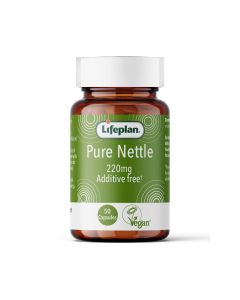
    Lifeplan Nettle 220mg (50 Capsules)
    €11.50

Ashwagandha: A Rooted Approach to Modern Stress


Modern life rarely asks us to pause. Stress no longer feels occasional. It is constant. It accompanies us every day. Emails before breakfast, coffee-fuelled mornings, back-to-back meetings - we are constantly bombarded by notifications that never seem to stop. It is no wonder our brains feel exhausted by mid-afternoon, yet we find ourselves wide awake by bedtime, unable to switch off and fall asleep. This is the “tired but wired” rhythm of modern life: high demand, low recovery and very little space to unwind. Over time, this constant state of alertness can leave us feeling depleted, emotionally stretched and disconnected from the calm our bodies naturally crave.

This is where adaptogenic herbs have gained a lot of attention, with ashwagandha becoming one of the standout botanicals in modern wellbeing. This blog explores its benefits, with a focus on stress, mood, and emotional wellbeing.

Meet the root

Ashwagandha, or Withania somnifera, is a botanical root traditionally known as a rasayana herb, meaning it has been used to support vitality, restoration and adaptation. Traditionally used in Ayurvedic practice, and now widely studied in clinical research, ashwagandha has been explored for perceived stress, cortisol regulation, sleep quality, anxiety-related scores, mood, cognitive function and resilience.1–6 Its key active compounds include withanolides, withaferin A, sitoindosides, alkaloids, saponins and flavonoids. These compounds are thought to contribute to its adaptogenic, antioxidant, anti-inflammatory, neuroprotective and stress-modulating activity.7,8 Rather than acting like a sedative, ashwagandha appears to work more like a stress-response modulator. In other words, it may help the body respond to stress more appropriately, especially when the nervous system feels as though it is permanently switched on.

How can ashwagandha help the body adapt to stress?

Part of what makes Withania somnifera so compelling for modern stress is the way it appears to interact with the body’s own stress-response system. When we feel under pressure, whether from work, poor sleep, emotional strain or the constant pace of everyday life, the body responds through a whole-body network involving the brain, hormones and nervous system.

At the centre of this response is the HPA axis, the communication pathway between the hypothalamus, pituitary gland and adrenal glands. This system helps regulate cortisol, one of our primary stress hormones.

Cortisol is not “bad”. We need it to wake up, focus, mobilise energy in the body and respond to challenges. The issue is not cortisol itself, but how well it is regulated. When stress is constant and recovery is poor, the stress response can stay activated for too long. This may contribute to that familiar modern pattern of feeling wired, reactive, mentally scattered, emotionally stretched or unable to fully relax. Clinical research suggests ashwagandha may help support healthier stress responses by influencing perceived stress, anxiety-related scores and cortisol levels.6,9

Ashwagandha has also been explored for its effects on GABAergic and serotonergic pathways, alongside antioxidant, anti-inflammatory and neuroprotective mechanisms. This may help explain why scientific interest now extends beyond stress alone, into areas such as sleep quality, mood, cognitive function and wider mental wellbeing.3,4,10

Thus, while ashwagandha has a long history of traditional use, modern research is now beginning to explore how this ancient root may support the way we adapt to pressure, recover from stress and find it easier to switch off.

How does this ancient root fit into modern life?

Ashwagandha for stress and cortisol

Ashwagandha appears to be most compelling as a stress-response modulator, helping the body respond to pressure. A 2024 systematic review and meta-analysis of randomised controlled trials found that ashwagandha significantly reduced perceived stress, anxiety and serum cortisol compared with placebo, with studied doses ranging from 125mg to 600mg daily for 30 to 90 days.11 A more recent 2025 meta-analysis also reported reductions in cortisol, perceived stress and anxiety scores in adults taking ashwagandha.12

This is supported by an 8-week randomised, double-blind, placebo-controlled trial in adults with self-reported high stress, where 125mg, 250mg and 500mg daily of a standardised Withania somnifera extract were associated with improvements in perceived stress and anxiety-related scores, alongside changes in stress biomarkers including cortisol, ACTH and salivary alpha-amylase.13

Ashwagandha for anxiety

A 2025 systematic review and meta-analysis of 14 randomized controlled trials (713 participants with mental health disorders) found that ashwagandha supplementation, typically 600 mg/day for around 8 weeks, was associated with significant reductions in anxiety symptoms and perceived stress, as measured by validated rating scales, as well as improvements in sleep quality. Evidence for depression symptoms was less consistent. The authors concluded that the strongest support was for anxiety-related outcomes, although substantial variation between studies means larger trials are still needed.14

Ashwagandha for mood and emotional resilience

Low mood rarely exists in isolation. It can sit alongside long-term stress, poor sleep, low motivation, emotional overload and that feeling of being depleted but unable to properly rest.

Emerging human research suggests ashwagandha may have a role in supporting mood, particularly where low mood overlaps with anxiety and stress. A 2024 study reported that ashwagandha root extract may support cognition, energy and mood-related problems in adults.15

Another randomised, double-blind, placebo-controlled study using a standardised ashwagandha root extract with piperine reported improvements in symptoms of anxiety and depression, with changes in serotonin levels also observed.10

Ashwagandha for sleep and the “tired but wired” pattern

This is where the story comes back to the modern “tired but wired” pattern. Body feels exhausted, but the nervous system is still on high alert.

Ashwagandha does not appear to act like a sedative. Instead, its sleep-related benefits may be linked to its effects on stress regulation, cortisol and nervous system balance.11,16

Ashwagandha supplementation has also been associated with improvements in some measures of memory, vigilance, attention and executive function, while decreasing perceptions of tension and fatigue in younger healthy individuals.17

Ashwagandha and immunity: the stress connection

Chronic stress can influence immune function, inflammatory signalling and the body’s ability to maintain resilience. When the stress response stays activated for too long, it can affect much more than how we feel mentally, it can also influence how the body communicates and adapts physically.

A 2023 review describes ashwagandha’s potential role in helping to balance cellular immune responses, with proposed effects on cytokine modulation, T-cell proliferation and macrophage function.18,19

In a randomised, double-blind, placebo-controlled pilot study in healthy adults, 60mg daily of a standardised ashwagandha root and leaf extract for 30 days significantly increased several immune markers, including immunoglobulins, cytokines and lymphocyte markers.20

Overall, the research shows that ashwagandha can support stress, anxiety, cortisol regulation, sleep, mood and resilience. With its long history of traditional use and growing scientific interest, this ancient root offers meaningful support for today’s high-pressure, low-recovery way of living.

Building a recovery routine

Ashwagandha may help support the body’s stress response, but it works best alongside the daily habits that support the body’s natural ability to adapt, recover and restore balance.

Dietary support for stress, anxiety and mood

  • Support blood sugar balance - Blood sugar dips can make the body feel more stressed, wired or irritable. Aim for meals that combine protein, fibre, healthy fats and slow-release carbohydrates, rather than relying on caffeine or quick sugary snacks for energy. Try: porridge with seeds and nut butter, eggs with sourdough and avocado, lentil soup with olive oil, or salmon with vegetables and quinoa.
  • Include magnesium-rich foods - Magnesium is important for nervous system function, relaxation and the stress response. Research shows that magnesium supplementation can reduce stress scores in adults with low magnesium levels, and when combined with additional vitamin B6, it can increase benefits further for those with severe or extremely severe stress.21Try: pumpkin seeds, leafy greens, almonds, cashews, legumes, wholegrains and cacao.
  • Keep caffeine earlier in the day - For some people, caffeine can contribute to the “tired but wired” pattern, especially when it is used to push through fatigue or when taken later in the day. Keeping caffeine to a maximum of two cups in the morning may help reduce evening alertness and support the body’s natural wind-down rhythm.

Lifestyle support for stress recovery and sleep

  • Create a clear evening transition - The nervous system often needs a signal that the day is ending. Dim lights after dinner, reduce stimulating tasks and give yourself a buffer between work, screens and sleep. Evening exposure to light-emitting devices has been shown to suppress melatonin (our sleep hormone), delaying the circadian clock, increasing the time it takes to fall asleep and reducing next-morning alertness.22
  • Use slow breathing techniques - Slow breathing, especially with longer exhales, can be a simple way to support the shift from stress mode into recovery mode. Five minutes of daily breathwork can improve mood and reduce physiological arousal. Try: inhale gently through the nose, then take a small second inhale, followed by a long, slow exhale. Repeat for 3 to 5 minutes.
  • Move daily - Exercise can support mood, energy and stress resilience.
  • Don’t forget about recovery - short pauses, daylight, breathwork, regular meals, gentle movement and an intentional evening routine all help send the same message to the nervous system: the pressure has passed, and it is safe to unwind.

Ashwagandha and its botanical partners

Since modern stress is rarely driven by one pathway, ashwagandha can be paired strategically with other botanicals to support different aspects of mental wellbeing, from emotional balance and stress resilience to fatigue, focus and the inflammation-mood connection.

Saffron for mood and emotional wellbeing

Saffron has one of the strongest mood-focused botanical evidence bases. Clinical studies and meta-analyses suggest saffron may support depressive symptoms, anxiety-related outcomes and psychological wellbeing, potentially through serotonergic, GABAergic, antioxidant, anti-inflammatory, neuroendocrine and neuroprotective actions.23–25

Turmeric for the inflammation-mood connection

Turmeric, and particularly its best-known active compound curcumin, has been studied in relation to mood and anxiety-related outcomes, especially where inflammation and oxidative stress may be part of the picture.26–28

Rhodiola for stress fatigue and performance pressure

Rhodiola is another adaptogen traditionally used for fatigue and resilience. Research suggests it may support stress-related fatigue, mental performance, concentration and stress-related mood symptoms, making it particularly relevant when pressure is linked with low energy, poor recovery and high cognitive demand.29–31

Modern stress sometimes looks like functioning well while feeling constantly switched on. Ashwagandha offers a compelling bridge between traditional botanical use and modern stress science. Used alongside nourishing food, sleep, movement, caffeine moderation and healthy dietary habits, ashwagandha can become a practical part of a daily stress resilience routine.


  1. BioCare Mood Complex (60cps)
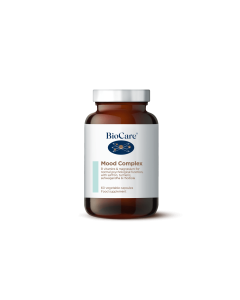
    BioCare Mood Complex (60cps)
    €46.50

References

  1. Alsanie SA, Alhodieb FS, Askarpour M. Effects of ashwagandha (Withania somnifera) on mental health in adults: A systematic review and dose–response meta-analysis of randomized controlled trials. Complement Ther Med. 2026;97. doi:10.1016/j.ctim.2026.103325
  2. Akhgarjand C, Asoudeh F, Bagheri A, et al. Does Ashwagandha supplementation have a beneficial effect on the management of anxiety and stress? A systematic review and meta-analysis of randomized controlled trials. Phytother Res. 2022;36(11):4115-4124. doi:10.1002/PTR.7598
  3. Speers AB, Cabey KA, Soumyanath A, Wright KM. Effects of Withania somnifera (Ashwagandha) on Stress and the Stress- Related Neuropsychiatric Disorders Anxiety, Depression, and Insomnia. Curr Neuropharmacol. 2021;19(9):1468-1495. doi:10.2174/1570159X19666210712151556
  4. Lopresti AL, Smith SJ, Malvi H, Kodgule R, Wane D. An investigation into the stress-relieving and pharmacological actions of an ashwagandha (Withania somnifera) extract: A randomized, double-blind, placebo-controlled study. Medicine. 2019;98(37). doi:10.1097/MD.0000000000017186
  5. Fatima K, Malik J, Muskan F, et al. Safety and efficacy of Withania somnifera for anxiety and insomnia: Systematic review and meta-analysis. Hum Psychopharmacol. 2024;39(6). doi:10.1002/HUP.2911
  6. Cheah KL, Norhayati MN, Yaacob LH, Rahman RA. Effect of Ashwagandha (Withania somnifera) extract on sleep: A systematic review and meta-analysis. PLoS One. 2021;16(9). doi:10.1371/JOURNAL.PONE.0257843
  7. Remenapp A, Coyle K, Orange T, et al. Efficacy of Withania somnifera supplementation on adult’s cognition and mood. J Ayurveda Integr Med. 2022;13(2). doi:10.1016/j.jaim.2021.08.003
  8. Salve J, Pate S, Debnath K, Langade D. Adaptogenic and Anxiolytic Effects of Ashwagandha Root Extract in Healthy Adults: A Double-blind, Randomized, Placebo-controlled Clinical Study. Cureus. 2019;11(12). doi:10.7759/CUREUS.6466
  9. Akhgarjand C, Asoudeh F, Bagheri A, et al. Does Ashwagandha supplementation have a beneficial effect on the management of anxiety and stress? A systematic review and meta-analysis of randomized controlled trials. Phytother Res. 2022;36(11):4115-4124. doi:10.1002/PTR.7598
  10. Majeed M, Nagabhushanam K, Murali A, Vishwanathan DT, Mamidala R V., Mundkur L. A Standardized Withania somnifera (Linn.) Root Extract with Piperine Alleviates the Symptoms of Anxiety and Depression by Increasing Serotonin Levels: A Double-Blind, Randomized, Placebo-Controlled Study. Journal of integrative and complementary medicine. 2024;30(5):459-468. doi:10.1089/JICM.2023.0279
  11. Arumugam V, Vijayakumar V, Balakrishnan A, et al. Effects of Ashwagandha (Withania Somnifera) on stress and anxiety: A systematic review and meta-analysis. EXPLORE. 2024;20(6):103062. doi:10.1016/J.EXPLORE.2024.103062
  12. Hassoulas A, Mccrum R, Patel A, et al. Effects of Ashwagandha Supplements on Cortisol, Stress, and Anxiety Levels in Adults: A Systematic Review and Meta-Analysis. BJPsych Open. 2025;11(S1):S39-S39. doi:10.1192/BJO.2025.10136
  13. Pandit S, Srivastav AK, Sur TK, Chaudhuri S, Wang Y, Biswas TK. Effects of Withania somnifera Extract in Chronically Stressed Adults: A Randomized Controlled Trial. Nutrients. 2024;16(9):1293. doi:10.3390/NU16091293/S1
  14. Marchi M, Grenzi P, Travascio A, et al. The effect of Withania somnifera (Ashwagandha) on mental health symptoms in individuals with mental disorders: systematic review and meta-analysis. BJPsych Open. 2025;11(6):e260. doi:10.1192/BJO.2025.10885
  15. Kale S, Lopresti A, Suri R, Garg N, Langade D, Mbbs RS. Safety and Efficacy of Ashwagandha Root Extract on Cognition, Energy and Mood Problems in Adults: Prospective, Randomized, Placebo-Controlled Study. Published online 2024. doi:10.1080/02791072.2024.2424279
  16. Pandit S, Srivastav AK, Sur TK, Chaudhuri S, Wang Y, Biswas TK. Effects of Withania somnifera Extract in Chronically Stressed Adults: A Randomized Controlled Trial. Nutrients. 2024;16(9):1293. doi:10.3390/NU16091293/S1
  17. Leonard M, Dickerson B, Estes L, et al. Acute and Repeated Ashwagandha Supplementation Improves Markers of Cognitive Function and Mood. Nutrients. 2024;16(12). doi:10.3390/NU16121813
  18. Alanazi HH, Elfaki E. The immunomodulatory role of withania somnifera (L.) dunal in inflammatory diseases. Front Pharmacol. 2023;14:1084757. doi:10.3389/FPHAR.2023.1084757/TEXT
  19. Mikulska P, Malinowska M, Ignacyk M, et al. Ashwagandha (Withania somnifera)—Current Research on the Health-Promoting Activities: A Narrative Review. Pharmaceutics 2023, Vol 15, Page 1057. 2023;15(4):1057. doi:10.3390/PHARMACEUTICS15041057
  20. Tharakan A, Shukla H, Benny IR, Tharakan M, George L, Koshy S. Immunomodulatory effect of withania somnifera (Ashwagandha) extract—A randomized, double-blind, placebo controlled trial with an open label extension on healthy participants. J Clin Med. 2021;10(16):3644. doi:10.3390/JCM10163644/S1
  21. Pouteau E, Kabir-Ahmadi M, Noah L, et al. Superiority of magnesium and vitamin B6 over magnesium alone on severe stress in healthy adults with low magnesemia: A randomized, single-blind clinical trial. PLoS One. 2018;13(12):e0208454. doi:10.1371/JOURNAL.PONE.0208454
  22. Chang AM, Aeschbach D, Duffy JF, Czeisler CA. Evening use of light-emitting eReaders negatively affects sleep, circadian timing, and next-morning alertness. Proc Natl Acad Sci U S A. 2015;112(4):1232-1237. doi:10.1073/PNAS.1418490112;WGROUP:STRING:PUBLICATION
  23. Mahmoudi R, Mohammadi-Sartang M, Servatyari K, Rafieipour N. Effect of saffron on depression, anxiety and mood disorder: a GRADE assessed systematic review and meta-analysis of 34 randomized controlled trials. Nutr Neurosci. Published online 2026. doi:10.1080/1028415X.2025.2602153
  24. Yang X, Chen X, Fu Y, et al. Comparative efficacy and safety of Crocus sativus L. for treating mild to moderate major depressive disorder in adults: a meta-analysis of randomized controlled trials. Neuropsychiatr Dis Treat. 2018;14:1297-1305. doi:10.2147/NDT.S157550
  25. Khaksarian M, Behzadifar M, Behzadifar M, et al. The efficacy of Crocus sativus (Saffron) versus placebo and Fluoxetine in treating depression: a systematic review and meta-analysis. Psychol Res Behav Manag. 2019;12:297-305. doi:10.2147/PRBM.S199343
  26. Yaikwawong M, Jansarikit L, Jirawatnotai S, Chuengsamarn S. Curcumin Reduces Depression in Obese Patients with Type 2 Diabetes: A Randomized Controlled Trial. Nutrients. 2024;16(15). doi:10.3390/NU16152414
  27. Yuan J, Pi C, Shen H, et al. Potential therapeutic benefits of curcumin in depression or anxiety induced by chronic diseases: a systematic review of mechanistic and clinical evidence. Front Pharmacol. 2025;16. doi:10.3389/FPHAR.2025.1638645
  28. Fathi S, Agharloo S, Falahatzadeh M, et al. Effect of curcumin supplementation on symptoms of anxiety: A systematic review and meta-analysis of randomized controlled trials. Clin Nutr ESPEN. 2024;62:253-259. doi:10.1016/j.clnesp.2024.05.017
  29. Anghelescu IG, Edwards D, Seifritz E, Kasper S. Stress management and the role of Rhodiola rosea: a review. Int J Psychiatry Clin Pract. 2018;22(4):242-252. doi:10.1080/13651501.2017.1417442
  30. Bangratz M, Abdellah SA, Berlin A, et al. A preliminary assessment of a combination of rhodiola and saffron in the management of mild–moderate depression. Neuropsychiatr Dis Treat. 2018;14:1821. doi:10.2147/NDT.S169575
  31. Anghelescu IG, Edwards D, Seifritz E, Kasper S. Stress management and the role of Rhodiola rosea: a review. Int J Psychiatry Clin Pract. 2018;22(4):242-252. doi:10.1080/13651501.2017.1417442

 

Gardening with Essential Oils: A Natural Approach to Pest Control Essential Oils


Essential oils are becoming a powerful tool for natural pest control, helping gardeners protect both indoor and outdoor plants without relying on harsh chemicals. Unlike traditional pesticides, which often kill beneficial insects alongside pests, essential oils can help target common garden problems while supporting pollinators like bees and butterflies. From deterring aphids and fungus gnats to promoting a healthier, more balanced garden ecosystem, essential oils offer an eco-conscious approach to Integrated Pest Management that’s safer for your plants, pollinators, and the environment.

Common Gardening Problems & Essential Oil Solutions

1. Soil Health & Fungal Growth

Fungal problems thrive in damp, stagnant conditions and often begin in the soil before becoming visible.

Common Issues

  • Fungus Gnats
  • Thrips (pupae stage)
  • Powdery Mildew
  • Soil Mold

Best Oils

Tea Tree or Lemon

How They Work

Tea Tree oil contains terpinen-4-ol, a natural antifungal compound that disrupts fungal cell membranes. Reducing fungal growth also removes food sources for pests like fungus gnat larvae.

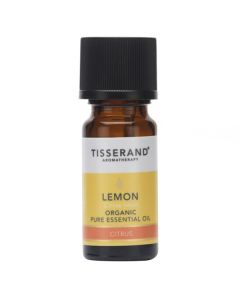
Lemon essential oil breaks down the fungal spore walls as it is a natural fungistat (stops fungal reproduction).

Applications

Soil Drench (Indoor & Outdoor)
  • 5 drops Tea Tree oil
  • 2 tsp natural washing-up liquid
  • 1 litre water
  • Stir until cloudy and water directly into the soil.
Foliage Spray
  • 10 drops Lemon or Tea Tree oil
  • 1 tsp natural washing-up liquid
  • 500ml water
  • Shake well and lightly mist leaves affected by mildew.

2. Masking Plant Scents

Many pests locate plants through scent. Essential oils can create a “scent barrier” that confuses insects and prevents them finding host plants.

Common Issues

  • Aphids
  • Cabbage White Butterflies
  • Mosquitoes & Flies

Best Oils

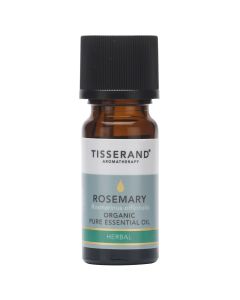
Lavender or Rosemary

How They Work

Strong aromatic oils overwhelm insects’ sensory receptors, masking the scent of vulnerable plants.

Applications

Scented Stakes (Outdoor)
  • Soak ribbons in Lavender oil
  • Tie them to bamboo canes
  • Place them every few feet in your vegetable patch or border garden
Perimeter Spray (Indoor & Outdoor)
  • 10–20 drops Rosemary oil
  • 1 tsp natural washing-up liquid
  • 500ml water
  • Shake well to combine

3. Disrupting Pheromone Trails

Ants and spiders rely on scent trails to navigate. Essential oils can interrupt these invisible pathways.

Common Issues

  • Ants
  • Spiders

Best Oils

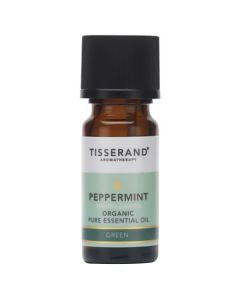
Peppermint or Lemon

How They Work

Peppermint’s menthol and Lemon’s d-limonene acts as both an irritant and a “chemical eraser,” disrupting pheromone trails and preventing insects from returning.

For spiders, the d-limonene and Citral in Lemon essential oil creates an overwhelming scent that signals the area is chemically hostile, forcing them to relocate.

Applications

Cotton Ball Method (Indoor)
  • Add 2–3 drops Peppermint oil to cotton balls
  • Place near pots, windowsills or entry points.
Trail Eraser Spray
  • 15–20 drops Lemon oil
  • 1 tsp natural washing-up liquid
  • 500ml water
  • Spray directly onto ant trails, doorframes, windowsills and plant pots.

4. Soft-Bodied Pests & Surface Protection

Some pests require stronger deterrents that disrupt their protective outer layers.

Common Issues

  • Spider Mites
  • Slugs & Snails
  • Mealybugs
  • Thrips

Best Oils

Lemongrass or Peppermint

How They Work

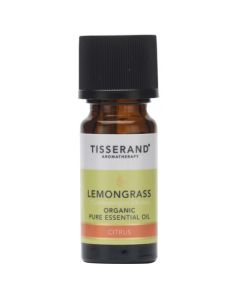
Lemongrass contains citral, which helps break down the waxy coatings of pests like mealybugs and mites. Peppermint’s intense cooling sensation deters slugs and snails.

Applications

Pest Treatment Spray (Indoor)
  • 6–8 drops Lemongrass oil
  • 1.5 tsp natural washing-up liquid
  • 500ml water
  • Spray thoroughly across the plant, especially affected areas, to remove pests and help prevent new infestations.
High-Intensity Barrier Spray (Outdoor)
  • 15–20 drops Peppermint oil
  • 1.5 tsp natural washing-up liquid
  • 500ml water
  • Apply around pots, greenhouse legs, gates or create a 3-inch protective ring around plants.

How Essential Oils Support Pollinators

Encouraging bees and butterflies improves both garden productivity and biodiversity.

Benefits Include:

  • Higher food yields and better-quality produce
  • Improved biodiversity and natural pest balance
  • Increased seed production and future blooms
  • Support for declining pollinator populations

Even small gardens or balconies can become valuable safe spaces for pollinators.

Best Oils

  • Lemongrass
  • Lavender
  • Orange
  • Bergamot

Timing Cheat Sheet

For best results, consistency is key when using natural pest control methods. Use the timing guide below to help maintain protection, break pest life cycles and keep your garden healthy year-round.

Task

Frequency

Why?

Pest Infestations

Every 2–3 days

To break the life cycle of fast-breeding pests like Aphids or Thrips.

Preventative Barriers

Every 5–7 days

To maintain a "scent cloud" that masks your plants from scouts.

Soil Drench (Fungus/Gnats)

Every 7–10 days

To catch larvae as they hatch from the soil.

Pollinator Attractants

Every 3–4 days

Volatile oils like Lavender and Orange evaporate quickly in the sun.

After Rainfall

Immediately

Rain washes away the soap/oil emulsion, leaving your plants unprotected.


Safety Information:

Remember: Essential oils are powerful chemical compounds that can be dangerous is not used correctly, especially around children and pets.

Child Safety

  • Store essential oils and DIY sprays out of children’s reach, ideally in locked cupboards or on high shelves
  • Clearly label all homemade solutions with contents and mixing dates, and never reuse food or drink containers.
  • Children helping in the garden should not handle concentrated oils or treatment sprays.

Animal & Pet Safety

  • Pets have a much more sensitive sense of smell than humans and their livers process compounds differently.
  • Tea Tree and Peppermint oils can be toxic to cats and dogs if ingested or absorbed in high concentrations.
  • Keep pets out of treated areas until any sprays or treatments have completely dried. 
  • Avoid spraying plants pets regularly chew on or can easily access.
  • If using high-aroma barrier sprays indoors, keep rooms ventilated and ensure pets can leave the area freely.

Plant Safety

Essential oils can be damaging to plant tissues if used incorrectly.

  • Never spray during direct sunlight to avoid leaf scorch. Always apply in the early evening.
  • Patch test each plant 24 hours before full application.
  • Avoid spraying dehydrated or wilted plants – water them a few hours before so their cells are resilient.
  • Do not use oil sprays on “hairy” plants such as African Violets or tomato leaves, as the hairs trap the oil against the surface leading to rot.

Protecting Beneficial Insects

Good pest management protects pollinators and helpful insects too.

  • Avoid spraying entire gardens unnecessarily, treat only affected plants.
  • Never spray directly onto open flowers where bees and butterflies feed, focus sprays on leaves and stems instead.

CREDIT TISSERAND BLOG Gardening with Essential Oils: A Natural Approach to Pest Control – Tisserand

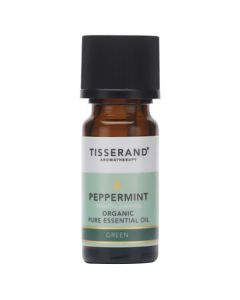
  1. Tisserand Peppermint Oil - Organic (20ml)
    Tisserand Peppermint Oil - Organic (20ml)
    €19.95
  2. Tisserand Rosemary Oil - Organic (20ml)
    Tisserand Rosemary Oil - Organic (20ml)
    €21.25
  3. Tisserand Outdoor Kit
    Tisserand Outdoor Kit
    €16.95
  4. Tisserand Lavender Oil - Organic (20ml)
    Tisserand Lavender Oil - Organic (20ml)
    €26.49
  5. Tisserand Peppermint Oil - Organic (9ml)
    Tisserand Peppermint Oil - Organic (9ml)
    €11.16 €13.95
    _
  6. Tisserand Ethically Harvested Lavender Oil (20ml)
    Tisserand Ethically Harvested Lavender Oil (20ml)
    €23.53
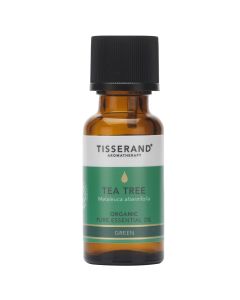
  7. Tisserand Organic Tea Tree Oil (20ml)
    Tisserand Organic Tea Tree Oil (20ml)
    €21.96
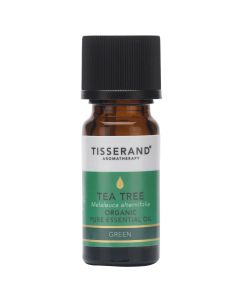
  8. Tisserand Organic Tea Tree Oil (9ml)
    Tisserand Organic Tea Tree Oil (9ml)
    €13.95
  9. Tisserand Rosemary Oil - Organic (9ml)
    Tisserand Rosemary Oil - Organic (9ml)
    €15.25
  10. Tisserand Peppermint Oil - Organic (9ml)
    Tisserand Peppermint Oil - Organic (9ml)
    €13.95
  11. Tisserand Lemongrass Oil - Organic (9ml)
    Tisserand Lemongrass Oil - Organic (9ml)
    €11.96
  12. Tisserand Lemon Oil - Organic (9ml)
    Tisserand Lemon Oil - Organic (9ml)
    €11.96
  13. Tisserand Lavender Oil - Ethically Harvested (9ml)
    Tisserand Lavender Oil - Ethically Harvested (9ml)
    €13.95
  14. Tisserand Citronella Oil - Organic (9ml)
    Tisserand Citronella Oil - Organic (9ml)
    €10.75

Eating for a Healthy Glow


When it comes to achieving healthy, radiant skin, there’s no single “superfood” that can transform your complexion overnight. Skin health is influenced by a wide range of factors, including genetics, age, sleep quality, stress levels, sun exposure, and overall lifestyle habits.

That said, nutrition plays a valuable supporting role. The foods you eat provide essential nutrients that help maintain the structure, function, and resilience of your skin. Rather than focusing on one ingredient, it’s the overall pattern of your diet that has the greatest impact over time.

The Link Between Nutrition and Skin Health

Your skin is your body’s largest organ, and like all organs, it relies on a steady supply of nutrients to function properly. These nutrients support key processes such as collagen production, cell renewal, hydration, and protection from environmental damage. When your body is well nourished, your skin is better equipped to look and feel its best.

Below are some of the most important nutrients involved in maintaining healthy looking skin.

Key Nutrients for Radiant Skin

Vitamin C – Supporting Firmness and Repair

Vitamin C plays a central role in producing collagen, the protein responsible for keeping skin firm and structured. As we age, collagen production naturally declines, which can contribute to loss of elasticity.

In addition to supporting collagen, vitamin C helps protect the skin from oxidative stress and supports natural repair processes, making it an essential nutrient for maintaining a more resilient and refreshed appearance.

Vitamin E – Protecting Against Daily Stress

Vitamin E is a powerful antioxidant that helps defend skin cells from environmental stressors such as pollution and UV exposure. These stressors can contribute to premature skin ageing over time.

By supporting the skin’s protective barrier, vitamin E helps maintain smoothness and overall skin integrity, making it an important part of long-term skin health.

Omega 3 Fatty Acids – Maintaining Hydration

Omega 3 fatty acids are essential fats that help support the skin’s natural barrier. This barrier plays a key role in keeping moisture in and irritants out.

When the skin barrier is functioning well, the skin tends to feel more hydrated, supple, and comfortable. Omega 3s can also support overall skin balance, particularly in maintaining softness and reducing dryness.

Zinc – Supporting Renewal and Clarity

Zinc is involved in many processes related to skin health, particularly repair and renewal. It supports the body’s natural healing mechanisms, helping the skin recover from minor damage and maintain a clearer appearance.

It also plays a role in regulating oil production and supporting immune function within the skin.

Vitamin A and Carotenoids – Encouraging Skin Renewal

Vitamin A and carotenoids are important for skin cell turnover the continuous process of shedding old skin cells and replacing them with new ones.

Efficient cell turnover helps maintain a smoother, more even surface and supports a fresher, healthier look. These nutrients also contribute to maintaining the skin’s overall structure and function.

Protein – Building Strong Skin

Protein is essential for the formation of collagen and elastin, the structural components that give skin its strength, elasticity, and resilience.

Without adequate protein intake, the body may struggle to maintain these structures, which can impact the skin’s firmness over time. Including sufficient protein in the diet helps support the ongoing maintenance and repair of skin tissues.

Supporting Nutrients

Biotin, Niacin, and Selenium

In addition to the key nutrients above, several others play supporting roles:

  • Biotin is often associated with maintaining healthy-looking skin, hair, and nails.
  • Niacin (Vitamin B3) supports energy production within skin cells and helps maintain normal skin function.
  • Selenium contributes to antioxidant defences, helping protect cells from oxidative stress.

While these nutrients may not work alone, they contribute to the overall system that keeps skin functioning optimally.

The Importance of Hydration

Hydration is just as important as nutrition when it comes to skin health. Water supports skin elasticity, helps maintain moisture levels, and aids in overall skin function.

Even mild dehydration can leave skin looking dull or feeling dry, so consistent fluid intake is essential for maintaining a healthy glow.

Lifestyle Still Matters

While nutrition is important, it works best alongside healthy lifestyle habits. Adequate sleep, stress management, regular physical activity, and sun protection all play major roles in how your skin looks and feels.

For example:

  • Poor sleep can affect skin recovery
  • Chronic stress may impact skin balance
  • Excess sun exposure can accelerate skin ageing

A combined approach will always deliver better results than focusing on diet alone.

By focusing on a wide range of nutrient-rich foods, staying hydrated, and taking care of your overall wellbeing, you give your skin the best possible foundation to look healthy, strong, and naturally radiant.