Research

Ashwagandha: A Rooted Approach to Modern Stress


Modern life rarely asks us to pause. Stress no longer feels occasional. It is constant. It accompanies us every day. Emails before breakfast, coffee-fuelled mornings, back-to-back meetings - we are constantly bombarded by notifications that never seem to stop. It is no wonder our brains feel exhausted by mid-afternoon, yet we find ourselves wide awake by bedtime, unable to switch off and fall asleep. This is the “tired but wired” rhythm of modern life: high demand, low recovery and very little space to unwind. Over time, this constant state of alertness can leave us feeling depleted, emotionally stretched and disconnected from the calm our bodies naturally crave.

This is where adaptogenic herbs have gained a lot of attention, with ashwagandha becoming one of the standout botanicals in modern wellbeing. This blog explores its benefits, with a focus on stress, mood, and emotional wellbeing.

Meet the root

Ashwagandha, or Withania somnifera, is a botanical root traditionally known as a rasayana herb, meaning it has been used to support vitality, restoration and adaptation. Traditionally used in Ayurvedic practice, and now widely studied in clinical research, ashwagandha has been explored for perceived stress, cortisol regulation, sleep quality, anxiety-related scores, mood, cognitive function and resilience.16 Its key active compounds include withanolides, withaferin A, sitoindosides, alkaloids, saponins and flavonoids. These compounds are thought to contribute to its adaptogenic, antioxidant, anti-inflammatory, neuroprotective and stress-modulating activity.7,8 Rather than acting like a sedative, ashwagandha appears to work more like a stress-response modulator. In other words, it may help the body respond to stress more appropriately, especially when the nervous system feels as though it is permanently switched on.

How can ashwagandha help the body adapt to stress?

Part of what makes Withania somnifera so compelling for modern stress is the way it appears to interact with the body’s own stress-response system. When we feel under pressure, whether from work, poor sleep, emotional strain or the constant pace of everyday life, the body responds through a whole-body network involving the brain, hormones and nervous system.

At the centre of this response is the HPA axis, the communication pathway between the hypothalamus, pituitary gland and adrenal glands. This system helps regulate cortisol, one of our primary stress hormones.

Cortisol is not “bad”. We need it to wake up, focus, mobilise energy in the body and respond to challenges. The issue is not cortisol itself, but how well it is regulated. When stress is constant and recovery is poor, the stress response can stay activated for too long. This may contribute to that familiar modern pattern of feeling wired, reactive, mentally scattered, emotionally stretched or unable to fully relax. Clinical research suggests ashwagandha may help support healthier stress responses by influencing perceived stress, anxiety-related scores and cortisol levels.6,9

Ashwagandha has also been explored for its effects on GABAergic and serotonergic pathways, alongside antioxidant, anti-inflammatory and neuroprotective mechanisms. This may help explain why scientific interest now extends beyond stress alone, into areas such as sleep quality, mood, cognitive function and wider mental wellbeing.3,4,10

Thus, while ashwagandha has a long history of traditional use, modern research is now beginning to explore how this ancient root may support the way we adapt to pressure, recover from stress and find it easier to switch off.

How does this ancient root fit into modern life?

Ashwagandha for stress and cortisol

Ashwagandha appears to be most compelling as a stress-response modulator, helping the body respond to pressure. A 2024 systematic review and meta-analysis of randomised controlled trials found that ashwagandha significantly reduced perceived stress, anxiety and serum cortisol compared with placebo, with studied doses ranging from 125mg to 600mg daily for 30 to 90 days.11 A more recent 2025 meta-analysis also reported reductions in cortisol, perceived stress and anxiety scores in adults taking ashwagandha.12

This is supported by an 8-week randomised, double-blind, placebo-controlled trial in adults with self-reported high stress, where 125mg, 250mg and 500mg daily of a standardised Withania somnifera extract were associated with improvements in perceived stress and anxiety-related scores, alongside changes in stress biomarkers including cortisol, ACTH and salivary alpha-amylase.13

Ashwagandha for anxiety

A 2025 systematic review and meta-analysis of 14 randomized controlled trials (713 participants with mental health disorders) found that ashwagandha supplementation, typically 600 mg/day for around 8 weeks, was associated with significant reductions in anxiety symptoms and perceived stress, as measured by validated rating scales, as well as improvements in sleep quality. Evidence for depression symptoms was less consistent. The authors concluded that the strongest support was for anxiety-related outcomes, although substantial variation between studies means larger trials are still needed.14

Ashwagandha for mood and emotional resilience

Low mood rarely exists in isolation. It can sit alongside long-term stress, poor sleep, low motivation, emotional overload and that feeling of being depleted but unable to properly rest.

Emerging human research suggests ashwagandha may have a role in supporting mood, particularly where low mood overlaps with anxiety and stress. A 2024 study reported that ashwagandha root extract may support cognition, energy and mood-related problems in adults.15

Another randomised, double-blind, placebo-controlled study using a standardised ashwagandha root extract with piperine reported improvements in symptoms of anxiety and depression, with changes in serotonin levels also observed.10

Ashwagandha for sleep and the “tired but wired” pattern

This is where the story comes back to the modern “tired but wired” pattern. Body feels exhausted, but the nervous system is still on high alert.

Ashwagandha does not appear to act like a sedative. Instead, its sleep-related benefits may be linked to its effects on stress regulation, cortisol and nervous system balance.11,16

Ashwagandha supplementation has also been associated with improvements in some measures of memory, vigilance, attention and executive function, while decreasing perceptions of tension and fatigue in younger healthy individuals.17

Ashwagandha and immunity: the stress connection

Chronic stress can influence immune function, inflammatory signalling and the body’s ability to maintain resilience. When the stress response stays activated for too long, it can affect much more than how we feel mentally, it can also influence how the body communicates and adapts physically.

A 2023 review describes ashwagandha’s potential role in helping to balance cellular immune responses, with proposed effects on cytokine modulation, T-cell proliferation and macrophage function.18,19

In a randomised, double-blind, placebo-controlled pilot study in healthy adults, 60mg daily of a standardised ashwagandha root and leaf extract for 30 days significantly increased several immune markers, including immunoglobulins, cytokines and lymphocyte markers.20

Overall, the research shows that ashwagandha can support stress, anxiety, cortisol regulation, sleep, mood and resilience. With its long history of traditional use and growing scientific interest, this ancient root offers meaningful support for today’s high-pressure, low-recovery way of living.

Building a recovery routine

Ashwagandha may help support the body’s stress response, but it works best alongside the daily habits that support the body’s natural ability to adapt, recover and restore balance.

Dietary support for stress, anxiety and mood

  • Support blood sugar balance - Blood sugar dips can make the body feel more stressed, wired or irritable. Aim for meals that combine protein, fibre, healthy fats and slow-release carbohydrates, rather than relying on caffeine or quick sugary snacks for energy. Try: porridge with seeds and nut butter, eggs with sourdough and avocado, lentil soup with olive oil, or salmon with vegetables and quinoa.
  • Include magnesium-rich foods - Magnesium is important for nervous system function, relaxation and the stress response. Research shows that magnesium supplementation can reduce stress scores in adults with low magnesium levels, and when combined with additional vitamin B6, it can increase benefits further for those with severe or extremely severe stress.21Try: pumpkin seeds, leafy greens, almonds, cashews, legumes, wholegrains and cacao.
  • Keep caffeine earlier in the day - For some people, caffeine can contribute to the “tired but wired” pattern, especially when it is used to push through fatigue or when taken later in the day. Keeping caffeine to a maximum of two cups in the morning may help reduce evening alertness and support the body’s natural wind-down rhythm.

Lifestyle support for stress recovery and sleep

  • Create a clear evening transition - The nervous system often needs a signal that the day is ending. Dim lights after dinner, reduce stimulating tasks and give yourself a buffer between work, screens and sleep. Evening exposure to light-emitting devices has been shown to suppress melatonin (our sleep hormone), delaying the circadian clock, increasing the time it takes to fall asleep and reducing next-morning alertness.22
  • Use slow breathing techniques - Slow breathing, especially with longer exhales, can be a simple way to support the shift from stress mode into recovery mode. Five minutes of daily breathwork can improve mood and reduce physiological arousal. Try: inhale gently through the nose, then take a small second inhale, followed by a long, slow exhale. Repeat for 3 to 5 minutes.
  • Move daily - Exercise can support mood, energy and stress resilience.
  • Don’t forget about recovery - short pauses, daylight, breathwork, regular meals, gentle movement and an intentional evening routine all help send the same message to the nervous system: the pressure has passed, and it is safe to unwind.

Ashwagandha and its botanical partners

Since modern stress is rarely driven by one pathway, ashwagandha can be paired strategically with other botanicals to support different aspects of mental wellbeing, from emotional balance and stress resilience to fatigue, focus and the inflammation-mood connection.

Saffron for mood and emotional wellbeing

Saffron has one of the strongest mood-focused botanical evidence bases. Clinical studies and meta-analyses suggest saffron may support depressive symptoms, anxiety-related outcomes and psychological wellbeing, potentially through serotonergic, GABAergic, antioxidant, anti-inflammatory, neuroendocrine and neuroprotective actions.2325

Turmeric for the inflammation-mood connection

Turmeric, and particularly its best-known active compound curcumin, has been studied in relation to mood and anxiety-related outcomes, especially where inflammation and oxidative stress may be part of the picture.2628

Rhodiola for stress fatigue and performance pressure

Rhodiola is another adaptogen traditionally used for fatigue and resilience. Research suggests it may support stress-related fatigue, mental performance, concentration and stress-related mood symptoms, making it particularly relevant when pressure is linked with low energy, poor recovery and high cognitive demand.2931

Modern stress sometimes looks like functioning well while feeling constantly switched on. Ashwagandha offers a compelling bridge between traditional botanical use and modern stress science. Used alongside nourishing food, sleep, movement, caffeine moderation and healthy dietary habits, ashwagandha can become a practical part of a daily stress resilience routine.


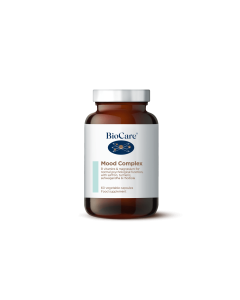
  1. BioCare Mood Complex (60cps)
    BioCare Mood Complex (60cps)
    €46.50

References

  1. Alsanie SA, Alhodieb FS, Askarpour M. Effects of ashwagandha (Withania somnifera) on mental health in adults: A systematic review and dose–response meta-analysis of randomized controlled trials. Complement Ther Med. 2026;97. doi:10.1016/j.ctim.2026.103325
  2. Akhgarjand C, Asoudeh F, Bagheri A, et al. Does Ashwagandha supplementation have a beneficial effect on the management of anxiety and stress? A systematic review and meta-analysis of randomized controlled trials. Phytother Res. 2022;36(11):4115-4124. doi:10.1002/PTR.7598
  3. Speers AB, Cabey KA, Soumyanath A, Wright KM. Effects of Withania somnifera (Ashwagandha) on Stress and the Stress- Related Neuropsychiatric Disorders Anxiety, Depression, and Insomnia. Curr Neuropharmacol. 2021;19(9):1468-1495. doi:10.2174/1570159X19666210712151556
  4. Lopresti AL, Smith SJ, Malvi H, Kodgule R, Wane D. An investigation into the stress-relieving and pharmacological actions of an ashwagandha (Withania somnifera) extract: A randomized, double-blind, placebo-controlled study. Medicine. 2019;98(37). doi:10.1097/MD.0000000000017186
  5. Fatima K, Malik J, Muskan F, et al. Safety and efficacy of Withania somnifera for anxiety and insomnia: Systematic review and meta-analysis. Hum Psychopharmacol. 2024;39(6). doi:10.1002/HUP.2911
  6. Cheah KL, Norhayati MN, Yaacob LH, Rahman RA. Effect of Ashwagandha (Withania somnifera) extract on sleep: A systematic review and meta-analysis. PLoS One. 2021;16(9). doi:10.1371/JOURNAL.PONE.0257843
  7. Remenapp A, Coyle K, Orange T, et al. Efficacy of Withania somnifera supplementation on adult’s cognition and mood. J Ayurveda Integr Med. 2022;13(2). doi:10.1016/j.jaim.2021.08.003
  8. Salve J, Pate S, Debnath K, Langade D. Adaptogenic and Anxiolytic Effects of Ashwagandha Root Extract in Healthy Adults: A Double-blind, Randomized, Placebo-controlled Clinical Study. Cureus. 2019;11(12). doi:10.7759/CUREUS.6466
  9. Akhgarjand C, Asoudeh F, Bagheri A, et al. Does Ashwagandha supplementation have a beneficial effect on the management of anxiety and stress? A systematic review and meta-analysis of randomized controlled trials. Phytother Res. 2022;36(11):4115-4124. doi:10.1002/PTR.7598
  10. Majeed M, Nagabhushanam K, Murali A, Vishwanathan DT, Mamidala R V., Mundkur L. A Standardized Withania somnifera (Linn.) Root Extract with Piperine Alleviates the Symptoms of Anxiety and Depression by Increasing Serotonin Levels: A Double-Blind, Randomized, Placebo-Controlled Study. Journal of integrative and complementary medicine. 2024;30(5):459-468. doi:10.1089/JICM.2023.0279
  11. Arumugam V, Vijayakumar V, Balakrishnan A, et al. Effects of Ashwagandha (Withania Somnifera) on stress and anxiety: A systematic review and meta-analysis. EXPLORE. 2024;20(6):103062. doi:10.1016/J.EXPLORE.2024.103062
  12. Hassoulas A, Mccrum R, Patel A, et al. Effects of Ashwagandha Supplements on Cortisol, Stress, and Anxiety Levels in Adults: A Systematic Review and Meta-Analysis. BJPsych Open. 2025;11(S1):S39-S39. doi:10.1192/BJO.2025.10136
  13. Pandit S, Srivastav AK, Sur TK, Chaudhuri S, Wang Y, Biswas TK. Effects of Withania somnifera Extract in Chronically Stressed Adults: A Randomized Controlled Trial. Nutrients. 2024;16(9):1293. doi:10.3390/NU16091293/S1
  14. Marchi M, Grenzi P, Travascio A, et al. The effect of Withania somnifera (Ashwagandha) on mental health symptoms in individuals with mental disorders: systematic review and meta-analysis. BJPsych Open. 2025;11(6):e260. doi:10.1192/BJO.2025.10885
  15. Kale S, Lopresti A, Suri R, Garg N, Langade D, Mbbs RS. Safety and Efficacy of Ashwagandha Root Extract on Cognition, Energy and Mood Problems in Adults: Prospective, Randomized, Placebo-Controlled Study. Published online 2024. doi:10.1080/02791072.2024.2424279
  16. Pandit S, Srivastav AK, Sur TK, Chaudhuri S, Wang Y, Biswas TK. Effects of Withania somnifera Extract in Chronically Stressed Adults: A Randomized Controlled Trial. Nutrients. 2024;16(9):1293. doi:10.3390/NU16091293/S1
  17. Leonard M, Dickerson B, Estes L, et al. Acute and Repeated Ashwagandha Supplementation Improves Markers of Cognitive Function and Mood. Nutrients. 2024;16(12). doi:10.3390/NU16121813
  18. Alanazi HH, Elfaki E. The immunomodulatory role of withania somnifera (L.) dunal in inflammatory diseases. Front Pharmacol. 2023;14:1084757. doi:10.3389/FPHAR.2023.1084757/TEXT
  19. Mikulska P, Malinowska M, Ignacyk M, et al. Ashwagandha (Withania somnifera)—Current Research on the Health-Promoting Activities: A Narrative Review. Pharmaceutics 2023, Vol 15, Page 1057. 2023;15(4):1057. doi:10.3390/PHARMACEUTICS15041057
  20. Tharakan A, Shukla H, Benny IR, Tharakan M, George L, Koshy S. Immunomodulatory effect of withania somnifera (Ashwagandha) extract—A randomized, double-blind, placebo controlled trial with an open label extension on healthy participants. J Clin Med. 2021;10(16):3644. doi:10.3390/JCM10163644/S1
  21. Pouteau E, Kabir-Ahmadi M, Noah L, et al. Superiority of magnesium and vitamin B6 over magnesium alone on severe stress in healthy adults with low magnesemia: A randomized, single-blind clinical trial. PLoS One. 2018;13(12):e0208454. doi:10.1371/JOURNAL.PONE.0208454
  22. Chang AM, Aeschbach D, Duffy JF, Czeisler CA. Evening use of light-emitting eReaders negatively affects sleep, circadian timing, and next-morning alertness. Proc Natl Acad Sci U S A. 2015;112(4):1232-1237. doi:10.1073/PNAS.1418490112;WGROUP:STRING:PUBLICATION
  23. Mahmoudi R, Mohammadi-Sartang M, Servatyari K, Rafieipour N. Effect of saffron on depression, anxiety and mood disorder: a GRADE assessed systematic review and meta-analysis of 34 randomized controlled trials. Nutr Neurosci. Published online 2026. doi:10.1080/1028415X.2025.2602153
  24. Yang X, Chen X, Fu Y, et al. Comparative efficacy and safety of Crocus sativus L. for treating mild to moderate major depressive disorder in adults: a meta-analysis of randomized controlled trials. Neuropsychiatr Dis Treat. 2018;14:1297-1305. doi:10.2147/NDT.S157550
  25. Khaksarian M, Behzadifar M, Behzadifar M, et al. The efficacy of Crocus sativus (Saffron) versus placebo and Fluoxetine in treating depression: a systematic review and meta-analysis. Psychol Res Behav Manag. 2019;12:297-305. doi:10.2147/PRBM.S199343
  26. Yaikwawong M, Jansarikit L, Jirawatnotai S, Chuengsamarn S. Curcumin Reduces Depression in Obese Patients with Type 2 Diabetes: A Randomized Controlled Trial. Nutrients. 2024;16(15). doi:10.3390/NU16152414
  27. Yuan J, Pi C, Shen H, et al. Potential therapeutic benefits of curcumin in depression or anxiety induced by chronic diseases: a systematic review of mechanistic and clinical evidence. Front Pharmacol. 2025;16. doi:10.3389/FPHAR.2025.1638645
  28. Fathi S, Agharloo S, Falahatzadeh M, et al. Effect of curcumin supplementation on symptoms of anxiety: A systematic review and meta-analysis of randomized controlled trials. Clin Nutr ESPEN. 2024;62:253-259. doi:10.1016/j.clnesp.2024.05.017
  29. Anghelescu IG, Edwards D, Seifritz E, Kasper S. Stress management and the role of Rhodiola rosea: a review. Int J Psychiatry Clin Pract. 2018;22(4):242-252. doi:10.1080/13651501.2017.1417442
  30. Bangratz M, Abdellah SA, Berlin A, et al. A preliminary assessment of a combination of rhodiola and saffron in the management of mild–moderate depression. Neuropsychiatr Dis Treat. 2018;14:1821. doi:10.2147/NDT.S169575
  31. Anghelescu IG, Edwards D, Seifritz E, Kasper S. Stress management and the role of Rhodiola rosea: a review. Int J Psychiatry Clin Pract. 2018;22(4):242-252. doi:10.1080/13651501.2017.1417442

 

Gardening with Essential Oils: A Natural Approach to Pest Control Essential Oils


Essential oils are becoming a powerful tool for natural pest control, helping gardeners protect both indoor and outdoor plants without relying on harsh chemicals. Unlike traditional pesticides, which often kill beneficial insects alongside pests, essential oils can help target common garden problems while supporting pollinators like bees and butterflies. From deterring aphids and fungus gnats to promoting a healthier, more balanced garden ecosystem, essential oils offer an eco-conscious approach to Integrated Pest Management that’s safer for your plants, pollinators, and the environment.

Common Gardening Problems & Essential Oil Solutions

1. Soil Health & Fungal Growth

Fungal problems thrive in damp, stagnant conditions and often begin in the soil before becoming visible.

Common Issues

  • Fungus Gnats
  • Thrips (pupae stage)
  • Powdery Mildew
  • Soil Mold

Best Oils

Tea Tree or Lemon

How They Work

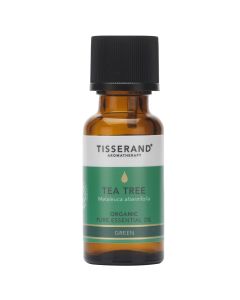
Tea Tree oil contains terpinen-4-ol, a natural antifungal compound that disrupts fungal cell membranes. Reducing fungal growth also removes food sources for pests like fungus gnat larvae.

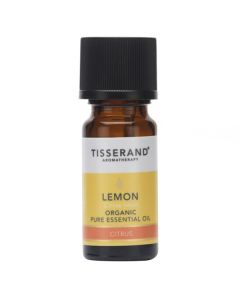
Lemon essential oil breaks down the fungal spore walls as it is a natural fungistat (stops fungal reproduction).

Applications

Soil Drench (Indoor & Outdoor)
  • 5 drops Tea Tree oil
  • 2 tsp natural washing-up liquid
  • 1 litre water
  • Stir until cloudy and water directly into the soil.
Foliage Spray
  • 10 drops Lemon or Tea Tree oil
  • 1 tsp natural washing-up liquid
  • 500ml water
  • Shake well and lightly mist leaves affected by mildew.

2. Masking Plant Scents

Many pests locate plants through scent. Essential oils can create a “scent barrier” that confuses insects and prevents them finding host plants.

Common Issues

  • Aphids
  • Cabbage White Butterflies
  • Mosquitoes & Flies

Best Oils

Lavender or Rosemary

How They Work

Strong aromatic oils overwhelm insects’ sensory receptors, masking the scent of vulnerable plants.

Applications

Scented Stakes (Outdoor)
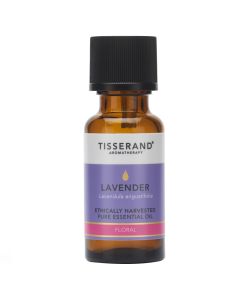
  • Soak ribbons in Lavender oil
  • Tie them to bamboo canes
  • Place them every few feet in your vegetable patch or border garden
Perimeter Spray (Indoor & Outdoor)
  • 10–20 drops Rosemary oil
  • 1 tsp natural washing-up liquid
  • 500ml water
  • Shake well to combine

3. Disrupting Pheromone Trails

Ants and spiders rely on scent trails to navigate. Essential oils can interrupt these invisible pathways.

Common Issues

  • Ants
  • Spiders

Best Oils

Peppermint or Lemon

How They Work

Peppermint’s menthol and Lemon’s d-limonene acts as both an irritant and a “chemical eraser,” disrupting pheromone trails and preventing insects from returning.

For spiders, the d-limonene and Citral in Lemon essential oil creates an overwhelming scent that signals the area is chemically hostile, forcing them to relocate.

Applications

Cotton Ball Method (Indoor)
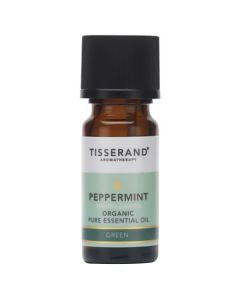
  • Add 2–3 drops Peppermint oil to cotton balls
  • Place near pots, windowsills or entry points.
Trail Eraser Spray
  • 15–20 drops Lemon oil
  • 1 tsp natural washing-up liquid
  • 500ml water
  • Spray directly onto ant trails, doorframes, windowsills and plant pots.

4. Soft-Bodied Pests & Surface Protection

Some pests require stronger deterrents that disrupt their protective outer layers.

Common Issues

  • Spider Mites
  • Slugs & Snails
  • Mealybugs
  • Thrips

Best Oils

Lemongrass or Peppermint

How They Work

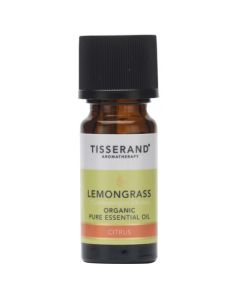
Lemongrass contains citral, which helps break down the waxy coatings of pests like mealybugs and mites. Peppermint’s intense cooling sensation deters slugs and snails.

Applications

Pest Treatment Spray (Indoor)
  • 6–8 drops Lemongrass oil
  • 1.5 tsp natural washing-up liquid
  • 500ml water
  • Spray thoroughly across the plant, especially affected areas, to remove pests and help prevent new infestations.
High-Intensity Barrier Spray (Outdoor)
  • 15–20 drops Peppermint oil
  • 1.5 tsp natural washing-up liquid
  • 500ml water
  • Apply around pots, greenhouse legs, gates or create a 3-inch protective ring around plants.

How Essential Oils Support Pollinators

Encouraging bees and butterflies improves both garden productivity and biodiversity.

Benefits Include:

  • Higher food yields and better-quality produce
  • Improved biodiversity and natural pest balance
  • Increased seed production and future blooms
  • Support for declining pollinator populations

Even small gardens or balconies can become valuable safe spaces for pollinators.

Best Oils

  • Lemongrass
  • Lavender
  • Orange
  • Bergamot

Timing Cheat Sheet

For best results, consistency is key when using natural pest control methods. Use the timing guide below to help maintain protection, break pest life cycles and keep your garden healthy year-round.

Task

Frequency

Why?

Pest Infestations

Every 2–3 days

To break the life cycle of fast-breeding pests like Aphids or Thrips.

Preventative Barriers

Every 5–7 days

To maintain a "scent cloud" that masks your plants from scouts.

Soil Drench (Fungus/Gnats)

Every 7–10 days

To catch larvae as they hatch from the soil.

Pollinator Attractants

Every 3–4 days

Volatile oils like Lavender and Orange evaporate quickly in the sun.

After Rainfall

Immediately

Rain washes away the soap/oil emulsion, leaving your plants unprotected.


Safety Information:

Remember: Essential oils are powerful chemical compounds that can be dangerous is not used correctly, especially around children and pets.

Child Safety

  • Store essential oils and DIY sprays out of children’s reach, ideally in locked cupboards or on high shelves
  • Clearly label all homemade solutions with contents and mixing dates, and never reuse food or drink containers.
  • Children helping in the garden should not handle concentrated oils or treatment sprays.

Animal & Pet Safety

  • Pets have a much more sensitive sense of smell than humans and their livers process compounds differently.
  • Tea Tree and Peppermint oils can be toxic to cats and dogs if ingested or absorbed in high concentrations.
  • Keep pets out of treated areas until any sprays or treatments have completely dried. 
  • Avoid spraying plants pets regularly chew on or can easily access.
  • If using high-aroma barrier sprays indoors, keep rooms ventilated and ensure pets can leave the area freely.

Plant Safety

Essential oils can be damaging to plant tissues if used incorrectly.

  • Never spray during direct sunlight to avoid leaf scorch. Always apply in the early evening.
  • Patch test each plant 24 hours before full application.
  • Avoid spraying dehydrated or wilted plants – water them a few hours before so their cells are resilient.
  • Do not use oil sprays on “hairy” plants such as African Violets or tomato leaves, as the hairs trap the oil against the surface leading to rot.

Protecting Beneficial Insects

Good pest management protects pollinators and helpful insects too.

  • Avoid spraying entire gardens unnecessarily, treat only affected plants.
  • Never spray directly onto open flowers where bees and butterflies feed, focus sprays on leaves and stems instead.

CREDIT TISSERAND BLOG Gardening with Essential Oils: A Natural Approach to Pest Control – Tisserand

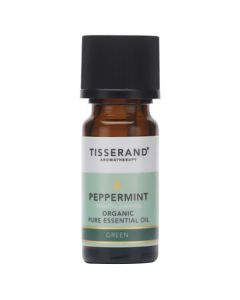
  1. Tisserand Peppermint Oil - Organic (20ml)
    Tisserand Peppermint Oil - Organic (20ml)
    €19.95
  2. Tisserand Rosemary Oil - Organic (20ml)
    Tisserand Rosemary Oil - Organic (20ml)
    €21.25
  3. Tisserand Outdoor Kit
    Tisserand Outdoor Kit
    €16.95
  4. Tisserand Lavender Oil - Organic (20ml)
    Tisserand Lavender Oil - Organic (20ml)
    €26.49
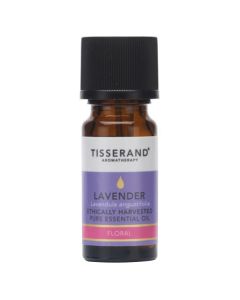
  5. Tisserand Lavender Oil - Ethically Harvested (9ml)
    Tisserand Lavender Oil - Ethically Harvested (9ml)
    €11.16 €13.95
    _
  6. Tisserand Ethically Harvested Lavender Oil (20ml)
    Tisserand Ethically Harvested Lavender Oil (20ml)
    €23.53
  7. Tisserand Organic Tea Tree Oil (20ml)
    Tisserand Organic Tea Tree Oil (20ml)
    €21.96
  8. Tisserand Organic Tea Tree Oil (9ml)
    Tisserand Organic Tea Tree Oil (9ml)
    €13.95
  9. Tisserand Rosemary Oil - Organic (9ml)
    Tisserand Rosemary Oil - Organic (9ml)
    €15.25
  10. Tisserand Peppermint Oil - Organic (9ml)
    Tisserand Peppermint Oil - Organic (9ml)
    €13.95
  11. Tisserand Lemongrass Oil - Organic (9ml)
    Tisserand Lemongrass Oil - Organic (9ml)
    €11.96
  12. Tisserand Lemon Oil - Organic (9ml)
    Tisserand Lemon Oil - Organic (9ml)
    €11.96
  13. Tisserand Lavender Oil - Ethically Harvested (9ml)
    Tisserand Lavender Oil - Ethically Harvested (9ml)
    €13.95
  14. Tisserand Citronella Oil - Organic (9ml)
    Tisserand Citronella Oil - Organic (9ml)
    €10.75

Magnesium for Performance: The Essential Mineral for Movement, Recovery and Energy


Feeling Tired, Tight, or Slow to Recover? You Might Be Missing This One Mineral

You’re eating well. You’re staying active. You’re doing all the “right” things.

But you still feel:

  • Low on energy
  • Tight or sore
  • Slow to recover

One often overlooked factor is magnesium.

This essential mineral plays a key role in muscle function, energy production, and  recovery, yet many people may not get enough through diet alone.

Why Magnesium Matters More Than You Think

Magnesium is involved in over 300 processes in the body. From muscle contraction and relaxation to energy production and electrolyte balance, magnesium supports many systems that help keep you active and feeling your best. That's why it's often considered an essential nutrient for both exercise performance and everyday wellbeing.

For active lifestyles, it helps support:

  • Muscle function
  • Energy production
  • Recovery
  • Electrolyte balance

Low magnesium levels may contribute to fatigue, muscle tightness, and slower recovery after exercise.

The Muscle Connection

Magnesium supports normal muscle contraction and relaxation. When levels are low, you may notice:

·         Tightness

  • Cramps
  • Reduced flexibility

Magnesium is just one piece of the recovery puzzle, but it's an important one.

Recovery Starts With Rest

Performance isn’t just about what you do in the gym, it’s about how you recover.

Magnesium supports:

  • Better sleep
  • Relaxation
  • Nervous system balance

And better sleep = better recovery.

The Easier Way to Supplement

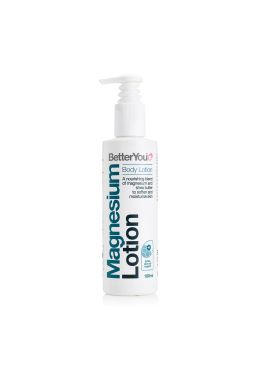
BetterYou offers simple ways to fit magnesium into your routine:

Transdermal Magnesium

  • Sprays, oils, and lotions
  • Absorbed through the skin
  • Ideal for targeted muscle support
  • Convenient daily support
  • No tablets required
  • Fast absorption
  • Easy daily use

How to Use It in Real Life

  • After workouts support recovery
  • Before bed promote relaxation
  • Daily maintain consistent levels

Consistency is what makes the difference.

Small Change, Big Impact

Magnesium won't transform everything overnight but consistent support can make a difference over time. Better movement. Better recovery. Better balance.

Explore the BetterYou magnesium range and find the option that fits easily into your daily routine.

  1. Better You Magnesium Max Lemon & Lime 250mg (135g)
    Better You Magnesium Max Lemon & Lime 250mg (135g)
    €18.95
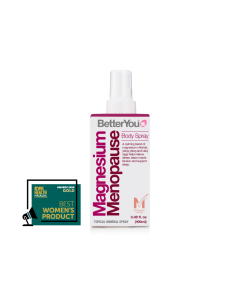
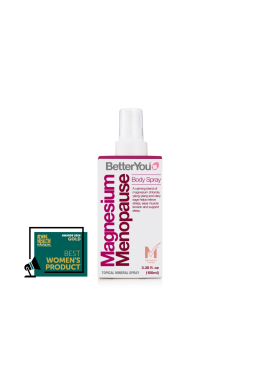
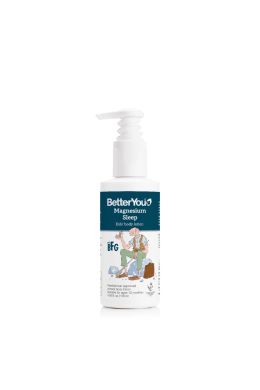
  2. Better You Magnesium Menopause Spray (100ml)
    Better You Magnesium Menopause Spray (100ml)
    €20.50
  3. Better You Magnesium Max Sleep 250mg (160g)
    Better You Magnesium Max Sleep 250mg (160g)
    €18.95
  4. Better You Magnesium Max Original 250mg (120g)
    Better You Magnesium Max Original 250mg (120g)
    €18.95
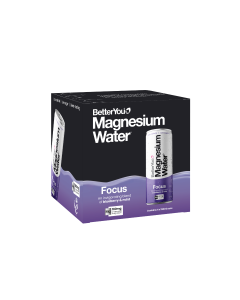
  5. Better You Magnesium Water - Focus Multipack (4x250ml)
    Better You Magnesium Water - Focus Multipack (4x250ml)
    €9.99
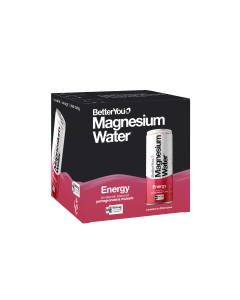
  6. Better You Magnesium Water - Energy Multipack (4x250ml)
    Better You Magnesium Water - Energy Multipack (4x250ml)
    €9.99
  7. Better You Magnesium Water - Hydrate (250ml)
    Better You Magnesium Water - Hydrate (250ml)
    €3.00
  8. Better You Magnesium Water - Focus (250ml)
    Better You Magnesium Water - Focus (250ml)
    €3.00
  9. Better You Magnesium Water - Energy (250ml)
    Better You Magnesium Water - Energy (250ml)
    €3.00
  10. Better You Magnesium Water - Hydrate Multipack (4x250ml)
    Better You Magnesium Water - Hydrate Multipack (4x250ml)
    €9.99
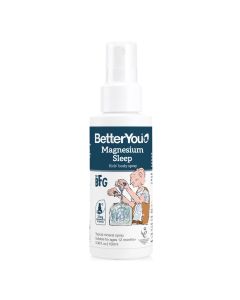
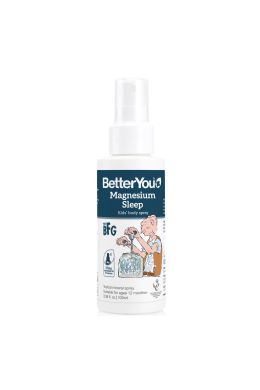
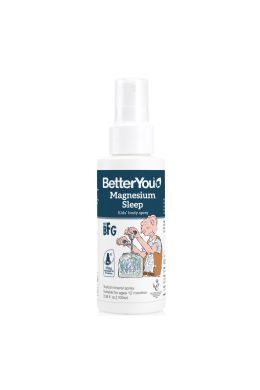
  11. Better You Kids Magnesium Sleep Spray (100ml)
    Better You Kids Magnesium Sleep Spray (100ml)
    €13.95
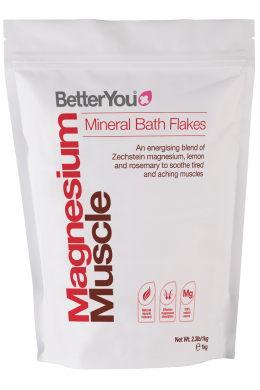
  12. Better You Magnesium Muscle Flakes 1kg
    Better You Magnesium Muscle Flakes 1kg
    €15.50
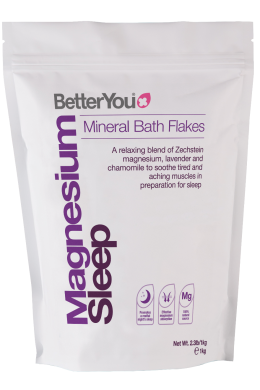
  13. Better You Magnesium Sleep Flakes 1kg
    Better You Magnesium Sleep Flakes 1kg
    €15.50
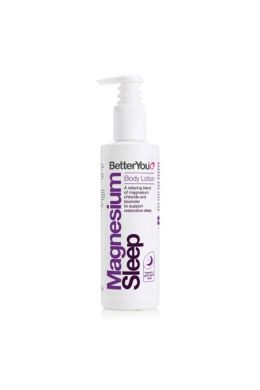
  14. Better You Magnesium Sleep Lotion (180ml)
    Better You Magnesium Sleep Lotion (180ml)
    €16.95
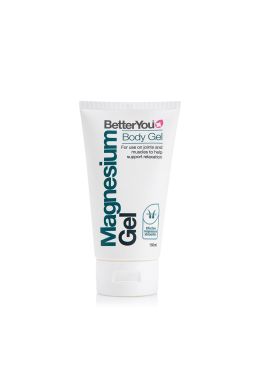
  15. Better You Magnesium Gel (150ml)
    Better You Magnesium Gel (150ml)
    €18.50
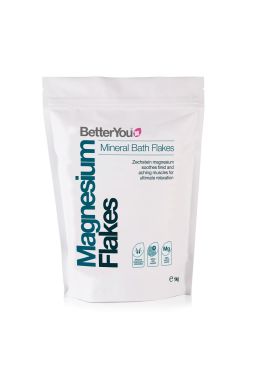
  16. Better You Magnesium Flakes (1kg)
    Better You Magnesium Flakes (1kg)
    €15.50
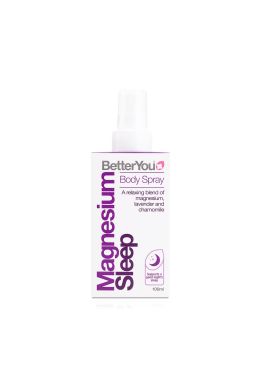
  17. Better You Magnesium Sleep Body Spray (100ml)
    Better You Magnesium Sleep Body Spray (100ml)
    €20.50
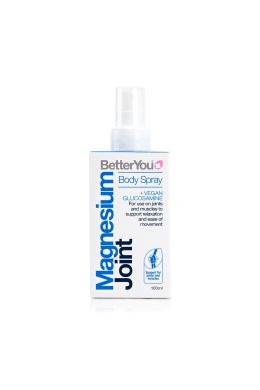
  18. Better You Magnesium Muscle Spray (100ml)
    Better You Magnesium Muscle Spray (100ml)
    €20.50
  19. Better You Magnesium Oil Original Spray (100ml)
    Better You Magnesium Oil Original Spray (100ml)
    €20.50

VERISOL® Collagen - Supporting Skin, Structure and Healthy Ageing from Within

VERISOL Collagen - Supporting Skin, Structure and Healthy Ageing from Within


Have you noticed changes in skin firmness, hydration or resilience over time? While collagen is often spoken about in beauty circles, its relevance extends far beyond appearance.

Collagen is one of the body’s most important structural proteins. It sits at the heart of connective tissue, helping to support the skin, joints, bones, tendons, ligaments and muscles.1 As we age, collagen-rich tissues naturally change over time, while environmental stressors such as UV exposure, toxins and lifestyle demands can further influence collagen breakdown and tissue integrity.2

As a result, collagen is now being viewed through a broader lens, not simply as a beauty ingredient, but as part of a wider conversation around connective tissue, structural integrity, the extracellular matrix and healthy ageing.3

What is VERISOL® collagen?

VERISOL® collagen is a patented form of bioactive collagen peptides, derived from grass-fed, pasture-raised bovine collagen. Unlike standard collagen materials, it is made up of specific hydrolysed peptides with a defined molecular weight and amino acid sequence. It is one of the most clinically researched collagen ingredients for beauty, but its relevance extends beyond that.4, 6

What makes VERISOL® collagen different from standard collagen?

Many collagen powders provide hydrolysed collagen as a source of amino acids. VERISOL® collagen was developed to go a step further. Its peptides are designed not simply to provide raw material, but to act like signalling molecules.

Since VERISOL® collagen peptides have a low molecular weight, they are highly bioavailable, and the peptides have also shown resistance to enzymatic degradation. Once absorbed, they can interact with fibroblasts, the connective tissue cells involved in collagen biosynthesis, helping to stimulate the body’s own collagen and elastin production.7 This means VERISOL® is not just about supplying collagen, it is about influencing collagen metabolism. That is one of the reasons it is often described as a targeted collagen peptide rather than a generic collagen source.8

How does VERISOL® collagen work in the body?

Collagen is a central part of the extracellular matrix, the structural network that surrounds and supports our cells. It helps give tissues strength, organisation and resilience. In the skin, collagen contributes to firmness and elasticity. In joints and connective tissue, it contributes to tensile strength and structural integrity.1 9 During tissue regeneration, type III collagen is more active in earlier phases, while type I becomes more prominent later as tissue matures and remodels.10

VERISOL® collagen peptides appear to support this process in two main ways: First, they provide collagen-derived peptides and amino acids that can contribute to the body’s structural protein pool. Second, and more importantly, they appear to act as biological messengers, stimulating fibroblast activity and promoting the synthesis of new collagen and elastin.1,10

VERISOL® collagen for beauty support

The clinical research around VERISOL® has focused heavily on visible skin outcomes, particularly skin elasticity, wrinkle appearance, hydration, cellulite and nail quality.

In one placebo-controlled trial involving 69 women aged 35 to 55, oral VERISOL® collagen was associated with improvements in skin elasticity of up to 15% after just 4 weeks, with benefits persisting at 8 weeks.11 Another study involving more than 100 women aged 45 to 65 found significant wrinkle reduction after 4 weeks, alongside a markedly higher collagen concentration in the skin.12

In a randomised controlled trial involving 105 women aged 25 to 50, 2.5g daily was shown to improve cellulite scores and reduce skin waviness by helping support the structure of the dermis and subcutaneous tissue. Improvements became more noticeable over time, with particularly visible changes after 3 to 6 months.13

Supplementation has been associated with fewer chipped or cracked nails, faster nail growth, and visible improvements in nail peeling and edge irregularity.14

Beyond beauty

Type I and III collagen are not exclusive to skin. They are fundamental to the wider connective tissue system, including tendons, ligaments, bones and the extracellular matrix that supports structural function throughout the body.9

From our mid-20s, collagen declines naturally over time, and type I collagen has been reported to decrease at a rate of around 1.5% per year. Photodamage can further inhibit collagen synthesis, while oxidative stress and everyday environmental exposure can accelerate visible and structural ageing.15

Genetic predisposition, including variants in genes such as COL1A1, MMPs and LOX, may also influence collagen production, degradation and tissue integrity. For some people, that may mean a greater need for nutritional strategies that support collagen metabolism and extracellular matrix function.10

Research also suggests collagen may have relevance beyond skin and joints. In combination with concurrent training, collagen supplementation has been associated with improved structural and cardiometabolic adaptations, including improvements in endurance performance.16

Supporting connective tissue– beyond collagen

Skin, joints, tendons, ligaments and bone all depend on a dynamic extracellular matrix, a complex structural network made up of collagen, elastin, glycosaminoglycans, minerals, water and signalling molecules. This matrix helps determine tissue strength, elasticity, hydration and resilience, which is why supporting connective tissue involves more than collagen alone.10

For this reason, a broader nutritional and lifestyle approach is often needed. Adequate dietary protein remains one of the key foundations, providing the amino acids needed for the maintenance and renewal of collagen-rich tissues.17 Hydration is equally important, particularly for skin, fascia and cartilage, where water content influences flexibility, cushioning and overall tissue function.18

Diet quality also has a direct bearing on the environment in which connective tissues are maintained. A varied, nutrient-dense diet rich in colourful plant foods provides antioxidant compounds that help protect the extracellular matrix from oxidative stress.19 Healthy fats, including omega-3 fatty acids, are also relevant, helping to support cell membrane integrity and a balanced inflammatory response.20

Movement is another essential part of the picture. Resistance exercise and weight-bearing exercise provide the stimulus needed to maintain collagen-rich tissues, particularly in relation to muscle, tendon and bone health.21 At the same time, recovery matters. Sleep, rest and appropriate training load all help determine how effectively connective tissues can repair and remodel over time.22

Whether the focus is skin firmness, hydration, joint comfort, bone strength or healthy ageing, collagen remains one of the body’s most important structural proteins. That is why collagen is no longer simply a beauty trend. It has become a far broader conversation around structural health, grounded in connective tissue biology and increasingly relevant to resilience, recovery and long-term support throughout the body. Yet collagen is only one part of the picture. Connective tissue health is ultimately shaped by the wider nutritional and lifestyle framework in which it functions.


Bibliography

  1. Wu M, Cronin K, Crane JS. Biochemistry, Collagen Synthesis. StatPearls. Published online September 4, 2023. Accessed April 15, 2026. https://www.ncbi.nlm.nih.gov/books/NBK507709/
  2. Parrado C, Mercado-Saenz S, Perez-Davo A, Gilaberte Y, Gonzalez S, Juarranz A. Environmental Stressors on Skin Aging. Mechanistic Insights. Front Pharmacol. 2019;10:759. doi:10.3389/FPHAR.2019.00759
  3. Martínez-Puig D, Costa-Larrión E, Rubio-Rodríguez N, Gálvez-Martín P. Collagen Supplementation for Joint Health: The Link between Composition and Scientific Knowledge. Nutrients. 2023;15(6):1332. doi:10.3390/NU15061332
  4. Reilly DM, Kynaston L, Naseem S, Proudman E, Laceby D. A Clinical Trial Shows Improvement in Skin Collagen, Hydration, Elasticity, Wrinkles, Scalp, and Hair Condition following 12-Week Oral Intake of a Supplement Containing Hydrolysed Collagen. Dermatol Res Pract. 2024;2024. doi:10.1155/2024/8752787
  5. Vollmer DL, West VA, Lephart ED. Enhancing Skin Health: By Oral Administration of Natural Compounds and Minerals with Implications to the Dermal Microbiome. Int J Mol Sci. 2018;19(10):3059. doi:10.3390/IJMS19103059
  6. Gibson R, Krug L, Ramsey DL, Safaei A, Aspley S. Beneficial Effects of Multi-Micronutrient Supplementation with Collagen Peptides on Global Wrinkles, Skin Elasticity and Appearance in Healthy Female Subjects. Dermatol Ther (Heidelb). 2024;14(6):1599-1614. doi:10.1007/S13555-024-01184-2
  7. Gibson R, Krug L, Ramsey DL, Safaei A, Aspley S. Beneficial Effects of Multi-Micronutrient Supplementation with Collagen Peptides on Global Wrinkles, Skin Elasticity and Appearance in Healthy Female Subjects. Dermatol Ther (Heidelb). 2024;14(6):1599-1614. doi:10.1007/S13555-024-01184-2
  8. Proksch E, Schunck M, Zague V, Segger D, Degwert J, Oesser S. Oral Intake of Specific Bioactive Collagen Peptides Reduces Skin Wrinkles and Increases Dermal Matrix Synthesis. Skin Pharmacol Physiol. 2014;27(3):113-119. doi:10.1159/000355523
  9. Juher TF, Pérez EB. [An overview of the beneficial effects of hydrolysed collagen intake on joint and bone health and on skin ageing]. Nutr Hosp. 2015;32 Suppl 1:62-66. doi:10.3305/NH.2015.32.SUP1.9482
  10. Juher TF, Pérez EB. [An overview of the beneficial effects of hydrolysed collagen intake on joint and bone health and on skin ageing]. Nutr Hosp. 2015;32 Suppl 1:62-66. doi:10.3305/NH.2015.32.SUP1.9482
  11. Singh D, Rai V, K Agrawal D. Regulation of Collagen I and Collagen III in Tissue Injury and Regeneration. Cardiol Cardiovasc Med. 2023;7(1). doi:10.26502/FCCM.92920302
  12. Proksch E, Segger D, Degwert J, Schunck M, Zague V, Oesser S. Oral supplementation of specific collagen peptides has beneficial effects on human skin physiology: A double-blind, placebo-controlled study. Skin Pharmacol Physiol. 2013;27(1):47-55. doi:10.1159/000351376
  13. Proksch E, Schunck M, Zague V, Segger D, Degwert J, Oesser S. Oral intake of specific bioactive collagen peptides reduces skin wrinkles and increases dermal matrix synthesis. Skin Pharmacol Physiol. 2014;27(3):113-119. doi:10.1159/000355523
  14. Schunck M, Zague V, Oesser S, Proksch E. Dietary Supplementation with Specific Collagen Peptides Has a Body Mass Index-Dependent Beneficial Effect on Cellulite Morphology. J Med Food. 2015;18(12):1340-1348. doi:10.1089/JMF.2015.0022;WEBSITE:WEBSITE:SAGE;REQUESTEDJOURNAL:JOURNAL:MEFA;JOURNAL:JOURNAL:MEFA;ISSUE:ISSUE:DOI
  15. Hexsel D, Zague V, Schunck M, Siega C, Camozzato FO, Oesser S. Oral supplementation with specific bioactive collagen peptides improves nail growth and reduces symptoms of brittle nails. J Cosmet Dermatol. 2017;16(4):520-526. doi:10.1111/JOCD.12393
  16. Rittié L, Fisher GJ. Natural and Sun-Induced Aging of Human Skin. Cold Spring Harb Perspect Med. 2015;5(1):a015370. doi:10.1101/CSHPERSPECT.A015370
  17. Jendricke P, Kohl J, Centner C, Gollhofer A, König D. Influence of Specific Collagen Peptides and Concurrent Training on Cardiometabolic Parameters and Performance Indices in Women: A Randomized Controlled Trial. Front Nutr. 2020;7. doi:10.3389/FNUT.2020.580918
  18. Holwerda AM, Van Loon LJC. The impact of collagen protein ingestion on musculoskeletal connective tissue remodeling: a narrative review. Nutr Rev. 2022;80(6):1497. doi:10.1093/NUTRIT/NUAB083
  19. Cederlund AA, Aspden RM. Walking on water: revisiting the role of water in articular cartilage biomechanics in relation to tissue engineering and regenerative medicine. J R Soc Interface. 2022;19(193):20220364. doi:10.1098/RSIF.2022.0364
  20. Fam VW, Charoenwoodhipong P, Sivamani RK, Holt RR, Keen CL, Hackman RM. Plant-Based Foods for Skin Health: A Narrative Review. J Acad Nutr Diet. 2022;122(3):614-629. doi:10.1016/J.JAND.2021.10.024
  21. Calder PC. Omega-3 Fatty Acids and Inflammatory Processes. Nutrients 2010, Vol 2, Pages 355-374. 2010;2(3):355-374. doi:10.3390/NU2030355
  22. Gabbett TJ, Oetter E. From Tissue to System: What Constitutes an Appropriate Response to Loading? Sports Medicine 2024 55:1. 2024;55(1):17-35. doi:10.1007/S40279-024-02126-W
  23. Das A, Gupta R, Huda F, Kumar N, Krishnan V, Basu S. Effect of sleep quality on wound healing among patients undergoing emergency laparotomy: an observational study. J Clin Sleep Med. 2025;21(3):503-512. doi:10.5664/JCSM.11442
 

Exam Stress and How to Combat It Using Aromatherapy


Exam stress is not just mental - it is physical. It can affect sleep quality, digestion, concentration, and even breathing patterns. When the nervous system becomes over-activated, it becomes harder to absorb information and maintain focus.

Aromatherapy offers a subtle but effective way to help create a more balanced internal environment during periods of intense study and examination preparation.

How Aromatherapy Affects the Brain

Essential oils interact with the limbic system, the part of the brain linked to emotion and memory. This is why certain scents can instantly trigger feelings of calm, alertness, or comfort.

By engaging the sense of smell, aromatherapy can gently influence mood and cognitive state, making it a helpful addition to study routines.

Essential Oils for Study and Stress Support

Lavender for Relaxation and Rest

Lavender is one of the most widely used essential oils for relaxation. It is often chosen for its calming and grounding aroma.

It is commonly used in evening routines to help signal the transition toward rest, supporting better sleep quality during stressful exam periods.

Rosemary for Focus and Mental Clarity

Rosemary is frequently associated with mental clarity and concentration. Many students find it helpful during study sessions as it creates a more alert and refreshed sensory environment.

Its stimulating aroma may support sustained focus during revision.

Peppermint for Energy and Refreshment

Peppermint is known for its invigorating qualities. It is often used during long study sessions when mental fatigue begins to set in.

Its fresh scent can help create a sense of renewed energy and alertness.

Practical Ways to Use Aromatherapy While Studying

Diffusers for Study Spaces

Diffusers are a popular way to maintain a consistent aromatic environment. They can help create associations between a specific scent and focused study time, supporting productivity habits.

Roller Blends for On-the-Go Use

Essential oils diluted with carrier oils can be applied to pulse points such as wrists or temples. This method offers flexibility and ease of use throughout the day.

Inhalation for Quick Stress Relief

Inhalation methods are especially useful during exams or revision breaks. A lightly scented tissue or inhaler stick can provide a quick sensory reset.

Paired with slow breathing, this can help reduce anxiety spikes and restore calm focus.

Aromatherapy as Part of a Balanced Study Routine

While aromatherapy can be supportive, it works best as part of a broader wellbeing routine.

Sleep, hydration, structured revision planning, and regular breaks remain essential for effective learning. Essential oils should be seen as supportive tools rather than standalone solutions.

When used thoughtfully, aromatherapy can help create emotional steadiness during exam periods that often feel overwhelming.

By anchoring study routines with calming or focusing scents, students can build an environment that supports both performance and wellbeing - helping them stay balanced, focused, and more at ease throughout their revision journey.


Patrick Holford - The Story Behind Optimum Nutrition Formulations


The Patrick Holford name is well known in the world of nutrition education and supplement formulation. For decades he has worked to make nutritional information more accessible and to promote the idea that diet and nutrients play an important role in everyday wellbeing.

His supplement range, developed under the Optimum Nutrition Formulations, reflects this long-standing interest in thoughtful nutrition.

Early Career and Interest in Nutrition

Patrick Holford began focusing on nutrition in the 1980s, becoming one of the early advocates for bringing nutritional education to a wider audience.

In 1984 he co-founded the Institute for Optimum Nutrition, a UK-based organisation dedicated to training nutritional therapists and promoting education around diet and lifestyle.

Since then, Holford has written numerous books exploring topics related to nutrition and lifestyle, including the well-known The Optimum Nutrition Bible, which introduced many readers to the concept of balanced nutrient intake.

Development of the Optimum Nutrition Range

The Optimum Nutrition supplement range was developed to reflect Holford’s approach to nutrient balance and thoughtful formulation.

Rather than focusing only on individual nutrients, many products in the range combine vitamins, minerals, and other nutrients in specific ratios designed to complement one another.

The range includes:

  • Multinutrient formulas
  • Individual vitamins and minerals
  • Essential fatty acids
  • Targeted nutrient blends

Each product is created with attention to ingredient quality and clear labelling so customers can easily understand what they are choosing.

The Optimum Nutrition range is structured to offer flexible choices for a variety of lifestyles: from those looking for a simple multivitamin (Essentials), to people interested in cognitive support (Mind), those who focus on active living (Body), and anyone seeking energy and metabolic support (Metabolism).

Ongoing Work and Involvement

Patrick Holford continues to be involved in education and advocacy around nutrition today. His work includes supporting nutritional education initiatives and contributing to discussions around public health and diet.

Through books, lectures, and collaborations with nutrition organisations, he remains a recognised voice in the field of nutritional education.

The Optimum Nutrition formulations reflect this long-term commitment to exploring how nutrients can be combined in practical ways for everyday use.

In recent years, Patrick Holford has focused on brain health and cognitive support, combining his experience in nutrition with a commitment to public education. He is a founder of the Food for the Brain Foundation, a UK-based charity dedicated to promoting nutrition and lifestyle approaches that support mental wellbeing and cognitive function. The charity produces educational resources, courses, and research to help people understand the connection between diet and brain performance.

Patrick has also authored a series of books on brain health, including:

  • Upgrade Your Brain – exploring practical strategies for maintaining cognitive performance through diet, lifestyle, and nutrient support.
  • Alzheimer’s – Prevention is the Cure – examining approaches to help support long-term cognitive wellness and reduce risks associated with cognitive decline.

These publications aim to educate and empower readers, providing clear guidance on nutrition, lifestyle, and wellness habits that can fit into everyday life.

In addition to his books, Patrick shares insights through podcasts, lectures, and online discussions, making complex nutritional and cognitive science accessible to a global audience. His content covers:

  • Everyday nutrition tips for brain health
  • Lifestyle habits that support mental sharpness and focus
  • Practical strategies from research on dementia prevention and cognitive performance

Through his charity, books, and podcasts, Patrick Holford continues to champion accessible, evidence-informed strategies for maintaining brain health while promoting public awareness about the role of nutrition in cognitive wellbeing.

The Magnesium Reset


Why Magnesium Matters for New Year Energy

The start of a new year often brings excitement, new routines, and the desire to feel healthier and more energised. But energy isn’t just about motivation, it’s about how well the body functions at a fundamental level. That’s where magnesium plays a starring role.

Magnesium is essential for hundreds of biochemical reactions, including energy production, muscle function, and nervous system balance. When levels fall short, feeling tired, tense, or mentally foggy isn’t uncommon.

A Simple Reset with Transdermal Magnesium

One of the gentlest ways to support magnesium levels is through transdermal application. BetterYou has become known for its easy-to-use magnesium sprays, lotions, and bath flakes that absorb directly through the skin -  offering efficient replenishment without relying on digestion.

A few sprays after a workout, magnesium lotion before bed, or a warm bath with magnesium flakes can help support:

  • Restful sleep
  • Muscle relaxation and recovery
  • A calmer, more balanced mood
  • Natural energy production

These small rituals create a steady foundation for long-term vitality.

New Year, Grounded Energy

Rather than chasing quick fixes, this New Year is an opportunity to build energy from the inside out. With magnesium supporting stress resilience, sleep, and muscle recovery, your daily routine begins to feel lighter and more manageable.

BetterYou transdermal magnesium range offers an accessible way to begin the year feeling grounded, nourished, and ready for new beginnings.

  1. Better You Magnesium Menopause Spray (100ml)
    Better You Magnesium Menopause Spray (100ml)
    €20.50
  2. Better You Magnesium Sleep Lotion (180ml)
    Better You Magnesium Sleep Lotion (180ml)
    €13.56 €16.95
    _
  3. Better You Kids Magnesium Sleep Spray (100ml)
    Better You Kids Magnesium Sleep Spray (100ml)
    €11.16 €13.95
    _
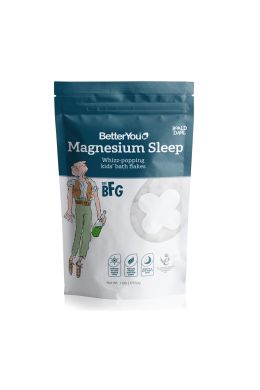
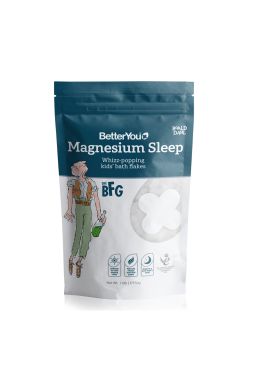
  4. Better You Kids Magnesium Sleep Whizz-popping Bath Flakes (750g)
    Better You Kids Magnesium Sleep Whizz-popping Bath Flakes (750g)
    €11.16 €13.95
    _
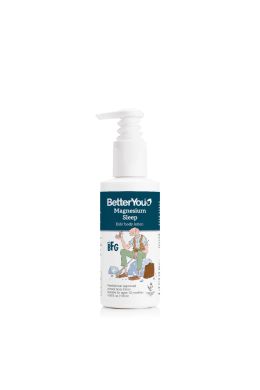
  5. Better You Kids Magnesium Sleep Lotion (135ml)
    Better You Kids Magnesium Sleep Lotion (135ml)
    €11.16 €13.95
    _
  6. Better You Kids Magnesium Sleep Spray (100ml)
    Better You Kids Magnesium Sleep Spray (100ml)
    €13.95
  7. Better You Kids Magnesium Sleep Whizz-popping Bath Flakes (750g)
    Better You Kids Magnesium Sleep Whizz-popping Bath Flakes (750g)
    €13.95
  8. Better You Magnesium Sleep Flakes 1kg
    Better You Magnesium Sleep Flakes 1kg
    €12.40 €15.50
    _
  9. Better You Magnesium Sleep Body Spray (100ml)
    Better You Magnesium Sleep Body Spray (100ml)
    €16.40 €20.50
    _
  10. Better You Magnesium Muscle Flakes 1kg
    Better You Magnesium Muscle Flakes 1kg
    €15.50
  11. Better You Magnesium Sleep Flakes 1kg
    Better You Magnesium Sleep Flakes 1kg
    €15.50
  12. Better You Kids Magnesium Sleep Lotion (135ml)
    Better You Kids Magnesium Sleep Lotion (135ml)
    €13.95
  13. Better You Magnesium Body Lotion (180ml)
    Better You Magnesium Body Lotion (180ml)
    €16.95
  14. Better You Magnesium Sleep Lotion (180ml)
    Better You Magnesium Sleep Lotion (180ml)
    €16.95
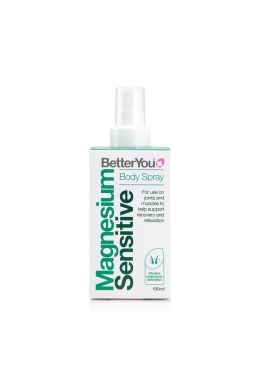
  15. Better You Magnesium Sensitive Spray (100ml)
    Better You Magnesium Sensitive Spray (100ml)
    €20.50
  16. Better You Magnesium Gel (150ml)
    Better You Magnesium Gel (150ml)
    €18.50
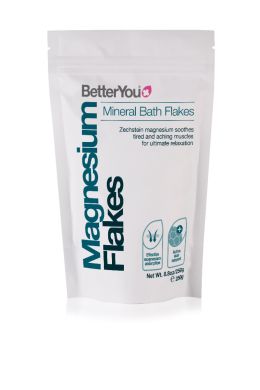
  17. Better You Magnesium Flakes (250g)
    Better You Magnesium Flakes (250g)
    €6.95
  18. Better You Magnesium Flakes (1kg)
    Better You Magnesium Flakes (1kg)
    €15.50
  19. Better You Magnesium Sleep Body Spray (100ml)
    Better You Magnesium Sleep Body Spray (100ml)
    €20.50
  20. Better You Magnesium Muscle Spray (100ml)
    Better You Magnesium Muscle Spray (100ml)
    €20.50

20 Item(s)

Why Choose Hifas-Functionals? The Smart Way to Harness Mushrooms for Health

In the growing world of natural wellness, few things have captured attention like medicinal mushrooms. But not all mushroom supplements are created equal.

That’s where Hifas-Functionals by Hifas da Terra stand out—offering targeted, clinically-informed blends that combine the best of tradition, science, and sustainability.

So… why Hifas? Let’s explore what makes their Functional range a smarter choice.

1. Purpose-Driven, Multi-Mushroom Blends

Unlike one-size-fits-all mushroom products, Hifas-Functionals are carefully formulated to address specific health needs. Each blend contains synergistic extracts designed to work together.

Rather than relying on a single mushroom, Hifas combines evidence-based strains like Reishi, Lion’s Mane, Cordyceps, and Maitake to support whole-system wellness.

2. Clinically Backed, Transparent Formulas

One of the most impressive features of Hifas-Functionals is ingredient transparency.

Each formula includes:

  • Standardised levels of key bioactive compounds (e.g. β-glucans, triterpenes, cordycepin).
  • Clearly listed dosages - no mystery blends or “proprietary” labels.

This transparency empowers you to make informed decisions, knowing exactly what you're putting into your body and why it works.

3. Advanced Green Extraction for Maximum Potency

Hifas uses Green Hifas Extraction Technology®, a unique eco-friendly method that ensures:

  • Maximum bioavailability of active compounds.
  • No synthetic solvents or unnecessary fillers.
  • Consistent quality and concentration across every batch.

This technology gives their supplements a higher therapeutic value than typical mushroom powders or tinctures.

4. Ethical, Organic, and Sustainably Made in Europe

Hifas-Functionals are:

  • Certified organic and vegan.
  • Packaged in recyclable glass.
  • Made under pharmaceutical-grade GMP standards.
  • Fully traceable - from cultivation in Galicia, Spain to the final capsule.

Their commitment to sustainability extends from soil to shelf.

If you're looking for functional mushroom supplements that are clean, potent, transparent, and effective, Hifas-Functionals are the gold standard. Whether you want to reduce stress, support immunity, boost energy, or detox gently - there’s a blend designed to help you feel your best, naturally.

Meet the Hifas-Functionals Range

Targeted support for your health - powered by organic medicinal mushrooms.

https://www.naturalmedicine.ie/brands/hifas-da-terra/hifas-equilibrium-60cps

Hifas Equilibrium - Balance for body and mind.
Formulated to support hormonal balance, gut-brain communication, and emotional wellbeing. Featuring Reishi, Cordyceps, and Lion’s Mane, plus natural Vitamin C for absorption. 

Ideal for stress, mood balance, and energy regulation.

Hifas Detox - Cleanse from the inside out.
A synergistic blend of detoxifying mushrooms like Polyporus, Reishi, and Maitake. Supports liver health, digestive balance, and elimination of toxins. 

Ideal for skin clarity, digestive reset, or post-antibiotic recovery.


Hifas Microbiota - Restore and protect your gut ecosystem.
Combines Hericium Erinaceus (Lion’s Mane) with other gut-supportive mushrooms to strengthen the intestinal lining, balance microbiota, and support the immune system. 

Ideal for those with IBS, food sensitivities, or frequent antibiotics.

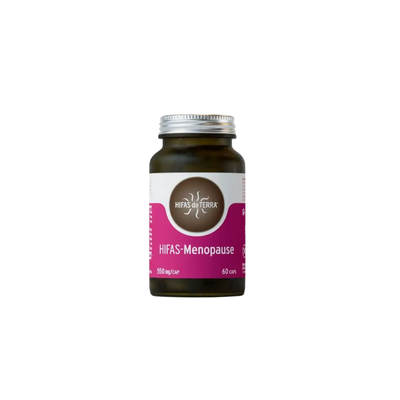
Hifas Menopause - Natural support for hormonal transition.
With Reishi, Cordyceps, and Shiitake, this formula supports energy, mood, bone health, and hot flush relief during perimenopause and menopause. 

Ideal for hormone balance, sleep, and emotional resilience.

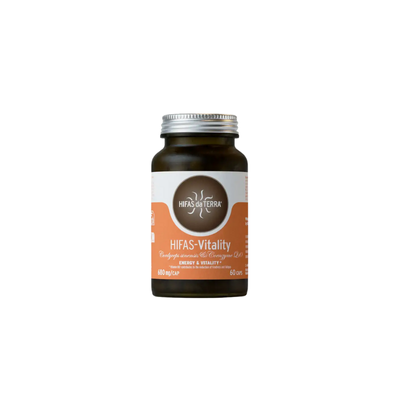
Hifas Vitality - Energy, stamina, and immune support.
Combines adaptogenic mushrooms like Cordyceps and Reishi to naturally boost vitality, reduce fatigue, and support physical endurance.

Ideal for active lifestyles, low energy, or chronic fatigue.

  1. Hifas Vitality 60cps
    Hifas Vitality 60cps
    €44.95
  2. Hifas Menopause (60cps)
    Hifas Menopause (60cps)
    €44.95
  3. Hifas Microbiota (Organic) (60cps)
    Hifas Microbiota (Organic) (60cps)
    €44.95
  4. Hifas Detox (Organic) (60cps)
    Hifas Detox (Organic) (60cps)
    €44.95
  5. Hifas Equilibrium (60cps)
    Hifas Equilibrium (60cps)
    €44.95

The Gut-Health Connection: How Your Microbiome Affects Your Well-being


In recent years, health experts have uncovered the link between gut health and overall well-being.

Your gut isn’t just responsible for digestion - it plays a crucial role in immune function, mental health, and even chronic disease prevention.

Understanding the Gut Microbiome

Your gut is home to trillions of bacteria, fungi, and other microorganisms that make up the microbiome. A balanced microbiome helps with digestion, vitamin production, and protection against harmful pathogens. However, when the gut microbiome is out of balance, it can contribute to issues like bloating, inflammation, and even mental health conditions.

The Gut-Brain Axis: A Two-Way Street

Did you know that your gut communicates directly with your brain? This connection, known as the gut-brain axis, explains why gut health can affect mood, anxiety, and cognitive function. The majority of serotonin, a neurotransmitter responsible for happiness and well-being, is produced in the gut.

Signs of an Unhealthy Gut

An imbalance in gut bacteria, known as dysbiosis, can lead to:

  • Digestive problems like bloating, constipation, or diarrhea
  • Food intolerances
  • Frequent infections or weakened immunity
  • Skin issues like acne or eczema
  • Mood swings, anxiety, or depression

How to Improve Gut Health

Supporting your gut means nurturing your microbiome. Here are some key ways to do that:

  1. Eat More Fiber & Fermented Foods
  • Fiber-rich foods like fruits, vegetables, and whole grains nourish beneficial bacteria.
  • Fermented foods like yogurt, kimchi, and sauerkraut introduce probiotics that support gut balance.
  • Limit Processed Foods & Sugar
    • Excess sugar and artificial additives can feed harmful bacteria, disrupting the gut environment.
  • Manage Stress
    • Chronic stress negatively affects gut bacteria. Mindfulness, exercise, and meditation can help.
  • Stay Hydrated
    • Drinking plenty of water aids digestion and helps support gut health.
  • Consider Probiotics & Prebiotics
    • Probiotics introduce beneficial bacteria, while prebiotics (found in foods like garlic, onions, and bananas) feed the beneficial bacteria already in your gut.

    Gut-Friendly Plants to Eat for a Healthy Microbiome

    Eating a variety of plant-based foods is an effective way to support your gut microbiome. Plants provide fibre, antioxidants, and prebiotics that feed beneficial gut bacteria, promoting digestion, immunity, and overall health.

    1. Fiber-Rich Vegetables (Feed Good Bacteria & Support Digestion)
    • Leafy Greens (Spinach, Kale, Swiss Chard) – Rich in fibre, vitamins, and polyphenols that boost gut health.
    • Broccoli & Brussels Sprouts – Contain sulforaphane, a compound that supports gut lining and reduces inflammation.
    • Carrots & Sweet Potatoes – High in beta-carotene and fibre, promoting a healthy gut barrier.
    • Asparagus – A great prebiotic food that feeds beneficial gut bacteria.
    1. Prebiotic-Rich Foods (Nourish Good Bacteria in Your Gut)
    • Garlic & Onions – Contain inulin, a powerful prebiotic fibre that fuels gut-friendly bacteria.
    • Leeks – High in fibre and polyphenols that support gut health.
    • Bananas – Rich in resistant starch, which promotes gut-friendly bacteria growth.
    1. Fermented Vegetables & Foods (Provide Probiotics to Restore Gut Balance)
    • Sauerkraut & Kimchi – Fermented cabbage packed with probiotics.
    • Pickles (naturally fermented) – A great source of gut-friendly bacteria.
    • Miso & Tempeh – Fermented soy products rich in probiotics and protein.
    1. Legumes & Whole Grains (Support Digestive Health & Promote Diversity in Gut Bacteria)
    • Lentils & Chickpeas – High in fibre, which helps regulate digestion and promotes a healthy microbiome.
    • Oats – A great source of beta-glucan, a fibre that feeds good gut bacteria.
    • Quinoa & Brown Rice – Whole grains that provide resistant starch, promoting gut health.
    1. Gut-Healing Herbs & Spices (Reduce Inflammation & Support Digestion)
    • Ginger – Soothes digestion, reduces bloating, and supports gut motility.
    • Turmeric – Contains curcumin, a powerful anti-inflammatory compound.
    • Cinnamon – Helps regulate blood sugar and supports gut microbiota balance.
    1. Nuts & Seeds (Provide Healthy Fats & Fibre for a Healthy Gut Lining)
    • Chia Seeds & Flaxseeds – High in omega-3s and fibre to support digestion.
    • Almonds & Walnuts – Contain polyphenols and prebiotic fibre that nourish gut bacteria.

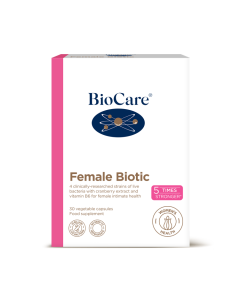
    1. BioCare Female Biotic (30 Capsules)
      BioCare Female Biotic (30 Capsules)
      €42.49
    2. BioCare Bio-Acidophilus Powder 20 Billion Probiotic (60g)
      BioCare Bio-Acidophilus Powder 20 Billion Probiotic (60g)
      €42.95
    3. BioCare BioAcidophilus Forte 30 Billion Probiotic (60 Capsules)
      BioCare BioAcidophilus Forte 30 Billion Probiotic (60 Capsules)
      €94.95
    4. BioCare BioAcidophilus Forte 30 Billion Probiotic(30 Capsules)
      BioCare BioAcidophilus Forte 30 Billion Probiotic(30 Capsules)
      €53.95
    5. BioCare Children's Mindlinx Powder (60g)
      BioCare Children's Mindlinx Powder (60g)
      €47.95
    6. BioCare Bio-Acidophilus 20 Billion Probiotic (60 Capsules)
      BioCare Bio-Acidophilus 20 Billion Probiotic (60 Capsules)
      €37.95
    7. BioCare Children's Banana BioAcidophilus  (60g)
      BioCare Children's Banana BioAcidophilus (60g)
      €27.96
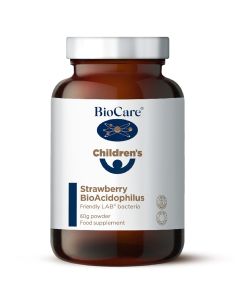
    8. BioCare Children's Strawberry BioAcidophilus  (60g)
      BioCare Children's Strawberry BioAcidophilus (60g)
      €29.50
    9. BioCare Children's Red Berry BioMelts (28 Sachets)
      BioCare Children's Red Berry BioMelts (28 Sachets)
      €28.95
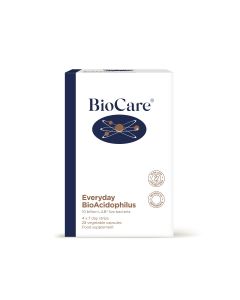
    10. BioCare Everyday BioAcidophilus (28 Capsules)
      BioCare Everyday BioAcidophilus (28 Capsules)
      €22.50

    Discover the Healing Power of Manuka Honey: Nature’s Gift for Your Health


    In today’s world of quick fixes and synthetic solutions, nature offers us a timeless remedy that has been revered for centuries: Manuka Honey

    Known for its potent healing properties, is quickly becoming a staple in natural wellness routines across the globe. This unique honey, harvested from the pristine landscapes of New Zealand, offers a variety of therapeutic benefits. Whether you’re looking to improve your skin health, boost your immunity, or ease a sore throat, Manuka Honey could be the all-natural solution you’ve been searching for.

    What Makes Manuka Honey So Special?

    Unlike regular honey, Manuka honey comes from the nectar of the Leptospermum scoparium plant, a shrub native to New Zealand and parts of Australia. It’s packed with Methylglyoxal (MGO), a powerful compound that gives Manuka honey its distinct antibacterial and healing properties. The higher the MGO level, the more potent the honey. Comvita is known for producing premium-quality Manuka honey with high MGO levels, ensuring it delivers maximum health benefits.

    Let’s dive into some of the incredible ways Manuka Honey can benefit your health:

    1. Promotes Wound and Skin Healing

    One of the most well-known uses of Manuka honey is its ability to promote wound healing. The natural antibacterial properties of Manuka honey help to prevent infections and create an ideal healing environment for cuts, burns, and other skin injuries. Manuka Honey has been shown to accelerate tissue regeneration, reduce inflammation, and keep wounds hydrated.

    1. Supports Digestive Health

    Gut health is at the core of overall wellness, and Manuka honey can play a significant role in supporting it. Consuming Manuka Honey can help balance your digestive system by promoting the growth of good bacteria and reducing harmful bacteria. Manuka honey has also been shown to soothe an irritated stomach lining, reducing symptoms of gastrointestinal discomfort.

    1. Supports the Immune System

    Manuka honey isn’t just delicious – it’s also a powerhouse when it comes to immune support. With its high antibacterial and antiviral properties, Comvita Manuka Honey helps fight off harmful pathogens, including bacteria like Staphylococcus aureus and Helicobacter pylori, which is linked to ulcers. Whether you take it on its own or add it to your tea, incorporating this honey into your diet can help support your immune system, helping you stay healthy year-round.

    1. Relieves Sore Throats

    We’ve all experienced the discomfort of a sore throat, but did you know that Manuka honey can provide natural relief? Thanks to its antibacterial and anti-inflammatory properties, Manuka honey soothes irritated throats and works to eliminate the bacteria causing the discomfort. It’s simple to use, just take a spoonful of honey or mix it into warm tea for an easy and effective remedy.

    1. Rich in Nutrients and Antioxidants

    Manuka Honey is not just beneficial for its medicinal qualities – it’s also packed with essential vitamins, minerals, and antioxidants. These nutrients support overall health by neutralising free radicals, reducing oxidative stress, and promoting cellular repair. This makes it a great addition to your diet for better skin, improved energy, and enhanced overall wellness.

    1. Medical-Grade Wound Care

    For those dealing with more severe or chronic wounds, Comvita offers medical-grade Manuka honey wound gel. This specialised wound gel contains sterilised medical grade Manuka honey specifically designed for topical use and clinically proven to support skin healing.

    How to Use Comvita Manuka Honey

    There are countless ways to incorporate Comvita Manuka Honey into your daily routine. Here are some ideas:

    • For Wounds and Burns: : For minor cuts or burns use Medihoney wound gel to aid in healing.
    • For Digestive Health: Take 1-2 teaspoons directly or mix it into warm water or tea to support your digestive system.
    • For a Sore Throat: Take a spoonful of honey on its own or add it to warm tea or water to relieve throat irritation.
    • For Skin Conditions: Massage the honey gently into your skin to help soothe conditions like acne, eczema, or dry patches.

    Why Choose Comvita Manuka Honey?

    Not all Manuka honey is created equal, and when it comes to purity, quality, and efficacy, Comvita stands out as a trusted leader. Comvita ensures that their honey is sustainably sourced and carefully tested to guarantee it meets the highest standards. Their honey is UMF (Unique Manuka Factor) certified, which ensures that the honey’s medicinal properties are authentic and effective.

    Comvita has earned a reputation as one of the most trusted and premium providers of authentic Manuka honey. With over 45 years of experience, Comvita ensures that every jar of their honey meets rigorous quality standards. They harvest their honey from the pristine landscapes of New Zealand, ensuring that it is both pure and sustainably sourced.


    1. Comvita Manuka Honey UMF®20+ (250g)
      Comvita Manuka Honey UMF®20+ (250g)
      €119.95
    2. Comvita Manuka Honey & Propolis Elixir (200ml)
      Comvita Manuka Honey & Propolis Elixir (200ml)
      €16.88 €22.50
      _
    3. Comvita Manuka Honey MGO*263+ / UMF10+ (500g)
      Comvita Manuka Honey MGO*263+ / UMF10+ (500g)
      €69.95
    4. Comvita Manuka Honey & Propolis Elixir (200ml)
      Comvita Manuka Honey & Propolis Elixir (200ml)
      €22.50
    5. Comvita Propolis Lozenges Lemon/Honey (12 loz)
      Comvita Propolis Lozenges Lemon/Honey (12 loz)
      €6.95
    6. Manuka Honey
      Comvita Manuka Honey MGO*263+ / UMF10+ (250g)
      €43.95
    7. Comvita Manuka Honey MGO*514+ / UMF15+ (250g)
      Comvita Manuka Honey MGO*514+ / UMF15+ (250g)
      €72.95
    8. Comvita Manuka Honey MGO*83+ / UMF5+ (250g)
      Comvita Manuka Honey MGO*83+ / UMF5+ (250g)
      €20.50
    9. Comvita Manuka Honey MGO*83+ / UMF5+ (500g)
      Comvita Manuka Honey MGO*83+ / UMF5+ (500g)
      €32.95