Floradix

Still Sneezing? Why Hay Fever Can Be Worse in August Than You Think


Most people think hay fever is a spring problem. Then August arrives and they're still carrying tissues everywhere.

If you're wondering why your symptoms haven't disappeared, you're not imagining it. While tree pollen season is mostly behind us, grass pollen can continue through much of the summer and weed pollens become more prominent as we move into late summer and early autumn.

The result? Plenty of people are still dealing with sneezing, itchy eyes, congestion and that annoying blocked-up feeling long after spring.

The Problem Isn't Always Pollen

When people think of hay fever, they usually focus on what's happening outdoors.

But pollen doesn't stay outside.

It gets trapped in your hair, your clothes, your car and your bedding. Open windows can bring it into the house, and pets can unknowingly carry it indoors after walks.

That's why some people feel like they're getting no relief, even when they're spending more time inside.

One of the Most Underrated Tools: Nasal Washing

When customers ask us what non-drug approach is worth trying first, nasal washing is often high on the list.

A saline nasal rinse doesn't treat allergies, but it can help physically wash pollen, dust and mucus out of the nasal passages. You're removing the irritants rather than trying to fight them.

Many people use a saline spray, squeeze bottle or neti pot once or twice daily during heavy pollen periods.

The key is consistency. If you're spending time outdoors, a quick rinse when you come home may help remove some of the pollen you've been exposed to throughout the day.

What About Quercetin?

Quercetin has become one of the most talked-about supplements during allergy season.

It's a naturally occurring plant compound found in foods like onions, apples, berries and broccoli.

Many people choose quercetin supplements as part of their seasonal wellness routine. It remains one of the most popular choices among people looking for nutritional support during hay fever season.

Nettle: A Traditional Favourite

Nettle has a long history of traditional use and continues to be widely used in herbal products. Nettle is a popular option for people looking to support their wellbeing during allergy season.

Where Does Vitamin C Fit In?

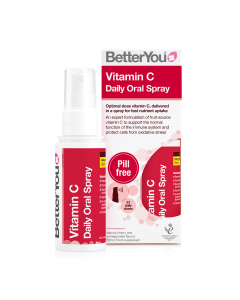
Vitamin C is probably best known for its role in supporting the normal function of the immune system.

It also acts as an antioxidant and is found naturally in foods such as:

  • Citrus fruits
  • Strawberries
  • Kiwi
  • Peppers
  • Broccoli

Some people like to include vitamin C alongside other supplements during allergy season.

A Few Simple Things That Can Make a Difference

Beyond supplements, there are practical habits that many allergy sufferers find helpful:

  • Check pollen forecasts before heading outdoors.
  • Keep windows closed during high pollen periods.
  • Shower after spending time outside.
  • Change clothes when you get home.
  • Hoover regularly.
  • Wash pillowcases frequently.

None of these are revolutionary, but together they can reduce the amount of pollen you're exposed to throughout the day.

There isn't a magic solution for hay fever, but there are plenty of ways to make the season more manageable.

For many people, a combination of sensible pollen avoidance, regular nasal washing and carefully chosen supplements such as quercetin, nettle and vitamin C becomes part of their annual routine.

  1. Otosan Nasal Wash (30 Sachets)
    Otosan Nasal Wash (30 Sachets)
    €9.95
  2. Otosan Baby Nasal Spray (20ml)
    Otosan Baby Nasal Spray (20ml)
    €10.95
  3. Otosan Nasal Spray 30ml
    Otosan Nasal Spray 30ml
    €10.95
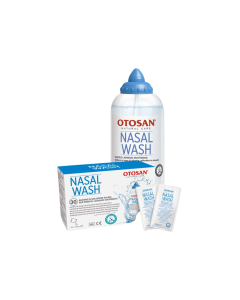
  4. Otosan Nasal Wash Kit - Bottle & 30 Sachets
    Otosan Nasal Wash Kit - Bottle & 30 Sachets
    €21.96
  5. Biocare Quercetin Complex (90 Capsules)
    Biocare Quercetin Complex (90 Capsules)
    €48.95
  6. Salus Haus Nettle Organic Tea (15 Teabags)
    Salus Haus Nettle Organic Tea (15 Teabags)
    €3.50
  7. Salus Haus Organic Nettle Juice (200ml)
    Salus Haus Organic Nettle Juice (200ml)
    €8.50
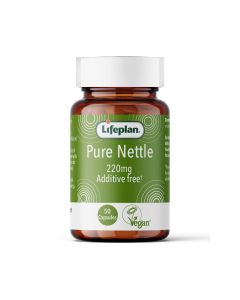
  8. Lifeplan Nettle 220mg (50 Capsules)
    Lifeplan Nettle 220mg (50 Capsules)
    €11.50

125 years of Walther Schoenenberger

125 years of Walther Schoenenberger

A life dedicated to the power of fresh plants.

Visionary, researcher and entrepreneur: Walther Schoenenberger left a lasting mark on natural medicine. On his 125th birthday, it is worth looking back on the extraordinary life of a man who recognised one thing early on: the healing power of nature lies in its freshness.

Born on 7 June 1901 in Zurich, Schoenenberger grew up in an environment that would shape his future path. Walks through meadows and fields with his stepfather, growing his own herbs and carefully observing nature from an early age, he developed a keen understanding of plants and their effects.

His original ambition to study medicine was thwarted by his family’s financial situation after the First World War. Instead, he chose to study pharmacy, a decision that laid the foundation for his later pioneering work. During his training and studies, he deepened his knowledge of medicinal plants and repeatedly came across evidence that fascinated him: freshly pressed plant juices seemed to possess a particularly powerful effect.

Driven by curiosity and conviction, Schoenenberger set out to prove these observations. He systematically analysed the juices for minerals, bitter compounds, tannins, pigments, essential oils, vitamins and trace elements. In doing so, he recognised that freshly pressed juices were superior in their effectiveness to dried plants. This insight led him to establish his own business centred on fresh plant juices.

In the early days, he experimented using simple means in his mother’s kitchen in Bad Cannstatt near Stuttgart. Medicinal plants collected by bicycle and carried in a bagpack were washed in the sink, chopped using a mincer, pressed by hand and bottled in containers sterilised with hot water on the kitchen stove. After moving to a small, rented garage, the first proper production facility was soon established in Magstadt laying the foundation for today’s company.

Schoenenberger’s approach went far beyond manufacturing products. He pursued a clear vision: to reform herbal medicine. He was convinced that only fresh plants could unfold their full potential. Consistently, he adopted natural cultivation methods at an early stage, without artificial fertilisers or pesticides, a principle that continues to define the organic quality of the juices today.

Despite numerous setbacks, including economic crises, the war years, displacement, destruction and rebuilding, Schoenenberger remained true to his convictions. His perseverance paid off: in 1961, fresh plant juices were officially recognised as medicinal products and established as a distinct dosage form under German pharmaceutical law.

Walther Schoenenberger passed away in 1982, but his life’s work continues to this day. The fresh plant therapy he founded remains the basis of the company’s products. His 125th birthday is an opportunity to remember a man whose foresight, courage and tireless spirit of research had a lasting influence on natural medicine – and whose ideas continue to benefit people around the world.


Explore Salus Haus Sustainability Commitment

Learn more sustainability efforts at Salus Haus – Salus Sustainability Brochure has a concise overview of how Salus approach environmental responsibility, ethical sourcing, and their long-term commitment to nature and people.

Shop Plant Juices

Explore the range of fresh plant juices developed by Walther Schoenenberger.
  1. Salus Haus Organic Thyme Juice  (200ml)
    Salus Haus Organic Thyme Juice (200ml)
    €8.50
  2. Salus Haus Organic Nettle Juice (200ml)
    Salus Haus Organic Nettle Juice (200ml)
    €8.50
  3. Salus Haus Manna Fig Syrup (200ml)
    Salus Haus Manna Fig Syrup (200ml)
    €10.95
  4. Salus Haus Horsetail Extract (200ml)
    Salus Haus Horsetail Extract (200ml)
    €8.50
  5. Salus Haus Organic Hawthorn Juice (200ml)
    Salus Haus Organic Hawthorn Juice (200ml)
    €8.50
  6. Salus Haus Organic Dandelion Juice (200ml)
    Salus Haus Organic Dandelion Juice (200ml)
    €8.50
  7. Salus Haus Organic Celery Root Juice (200ml)
    Salus Haus Organic Celery Root Juice (200ml)
    €8.50
  8. Salus Haus Organic Artichoke Juice (200ml)
    Salus Haus Organic Artichoke Juice (200ml)
    €8.50

Iron and Everyday Energy: Recognising the Signs and Supporting Your Levels


Iron is one of those nutrients that quietly supports our day-to-day lives. Many people — especially women, active individuals, and those with specific dietary needs — don’t realise how important it is for overall energy and wellbeing. Sometimes, our bodies send subtle signals that iron might be on the lower side.

Recognising Possible Signs of Low Iron

Iron deficiency can show up in different ways. Some common signals people notice include:

  • Feeling unusually tired or lacking energy
  • Feeling weak or dizzy
  • Difficulty concentrating or experiencing “brain fog”
  • Pale skin or noticeable paleness around the lips
  • Hair thinning or hair loss
  • Brittle nails or spoon-shaped nails
  • Shortness of breath during everyday activities

While these signs don’t provide a diagnosis, they can be helpful clues that it might be worth checking your iron levels.

Knowing Your Levels

The most reliable way to understand your iron status is through a simple blood test. If a healthcare professional has told you that your iron is low, it may be worth exploring ways to complement your diet with gentle, absorbable options.

Why Iron Can Be Tricky

Iron is naturally present in many foods, like leafy greens, beans, pulses, and grains, but for some people, diet alone may not be enough. Some iron supplements can be difficult to take, causing stomach discomfort or constipation.

Tips for Taking Iron Supplements

Taking iron supplements correctly can help support absorption and improve tolerance. Small adjustments to timing and food choices can make a meaningful difference.

Best Time of Day to Take Iron

Iron is often absorbed best when taken on an empty stomach. Many people choose to take it first thing in the morning or between meals. However, some individuals may find iron supplements cause mild stomach discomfort when taken without food. If this happens, taking iron with a small amount of food may help improve comfort while still supporting absorption. Floradix provides iron in a liquid form that is gentle on the stomach and well tolerated.

Taking Iron With or Without Food

While iron is absorbed more efficiently on an empty stomach, taking it with food can sometimes reduce digestive upset. If you need to take iron with food, try to avoid meals that are very high in calcium or fibre at the same time, as these may reduce iron absorption.

Pairing Iron With Vitamin C

Vitamin C can help enhance the body’s ability to absorb iron. Taking iron alongside vitamin C-rich foods or drinks may help maximise its effectiveness. Helpful options include:

  • Citrus fruits such as oranges or grapefruit
  • Berries
  • Kiwi
  • Tomatoes
  • Peppers
  • A small glass of orange juice

Floradix also contains added vitamin C, which helps support iron absorption and makes it a convenient option for daily use.

Avoid Tea and Coffee Around Supplement Time

Tea and coffee contain natural compounds that can interfere with iron absorption. It is recommended to avoid drinking tea or coffee for at least one hour before and after taking an iron supplement to allow for better absorption.

Gentle, Easy-to-Take Iron

Floradix contains organic iron from ferrous gluconate, a form that is gentle on the stomach and non-constipating. The liquid form means the iron and accompanying vitamins are already dissolved, allowing for quicker absorption compared to tablets.

More Than Just Iron

Floradix also includes vitamins B1, B2, B6, B12, and C, which work together to support energy metabolism and overall balance. Carefully selected herbs and fruit juice concentrates give Floradix a pleasant taste, making it easy to incorporate into your daily routine.

Who Can Benefit

Floradix is particularly popular with:

  • Women, including expectant or breastfeeding mothers
  • Children and adolescents
  • Older adults
  • Vegetarians and those with an active lifestyle

Its gentle formula and liquid form make it suitable for a wide range of people.

Maintaining balanced iron levels can be part of an overall approach to wellbeing. Whether through a nutritious diet, supplementation, or both, paying attention to your body and nutrient intake is a simple way to support everyday energy. Floradix Liquid Iron offers a practical, gentle option that fits naturally into daily life.

Food supplements should not replace a varied, balanced diet and healthy lifestyle, speak with your doctor before beginning a new supplement.

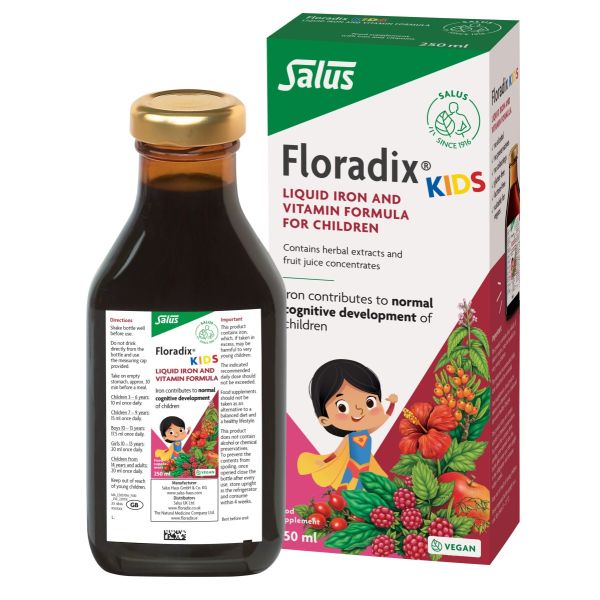
  1. Salus Haus Floradix Kids (250ml)
    €13.95
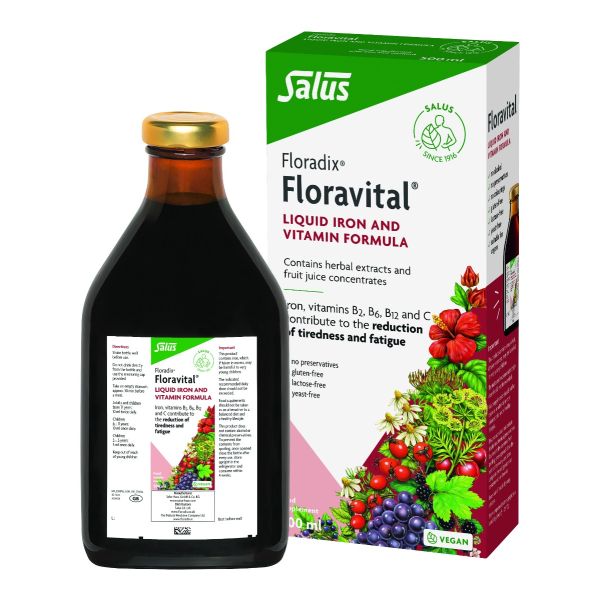
  2. Salus Haus Floravital Liquid Formula (500ml)
    €23.49
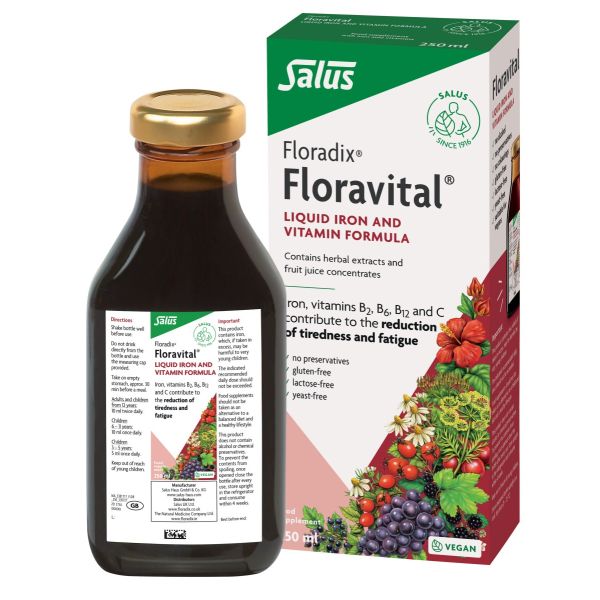
  3. Salus Haus Floravital Liquid Formula (250ml)
    €14.51
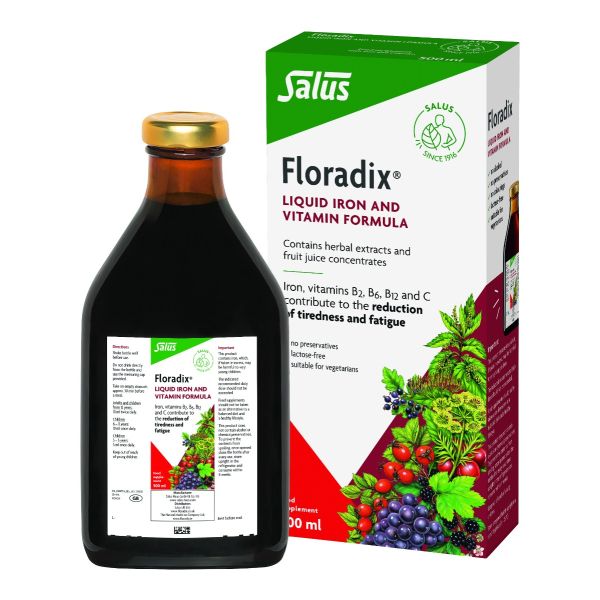
  4. Salus Haus Floradix Liquid Formula (500ml)
    €23.49
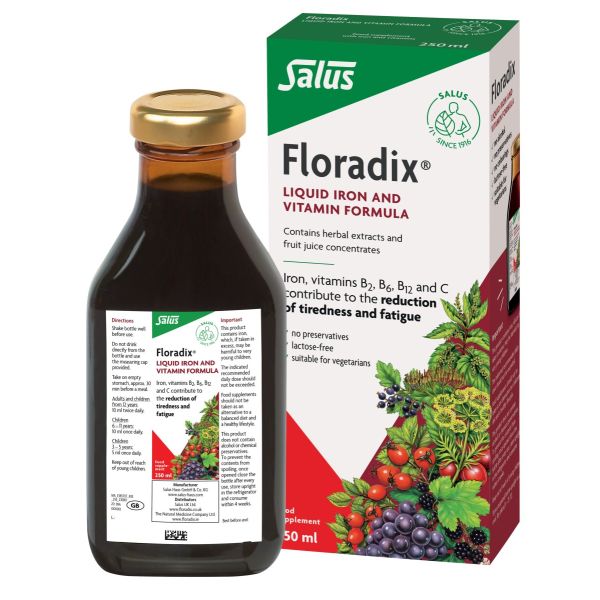
  5. Salus Haus Floradix Liquid Formula (250ml)
    €14.51

Support Your Immunity: Winter Wellness Tips


Even as February arrives, winter isn’t quite over. Cold mornings, short days, and indoor heating can leave you feeling sluggish or out of routine.
The good news? Simple daily habits, paired with natural support, can make the final weeks of winter feel more comfortable and balanced.

Why Winter Affects Immunity

Cold weather doesn’t just affect your mood, it can also impact your body’s natural defences. Shorter daylight hours may reduce vitamin D levels, indoor heating dries out the air, and less time outdoors can slow circulation. Together, these factors can leave you feeling tired, congested, or run down.

That’s why winter is an ideal time to focus on small, consistent routines that support your body naturally.

Nutrition: Fuel Your Immune System

Food is your first line of defence. A nourishing winter diet helps support both immunity and energy levels.

Focus on:

  • Vitamin C: Citrus fruits, kiwis, bell peppers
  • Vitamin D: Eggs, fortified dairy, oily fish
  • Zinc: Seeds, nuts, whole grains
  • Antioxidants: Leafy greens, berries, colourful vegetables

Start your day with a warm smoothie or porridge topped with fruit, seeds, and a drizzle of Manuka honey for a comforting winter breakfast.

Lifestyle Habits That Strengthen Immunity

Wellness isn’t just about what you eat, it’s how you live.

  • Sleep: Aim for 7–9 hours to allow your immune system to recharge
  • Movement: Gentle walks, stretching, or yoga help keep circulation going
  • Stress relief: Deep breathing, journaling, or quiet tea breaks can lower stress
  • Hydration: Warm drinks count too, herbal teas, broths, and warm water are excellent options

Winter Wellness: Simple Routines & Natural Support

1. Salus: Easy Daily Tonics and Herbal Teas

Salus offers a range of liquid supplements and herbal teas that are easy to include in everyday routines.

  • Add a tonic to your morning ritual
  • Sip a herbal tea in the evening while winding down
  • Keep it simple, one small habit can go a long way

2. Comvita: Natural Honey for Daily Comfort

Comvita’s Manuka Honey and Manuka honey lozenges are versatile and easy to incorporate into daily life.

  • Stir honey into morning drinks or evening teas
  • Keep lozenges on hand for on-the-go comfort
  • Sweeten breakfast or snacks with a spoonful of honey

3. Hifas da Terra: Mushroom-Based Daily Support

Hifas da Terra offers mushroom-based products that fit easily into winter wellness routines, with a range designed to support immune health.

  • Add mushroom powders to soups, porridge, or smoothies
  • Mix powders into warm meals like broths or stews
  • Choose capsule formulations for a simple, no-prep daily option

4. Otosan: Everyday Comfort in Late Winter

Late winter can still bring dryness, congestion, and throat discomfort.

  • Keep a throat spray or gel on your desk or in your bag
  • Use nasal washes to help combat winter congestion
  • Ideal for dry indoor air and long days

Small comforts can make a big difference when winter feels endless.

February is the perfect time to slow down, reset, and support your body with gentle routines. Winter wellness isn’t about doing everything - it’s about doing a few things consistently. Nourishing foods, warm drinks, restful sleep, and natural daily support can help you feel stronger, steadier, and ready for the transition into spring.

Herbal Teas for Every Mood: A Guide to Choosing the Right Salus Blend


Herbal teas are perfect for enjoying anytime you want a comforting cuppa. Whether you’re after a refreshing pick-me-up, a calming moment, or simply a flavourful herbal experience, Salus has a tea for you.

Herbal teas have been enjoyed for centuries for their soothing aromas, variety of flavours, and comforting rituals. While individual blends vary, herbal teas are generally caffeine-free and provide a pleasant alternative to traditional teas or coffee. Many people appreciate herbal teas for their natural, aromatic qualities and the simple pleasure of a warm, relaxing drink.

1. Energising Blends to Start Your Day

For a fresh, uplifting brew, try these invigorating teas:

  • Salus Organic Mate Tea: A traditional South American tea with a smooth, distinctive flavour. Naturally rich in caffeine and antioxidants, mate tea is the perfect alternative to coffee.
  • Salus Organic Peppermint Tea: Crisp and refreshing, peppermint tea is perfect for a revitalising moment.
  • Salus Organic Lemon Verbena (Vervain) Tea: Light and citrusy, this tea offers a bright, uplifting taste. Lemon verbena has long been valued in herbal traditions for supporting digestion and relaxation.

2. Calming Teas for Relaxation and Quiet Moments

Relax and unwind with these gentle, soothing teas:

  • Salus Organic Chamomile Tea: A popular floral tea with a delicate floral taste, chamomile has been traditionally used to support relaxation and promote restful sleep.
  • Salus Organic Lemon Balm Tea: With its mild citrus-mint flavour, lemon balm has been traditionally used to support emotional balance and promote natural relaxation.
  • Salus Organic Sage Tea: Earthy and warming, sage tea is a comforting choice.

3. Herbal Teas for Digestive Comfort and Refreshing Flavors

Enjoy these traditional herbal teas known for their distinctive tastes and refreshing qualities:

  • Salus Organic Dandelion Tea: A classic herbal infusion with a naturally earthy flavour. Dandelion has been centuries as a natural digestive aid.
  • Salus Organic Nettle Tea: A refreshing herbal infusion rich in vitamins and minerals such as iron, calcium, and magnesium.
  • Salus Organic Fennel Tea: Slightly sweet and aromatic, fennel tea is a popular choice, traditionally used to support digestion and relieve bloating,
  • Salus Organic Anise/Fennel/Caraway Tea: A harmonious blend with a pleasantly aromatic profile. Traditionally used to support digestion and relieve bloating.
  • Salus Horsetail Tea: A subtle, light tea with a gentle flavour. Horsetail is a plant valued for centuries for its natural mineral content.

4. Unique Herbal Teas for Flavour Variety

Discover these distinctive teas for new taste experiences:

  • Salus Organic Hawthorn Tea: A mild, fruity herbal tea. Traditionally valued for its supportive effects on heart and circulatory health, hawthorn tea offers a mild, slightly fruity flavour with natural antioxidants.
  • Salus Organic Thyme Tea: Thyme tea offers a naturally warming and invigorating experience. Thyme has traditionally been used for supporting respiratory health
  • Salus Organic Yarrow Tea: A gentle herbal tea with a pleasant, slightly bitter taste.

Tips for Enjoying Your Salus Haus Herbal Tea

  • Add honey or a natural sweetener to enhance flavours gently.
  • Pour 200ml of boiling water over bag and let brew for 5-10 mins. Then remove bag.
  • Try blending different teas like peppermint with chamomile to suit your personal taste.
  • Try making iced herbal teas for a refreshing drink on warm days. Brew as usual, cool down, then add ice and a slice of lemon or fresh mint.
  •          Take a few deep breaths and really focus on the aroma, colour, and taste of your herbal tea. Let it be a mini mindfulness ritual to relax and reset your day.

Salus Haus has been a pioneer in herbal tea specialties since 1916, committed to delivering premium quality both for taste and wellness. As a manufacturer, Salus uniquely controls the entire production process—from the cultivation of raw herbs to the final packaging—ensuring careful, gentle handling that preserves the valuable properties of the plants. 


Browse the full Salus Haus tea range here

  1. Salus Haus Nettle Organic Tea (15 Teabags)
    Salus Haus Nettle Organic Tea (15 Teabags)
    €3.50
  2. Salus Haus Horsetail Tea (15 Teabags)
    Salus Haus Horsetail Tea (15 Teabags)
    €3.50
  3. Salus Haus Yarrow Organic Tea (15 Teabags)
    Salus Haus Yarrow Organic Tea (15 Teabags)
    €3.50
  4. Salus Haus Thyme Organic Tea (15 Teabags)
    Salus Haus Thyme Organic Tea (15 Teabags)
    €3.50
  5. Salus Haus Lemon Verbena Tea (15 Teabags)
    Salus Haus Lemon Verbena Tea (15 Teabags)
    €3.50
  6. Salus Haus Sage Organic Tea (15 Teabags)
    Salus Haus Sage Organic Tea (15 Teabags)
    €3.50
  7. Salus Haus Peppermint Organic Tea (15 Teabags)
    Salus Haus Peppermint Organic Tea (15 Teabags)
    €3.50
  8. Salus Haus Mate Organic Tea (15 Teabags)
    Salus Haus Mate Organic Tea (15 Teabags)
    €3.50
  9. Salus Haus Lemon Balm Organic Tea (15 Teabags)
    Salus Haus Lemon Balm Organic Tea (15 Teabags)
    €3.50
  10. Salus Haus Hawthorn Organic Tea (15 Teabags)
    Salus Haus Hawthorn Organic Tea (15 Teabags)
    €3.50
  11. Salus Haus Fennel Organic Tea (15 Teabags)
    Salus Haus Fennel Organic Tea (15 Teabags)
    €3.50
  12. Salus Haus Anise/Fennel/Caraway Organic Tea (15 Teabags)
    Salus Haus Anise/Fennel/Caraway Organic Tea (15 Teabags)
    €3.50
  13. Salus Haus Chamomile Organic Tea (15 Teabags)
    Salus Haus Chamomile Organic Tea (15 Teabags)
    €3.50
  14. Salus Haus Dandelion Organic Tea (15 Teabags)
    Salus Haus Dandelion Organic Tea (15 Teabags)
    €3.50

Breathe Easy: Top Remedies for Spring Allergies


Spring brings warmer weather, blooming flowers, and longer days, but for many, it also means the onset of seasonal allergies. Pollen from trees, grasses, and weeds can trigger sneezing, itchy eyes, congestion, and other uncomfortable symptoms. If you're one of the millions of people who suffer from spring allergies, don't worry — there are effective remedies, and lifestyle changes you can adopt to help manage your symptoms and enjoy the season more fully.

  1. Stay Informed About Pollen Levels

One of the most important steps in managing spring allergies is staying informed about pollen counts in your area. Many weather apps and websites provide daily pollen forecasts, allowing you to plan your activities accordingly. On days when pollen levels are high, try to stay indoors as much as possible, especially during peak pollen times, typically early morning and late afternoon.

  1. Keep Windows Closed

While the fresh spring air may be tempting, keeping your windows closed can help prevent pollen from entering your home. This is especially important at night when pollen levels are often higher. You can also use air conditioning to cool your home while filtering out pollen. Be sure to clean or replace air filters regularly to ensure maximum effectiveness.

  1. Use Nasal Irrigation

Nasal irrigation, or nasal rinsing, is an effective way to flush out pollen and other allergens from your nasal passages. This can help reduce congestion and improve breathing. A saline solution typically used to rinse the nasal cavity, washing away allergens, mucus, and irritants. If you're new to nasal irrigation, start slowly and make sure to follow the instructions carefully.

There are also nasal sprays designed to help reduce congestion and inflammation.

  1. Consider Natural Remedies

If you prefer a more natural approach to managing spring allergies, there are several remedies that may help:

  • Quercetin – Found in apples, onions, berries and as a supplement, this natural antihistamine can help reduce allergy symptoms.
  • Stinging Nettle – A natural antihistamine; has been traditionally used for spring allergies, especially for conditions like hay fever and seasonal allergic rhinitis. Nettle is available as a tea, in supplements or fresh plant juice.
  • Probiotics: A healthy gut microbiome may help regulate the immune system and reduce allergic reactions. Probiotic supplements and probiotic rich foods like yogurt, kefir, and fermented vegetables can support gut health and potentially alleviate allergy symptoms.
  1. Keep Your Home Allergy-Free
  • Clean Frequently: Dust, mold, and pet dander can worsen allergy symptoms. Clean your home regularly, especially during allergy season. Use a vacuum cleaner with a HEPA filter to trap pollen and other particles and consider using an air purifier to reduce allergens in the air.
  • Wash Bedding Often: Pollen can cling to clothes, hair, and bedding. Wash your sheets, pillowcases, and blankets frequently to avoid exposure to allergens while you sleep.
  • Shower and Change Clothes After Being Outdoors: After spending time outside, showering and changing clothes can help remove pollen and prevent it from transferring to your home. This is especially important if you've been in a high-pollen area or have been gardening or hiking.
  1. Seek Professional Help If Needed

If your symptoms are severe or persistent, if natural remedies or over-the-counter medications aren’t providing relief, it’s a good idea to see a healthcare professional.


  1. Otosan Nasal Wash (30 Sachets)
    Otosan Nasal Wash (30 Sachets)
    €9.95
  2. Otosan Baby Nasal Spray (20ml)
    Otosan Baby Nasal Spray (20ml)
    €10.95
  3. Otosan Nasal Spray 30ml
    Otosan Nasal Spray 30ml
    €10.95
  4. Otosan Nasal Wash Kit - Bottle & 30 Sachets
    Otosan Nasal Wash Kit - Bottle & 30 Sachets
    €21.96

Your Heart Health: Essential Supplements


In addition to a healthy diet and lifestyle, certain heart-healthy supplements may offer benefits to support cardiovascular health.

Here are some supplements that are commonly recommended for heart health:

1. Omega-3 Fatty Acids (Fish Oil or Algal Oil)

  • Benefits: Omega-3s, particularly EPA and DHA, have been shown to reduce inflammation, lower triglyceride levels, and improve heart health. They may also help lower blood pressure.
  • Sources: Fish oil, algae-based supplements (for vegetarians), flaxseed, chia seeds, and walnuts.

2. Coenzyme Q10 (CoQ10)

  • Benefits: CoQ10 is an antioxidant that helps with energy production in cells and may improve blood vessel health, reduce oxidative stress, and support heart function. It is especially beneficial for individuals taking statin medications, as statins can deplete CoQ10 levels.
  • Sources: CoQ10 is naturally produced by the body, but supplementation can be helpful, particularly in older adults as CoQ10 levels can naturally decline with age.

3. Magnesium

  • Benefits: Magnesium plays a crucial role in maintaining healthy blood pressure, regulating heart rhythm, and supporting proper muscle function, including the heart. Studies have suggested that magnesium deficiency is linked to an increased risk of coronary artery calcification (buildup of calcium in the arteries).
  • Sources: Magnesium-rich foods like leafy greens, almonds, and bananas, or magnesium supplements.

4. Vitamin D

  • Benefits: Some studies have found a link between low levels of vitamin D and an increased risk of heart disease, hypertension, and diabetes.
  • Sources: Fatty Fish, eggs, fortified foods, exposure to sunlight. If you have difficulty getting enough vitamin D from sun exposure or food, supplements can be an effective option.

5. Garlic Extract

  • Benefits: Garlic has been shown to reduce blood pressure, lower cholesterol levels, and improve overall cardiovascular health. It also has anti-inflammatory and antioxidant properties that support heart function.
  • Sources: Garlic supplements or raw garlic in food.

6. Plant Sterols

  • Benefits: Plant sterols (also known as phytosterols) are naturally occurring compounds found in plants that have a structure similar to cholesterol. Because of this similarity, plant sterols can help reduce cholesterol levels by blocking the absorption of cholesterol in the intestines.
  • Sources: Supplements or foods like vegetables and fruits, vegetable oils, nuts, cereals, and seeds

7. Fiber (Psyllium, Glucomannan, or Flaxseed)

  • Benefits: Soluble fiber helps lower LDL cholesterol and promotes heart health by reducing blood sugar and triglyceride levels. It also aids in maintaining a healthy weight and supports healthy digestion.
  • Sources: Psyllium husk, glucomannan (from konjac root), or ground flaxseed.

8. Hawthorn Berry

  • Benefits: Hawthorn is a herb traditionally used to support heart health. Hawthorn has been shown to have a blood pressure-lowering effect in some studies.
  • Sources: Hawthorn berry extract or teas.

9. L-Carnitine

  • Benefits: L-carnitine helps convert fat into energy and may improve exercise performance, blood flow, and lipid profile. It has been studied for its potential benefits in heart disease.
  • Sources: L-carnitine supplements, or foods like red meat, poultry and dairy.

10. Turmeric (Curcumin)

  • Benefits: Curcumin, the active compound in turmeric, has potent anti-inflammatory and antioxidant effects. It may help reduce inflammation and improve heart health by lowering cholesterol levels, improving endothelial function, and supporting blood pressure regulation.
  • Sources: Curcumin supplements or turmeric root (when used in cooking, absorption may be enhanced with black pepper).

Important Considerations:

  • Quality: Not all supplements are created equal. Choose high-quality supplements from reputable brands to ensure purity and potency.
  • Dosage: Always follow recommended dosages, as excessive intake of certain supplements can have adverse effects.
  • Consultation: If you have pre-existing conditions or are on medications (especially blood thinners, blood pressure meds, or statins), always talk to your healthcare provider before starting new supplements to avoid interactions.

While these supplements can complement a heart-healthy lifestyle, they should not replace good nutrition, exercise, and other heart-healthy habits. It’s important to consult with a healthcare provider before adding supplements to your routine, as they can interact with medications or conditions.


  1. Lifeplan Omega 3 Fish Oil 1000mg (90cps)
    Lifeplan Omega 3 Fish Oil 1000mg (90cps)
    €16.50
  2. BioCare Vegan Omega 3 (60 Caps)
    BioCare Vegan Omega 3 (60 Caps)
    €39.50
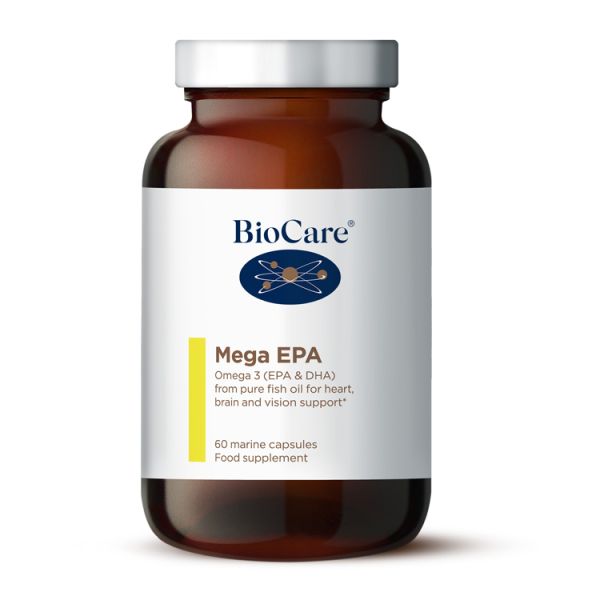
  3. BioCare Mega EPA (60 Capsules)
    BioCare Mega EPA (60 Capsules)
    €26.36 €32.95
    _
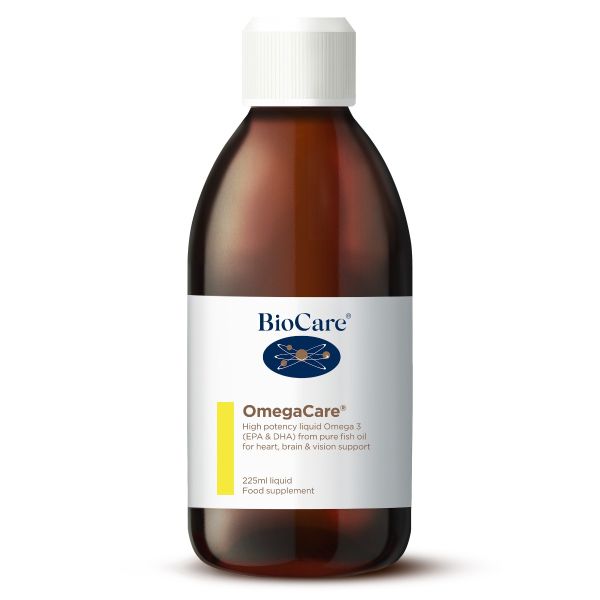
  4. Biocare OmegaCare (225ml)
    Biocare OmegaCare (225ml)
    €52.95
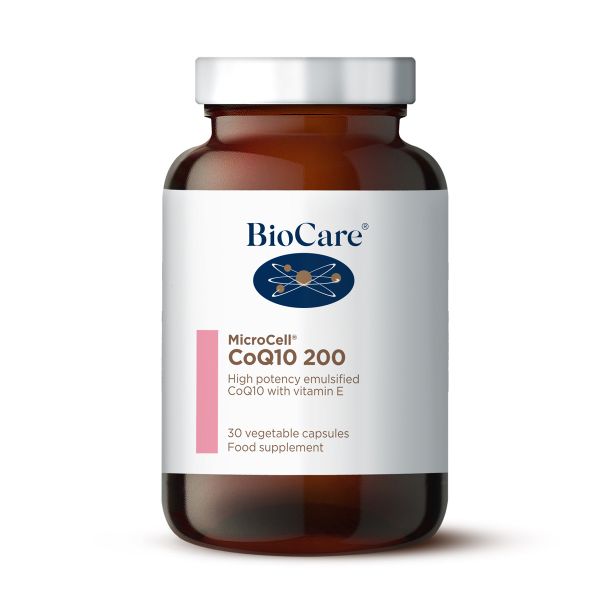
  5. BioCare MicroCell CoQ10 200 (30 Capsules)
    BioCare MicroCell CoQ10 200 (30 Capsules)
    €62.50
  6. Biocare Evening Primrose Oil (30 Capsules)
    Biocare Evening Primrose Oil (30 Capsules)
    €12.95
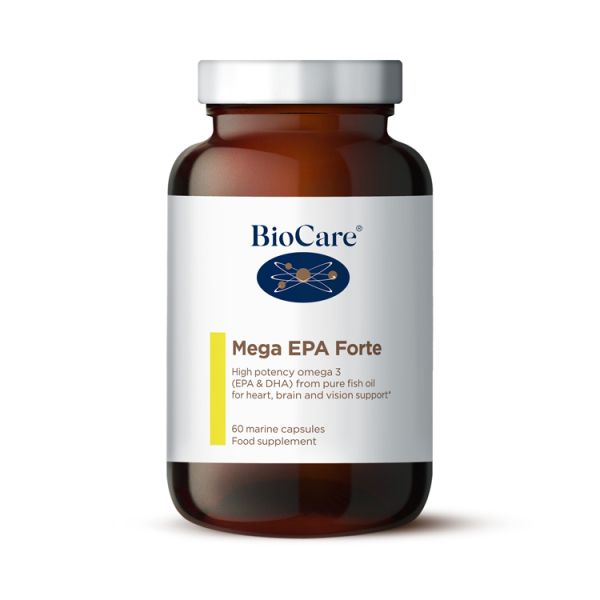
  7. BioCare Mega EPA Forte (60 Capsules)
    BioCare Mega EPA Forte (60 Capsules)
    €42.95
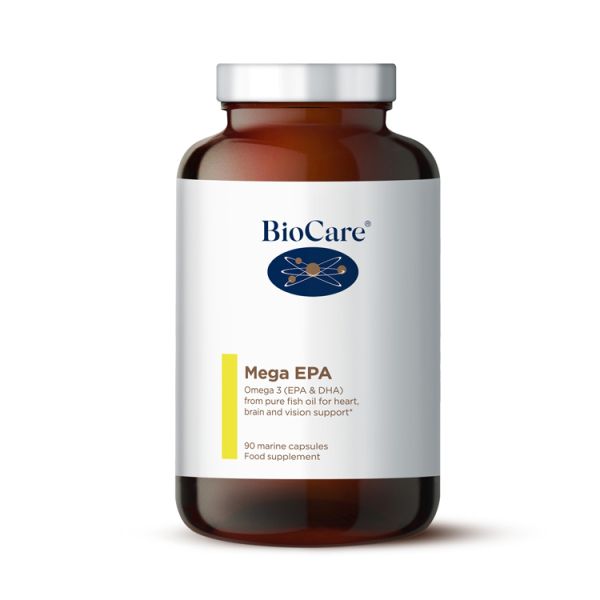
  8. BioCare Mega EPA (90 Capsules)
    BioCare Mega EPA (90 Capsules)
    €43.50
  9. BioCare Mega EPA (60 Capsules)
    BioCare Mega EPA (60 Capsules)
    €32.95
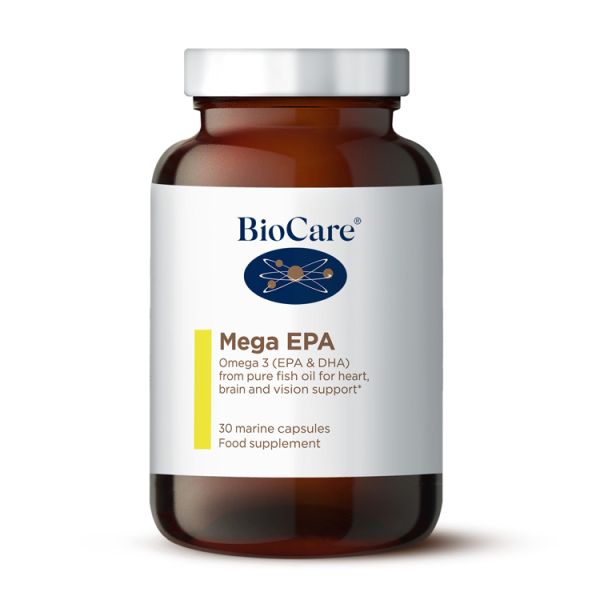
  10. BioCare Mega EPA (30 Capsules)
    BioCare Mega EPA (30 Capsules)
    €18.50
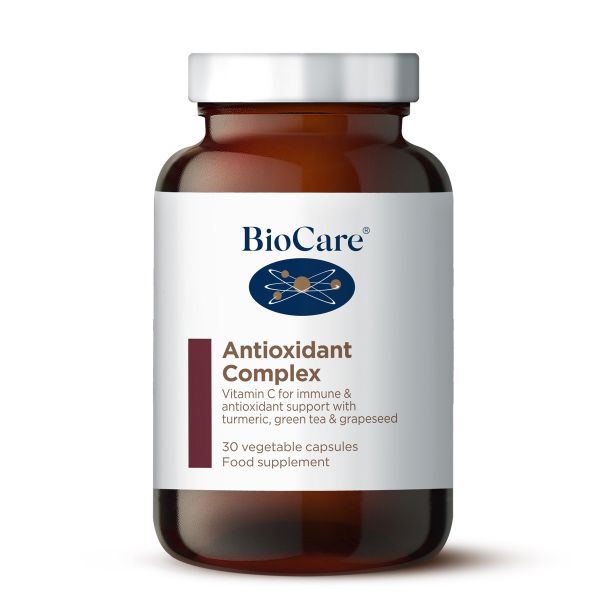
  11. Biocare Antioxidant Complex (30 Capsules)
    Biocare Antioxidant Complex (30 Capsules)
    €37.50
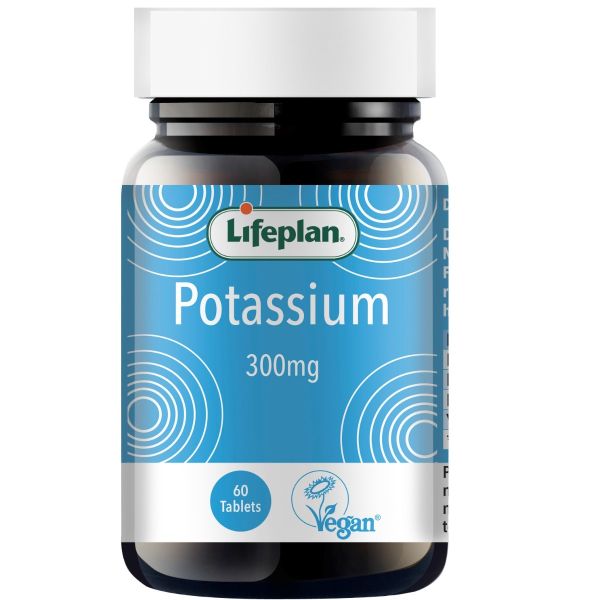
  12. Lifeplan Potassium 300mg (60 Tablets)
    Lifeplan Potassium 300mg (60 Tablets)
    €11.50

Items 1 to 12 of 14 total

Page

The Power of Herbal Teas


Herbal teas are a simple and soothing way to support health and wellness, particularly during the cold winter months.  January is a perfect time to experiment with these teas, make herbal teas part of your daily rituals all winter long!

Here’s a guide to some of the best herbal teas to incorporate into your routine, you can enhance your teas with honey, lemon, or a pinch of cinnamon for added flavour.

Peppermint Tea

  • Benefits: Aids digestion, reduces bloating, and provides a refreshing boost. It’s also known for relieving headaches and soothing sore throats.
  • When to Drink: After meals for digestive support or mid-afternoon for a pick-me-up.

Chamomile Tea

  • Benefits: Calms the mind, supports better sleep, and reduces inflammation. It’s perfect for unwinding after a busy day.
  • When to Drink: Before bed to enhance relaxation and promote restful sleep.

Lemon Balm Tea

  • Benefits: Soothes anxiety, improves mood, and aids digestion. It’s a gentle tea for calming nerves.
  • When to Drink: Anytime you’re feeling stressed or need to unwind.

Thyme Tea

  • Benefits:
    Thyme tea supports respiratory health by easing coughs, congestion, and soothing sore throats.
  • When to Drink:
    Perfect in the evening for respiratory relief or after meals to support digestion, especially during the colder months when colds and flu are common.

Nettle Tea

  • Benefits: Nettle tea is a nutrient-rich herbal infusion packed with vitamins A, C, K, and minerals like iron, magnesium, and calcium. Nettle is also known for promoting kidney function and aiding in gentle detoxification.
  • When to Drink:
    Enjoy nettle tea in the morning for an energising start to the day or mid-afternoon to support detoxification and wellness.

Dandelion Tea

  • Benefits:
    Dandelion tea is Packed with vitamins A, C, and K, along with minerals like potassium and calcium, it supports overall health. It has diuretic properties, helping the body eliminate excess fluids.
  • When to Drink:
    Best enjoyed in the morning or afternoon to support digestion and detoxification. Drinking after meals may also help ease bloating or indigestion.

Whether you’re looking to relax, recharge, or simply enjoy a flavourful moment of peace, there’s a tea for you.


  1. Salus Haus Nettle Organic Tea (15 Teabags)
    Salus Haus Nettle Organic Tea (15 Teabags)
    €3.50
  2. Salus Haus Horsetail Tea (15 Teabags)
    Salus Haus Horsetail Tea (15 Teabags)
    €3.50
  3. Salus Haus Yarrow Organic Tea (15 Teabags)
    Salus Haus Yarrow Organic Tea (15 Teabags)
    €3.50
  4. Salus Haus Thyme Organic Tea (15 Teabags)
    Salus Haus Thyme Organic Tea (15 Teabags)
    €3.50
  5. Salus Haus Lemon Verbena Tea (15 Teabags)
    Salus Haus Lemon Verbena Tea (15 Teabags)
    €3.50
  6. Salus Haus Sage Organic Tea (15 Teabags)
    Salus Haus Sage Organic Tea (15 Teabags)
    €3.50
  7. Salus Haus Peppermint Organic Tea (15 Teabags)
    Salus Haus Peppermint Organic Tea (15 Teabags)
    €3.50
  8. Salus Haus Mate Organic Tea (15 Teabags)
    Salus Haus Mate Organic Tea (15 Teabags)
    €3.50
  9. Salus Haus Lemon Balm Organic Tea (15 Teabags)
    Salus Haus Lemon Balm Organic Tea (15 Teabags)
    €3.50
  10. Salus Haus Hawthorn Organic Tea (15 Teabags)
    Salus Haus Hawthorn Organic Tea (15 Teabags)
    €3.50
  11. Salus Haus Fennel Organic Tea (15 Teabags)
    Salus Haus Fennel Organic Tea (15 Teabags)
    €3.50
  12. Salus Haus Anise/Fennel/Caraway Organic Tea (15 Teabags)
    Salus Haus Anise/Fennel/Caraway Organic Tea (15 Teabags)
    €3.50
  13. Salus Haus Chamomile Organic Tea (15 Teabags)
    Salus Haus Chamomile Organic Tea (15 Teabags)
    €3.50
  14. Salus Haus Dandelion Organic Tea (15 Teabags)
    Salus Haus Dandelion Organic Tea (15 Teabags)
    €3.50