Still Sneezing? Why Hay Fever Can Be Worse in August Than You Think

- Jul 30, 2026
- Posted by:
Most people think hay fever is a spring problem. Then August arrives and they're still carrying tissues everywhere.
If you're wondering why your symptoms haven't disappeared, you're not imagining it. While tree pollen season is mostly behind us, grass pollen can continue through much of the summer and weed pollens become more prominent as we move into late summer and early autumn.
The result? Plenty of people are still dealing with sneezing, itchy eyes, congestion and that annoying blocked-up feeling long after spring.
The Problem Isn't Always Pollen
When people think of hay fever, they usually focus on what's happening outdoors.
But pollen doesn't stay outside.
It gets trapped in your hair, your clothes, your car and your bedding. Open windows can bring it into the house, and pets can unknowingly carry it indoors after walks.
That's why some people feel like they're getting no relief, even when they're spending more time inside.
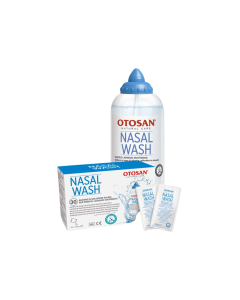
One of the Most Underrated Tools: Nasal Washing
When customers ask us what non-drug approach is worth trying first, nasal washing is often high on the list.
A saline nasal rinse doesn't treat allergies, but it can help physically wash pollen, dust and mucus out of the nasal passages. You're removing the irritants rather than trying to fight them.
Many people use a saline spray, squeeze bottle or neti pot once or twice daily during heavy pollen periods.
The key is consistency. If you're spending time outdoors, a quick rinse when you come home may help remove some of the pollen you've been exposed to throughout the day.
What About Quercetin?
Quercetin has become one of the most talked-about supplements during allergy season.
It's a naturally occurring plant compound found in foods like onions, apples, berries and broccoli.
Many people choose quercetin supplements as part of their seasonal wellness routine. It remains one of the most popular choices among people looking for nutritional support during hay fever season.
Nettle: A Traditional Favourite
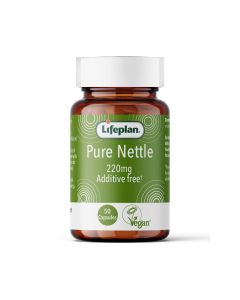
Nettle has a long history of traditional use and continues to be widely used in herbal products. Nettle is a popular option for people looking to support their wellbeing during allergy season.
Where Does Vitamin C Fit In?
Vitamin C is probably best known for its role in supporting the normal function of the immune system.
It also acts as an antioxidant and is found naturally in foods such as:
- Citrus fruits
- Strawberries
- Kiwi
- Peppers
- Broccoli
Some people like to include vitamin C alongside other supplements during allergy season.
A Few Simple Things That Can Make a Difference
Beyond supplements, there are practical habits that many allergy sufferers find helpful:
- Check pollen forecasts before heading outdoors.
- Keep windows closed during high pollen periods.
- Shower after spending time outside.
- Change clothes when you get home.
- Hoover regularly.
- Wash pillowcases frequently.
None of these are revolutionary, but together they can reduce the amount of pollen you're exposed to throughout the day.
There isn't a magic solution for hay fever, but there are plenty of ways to make the season more manageable.
For many people, a combination of sensible pollen avoidance, regular nasal washing and carefully chosen supplements such as quercetin, nettle and vitamin C becomes part of their annual routine.