Patrick Holford

October Seminars: Learn From Leading Health Experts


This October, we're delighted to welcome two renowned voices in the world of nutrition and women's health.

Whether you're looking to deepen your understanding of health and wellbeing, learn practical strategies to support your lifestyle, or hear directly from some of the most respected experts in their fields, these special events promise to be both informative and inspiring.

Read on to discover more about our upcoming seminars with Dr Marilyn Glenville and Patrick Holford and reserve your place for what promises to be an exciting month of health education.

Dr Marilyn Glenville Seminars

Who is Dr Marilyn Glenville?

Dr Marilyn Glenville is one of the UK's leading nutritionists, specialising in women's health. She is a bestselling author, internationally respected speaker and educator, known for translating complex nutritional science into practical advice that can be applied in everyday life.

Over the course of her career, she has worked extensively in the areas of hormonal health, fertility, menopause and healthy ageing, helping thousands of women better understand the role nutrition can play throughout different life stages.

Dr Glenville is particularly recognised for her expertise in:

  • Women's health
  • Hormonal wellbeing
  • Fertility and pre-conception nutrition
  • Menopause support
  • Healthy ageing
  • Nutritional medicine

What Can Attendees Expect?

At these engaging seminars, attendees will gain valuable insights into nutrition and wellbeing, with practical takeaways that can be applied to everyday life.

Topics across Dr Glenville's October tour will include:

  • Balancing hormones naturally
  • Healthy ageing and metabolism
  • Managing stress and anxiety
  • Improving energy, sleep and cognitive function
  • Digestive health and natural diabetes prevention
  • Mental health and neurodivergence
  • Brain fog, memory and menopause support
  • Audience Q&A sessions

Event Details

Dr Marilyn Glenville will be appearing at a number of locations across Ireland, including:

  • Dublin
  • Galway
  • Tralee
  • Bantry
  • Ennis
  • Kilkenny
  • Wexford

Seminar topics will vary by venue, offering attendees the opportunity to explore a range of health and wellbeing subjects tailored to different life stages and health concerns.

Further event details, booking information and ticket links will be confirmed soon.

Patrick Holford Seminars

Who is Patrick Holford?

Patrick Holford is one of the most influential figures in nutritional health and is widely known for his work in promoting evidence-based approaches to optimum nutrition.

As an author, educator and founder of the Institute for Optimum Nutrition, he has spent decades helping people understand the impact that diet, nutrients and lifestyle choices can have on overall wellbeing.

Patrick's areas of expertise include:

  • Optimum nutrition
  • Nutritional therapy
  • Healthy ageing
  • Brain health
  • Energy and vitality
  • Evidence-based wellness strategies

What Can Attendees Expect?

This seminar will provide attendees with practical, science-backed information designed to help support long-term health and wellbeing.

Patrick Holford's October talks will explore a range of fascinating health topics, including:

  • Brain health and cognitive function
  • Alzheimer's prevention and healthy ageing
  • The foundations of optimum nutrition
  • Audience Q&A opportunities

Whether you're new to nutrition or already passionate about health, these events offer a unique opportunity to learn directly from one of the field's leading educators.

Event Details

Patrick Holford will be visiting Ireland in October, with seminars planned in Cork & Dublin.

Topics will vary by location and will include brain health, Alzheimer's prevention and nutrition for healthy ageing.

Don't miss this opportunity to hear Patrick Holford share his expertise, practical insights and evidence-based approaches to achieving optimum health and wellbeing.

Dates, venues, ticket information and booking links will be announced shortly. Keep an eye on our social channels for booking announcements.

Patrick Holford - The Story Behind Optimum Nutrition Formulations


The Patrick Holford name is well known in the world of nutrition education and supplement formulation. For decades he has worked to make nutritional information more accessible and to promote the idea that diet and nutrients play an important role in everyday wellbeing.

His supplement range, developed under the Optimum Nutrition Formulations, reflects this long-standing interest in thoughtful nutrition.

Early Career and Interest in Nutrition

Patrick Holford began focusing on nutrition in the 1980s, becoming one of the early advocates for bringing nutritional education to a wider audience.

In 1984 he co-founded the Institute for Optimum Nutrition, a UK-based organisation dedicated to training nutritional therapists and promoting education around diet and lifestyle.

Since then, Holford has written numerous books exploring topics related to nutrition and lifestyle, including the well-known The Optimum Nutrition Bible, which introduced many readers to the concept of balanced nutrient intake.

Development of the Optimum Nutrition Range

The Optimum Nutrition supplement range was developed to reflect Holford’s approach to nutrient balance and thoughtful formulation.

Rather than focusing only on individual nutrients, many products in the range combine vitamins, minerals, and other nutrients in specific ratios designed to complement one another.

The range includes:

  • Multinutrient formulas
  • Individual vitamins and minerals
  • Essential fatty acids
  • Targeted nutrient blends

Each product is created with attention to ingredient quality and clear labelling so customers can easily understand what they are choosing.

The Optimum Nutrition range is structured to offer flexible choices for a variety of lifestyles: from those looking for a simple multivitamin (Essentials), to people interested in cognitive support (Mind), those who focus on active living (Body), and anyone seeking energy and metabolic support (Metabolism).

Ongoing Work and Involvement

Patrick Holford continues to be involved in education and advocacy around nutrition today. His work includes supporting nutritional education initiatives and contributing to discussions around public health and diet.

Through books, lectures, and collaborations with nutrition organisations, he remains a recognised voice in the field of nutritional education.

The Optimum Nutrition formulations reflect this long-term commitment to exploring how nutrients can be combined in practical ways for everyday use.

In recent years, Patrick Holford has focused on brain health and cognitive support, combining his experience in nutrition with a commitment to public education. He is a founder of the Food for the Brain Foundation, a UK-based charity dedicated to promoting nutrition and lifestyle approaches that support mental wellbeing and cognitive function. The charity produces educational resources, courses, and research to help people understand the connection between diet and brain performance.

Patrick has also authored a series of books on brain health, including:

  • Upgrade Your Brain – exploring practical strategies for maintaining cognitive performance through diet, lifestyle, and nutrient support.
  • Alzheimer’s – Prevention is the Cure – examining approaches to help support long-term cognitive wellness and reduce risks associated with cognitive decline.

These publications aim to educate and empower readers, providing clear guidance on nutrition, lifestyle, and wellness habits that can fit into everyday life.

In addition to his books, Patrick shares insights through podcasts, lectures, and online discussions, making complex nutritional and cognitive science accessible to a global audience. His content covers:

  • Everyday nutrition tips for brain health
  • Lifestyle habits that support mental sharpness and focus
  • Practical strategies from research on dementia prevention and cognitive performance

Through his charity, books, and podcasts, Patrick Holford continues to champion accessible, evidence-informed strategies for maintaining brain health while promoting public awareness about the role of nutrition in cognitive wellbeing.

How Vitamin D Improves Health: Bones, Immunity, Mood, and More

How Vitamin D Improves Health: Bones, Immunity, Mood, and More


Vitamin D, often called the “sunshine vitamin,” is essential for maintaining overall health and wellbeing. Produced naturally when the skin is exposed to sunlight, Vitamin D supports many vital processes in the body. Yet despite its importance, Vitamin D deficiency is surprisingly common worldwide. Let’s explore why this nutrient is so powerful, where it comes from, and how to ensure you’re getting enough.


1. Bone Health

  • Calcium Absorption: Vitamin D helps the body absorb calcium and phosphorus, which are essential for strong bones. Without enough Vitamin D, children can develop rickets, and adults may face osteoporosis or fragile bones.
  • Bone Density: By improving calcium absorption, Vitamin D strengthens bones, reduces fracture risks, and supports long-term skeletal health.

2. Immune System Support

  • Defence Against Illness: Vitamin D activates T cells, which detect and fight off harmful bacteria and viruses.
  • Inflammation Control: Adequate levels can reduce inflammation, helping to manage autoimmune conditions and lower the risk of infections.

3. Mental Health & Mood

  • Mood Regulation: Low Vitamin D levels are linked to depression and mood disorders such as Seasonal Affective Disorder (SAD). Adequate intake may improve mood and emotional wellbeing.
  • Cognitive Function: Studies suggest Vitamin D supports brain health and may help lower the risk of cognitive decline and neurodegenerative diseases like Alzheimer’s.

4. Heart & Muscle Health

  • Cardiovascular Benefits: Vitamin D plays a role in regulating blood pressure and may help maintain healthy cholesterol levels.
  • Muscle Strength: Sufficient levels improve strength and coordination, reducing the risk of falls in older adults. It may also ease muscle pain and weakness.

5. Digestive Health

  • Gut Microbiome: Vitamin D supports a healthy gut environment by regulating inflammation and influencing microbiome balance, which contributes to better digestive health.

6. Risk Factors for Deficiency

Certain groups are more prone to Vitamin D deficiency, including:

  • People who spend little time outdoors
  • Those living in northern climates with limited sunlight
  • People with darker skin tones (as melanin reduces Vitamin D production)
  • Older adults, whose skin is less efficient at producing Vitamin D
  • Individuals with certain health conditions affecting absorption (e.g., Crohn’s, celiac disease)

7. How Vitamin D Works with Other Nutrients

  • Magnesium: Essential for converting Vitamin D into its active form. Without enough magnesium, Vitamin D supplementation may be less effective.
  • Vitamin K2: Works alongside Vitamin D to ensure calcium is deposited in bones rather than soft tissues or arteries.

8. Sources of Vitamin D

  • Sunlight: The best natural source—just 10–30 minutes of sunlight exposure a few times a week (depending on skin type, location, and season) is usually enough.
  • Diet: Foods like fatty fish (salmon, mackerel), egg yolks, fortified dairy, and mushrooms provide additional Vitamin D.
  • Supplements: For those with limited sun exposure or restricted diets, supplements can be an effective way to maintain healthy levels.

9. Signs of Deficiency

Common symptoms include fatigue, bone pain, frequent infections, and muscle weakness. Severe deficiency can lead to conditions like osteomalacia (soft bones) or rickets.


10. Seasonal & Lifestyle Considerations

  • Winter Months: In many regions, the sun is not strong enough to produce Vitamin D in the skin during winter.
  • Indoor Lifestyle: Office jobs, online work, and reduced outdoor activity have increased deficiency rates worldwide.
  • Sunscreen Use: While sunscreen is essential for preventing skin cancer, it can also reduce Vitamin D production. Balancing safe sun exposure is key.

11. Regular Check-Ups

A simple blood test can measure Vitamin D levels. If you’re at risk of deficiency, your healthcare provider can recommend safe supplementation tailored to your needs.


Vitamin D is vital for strong bones, a healthy immune system, stable mood, and overall wellbeing. By getting regular sunlight, eating Vitamin D-rich foods, or using supplements when needed, you can protect your health and vitality.


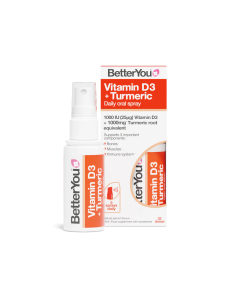
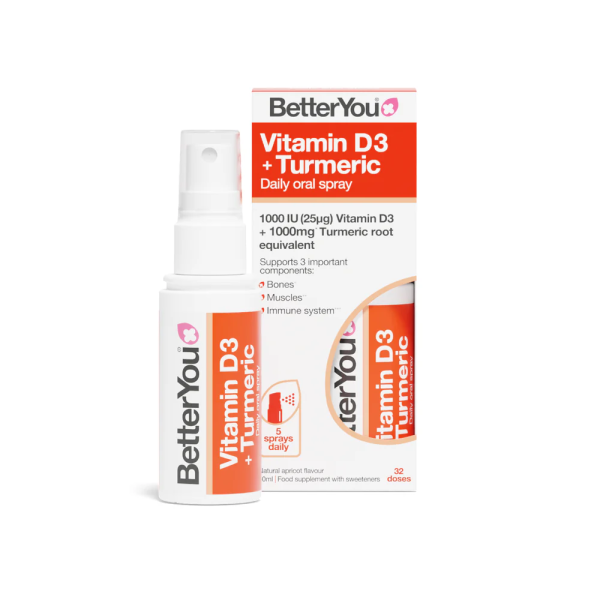
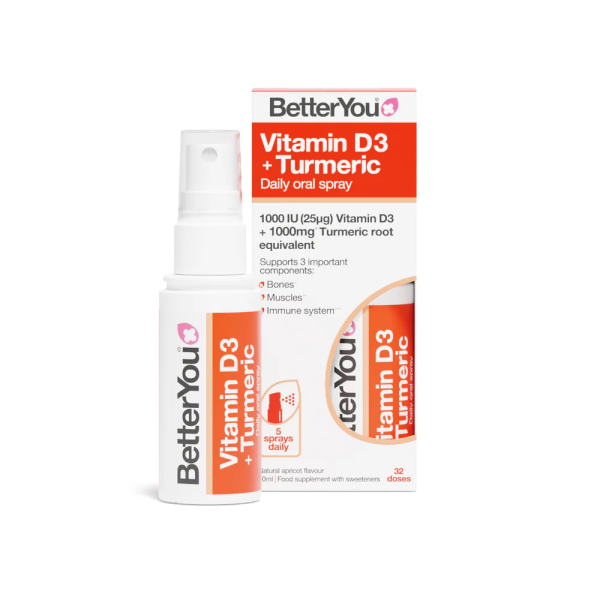
  1. BetterYou Vitamin D3 + Turmeric Oral Spray (50ml)
    BetterYou Vitamin D3 + Turmeric Oral Spray (50ml)
    €27.96
  2. Salus Haus One Essence 67 Elements (250ml)
    Salus Haus One Essence 67 Elements (250ml)
    €16.95
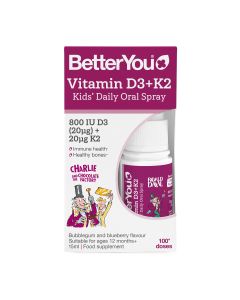
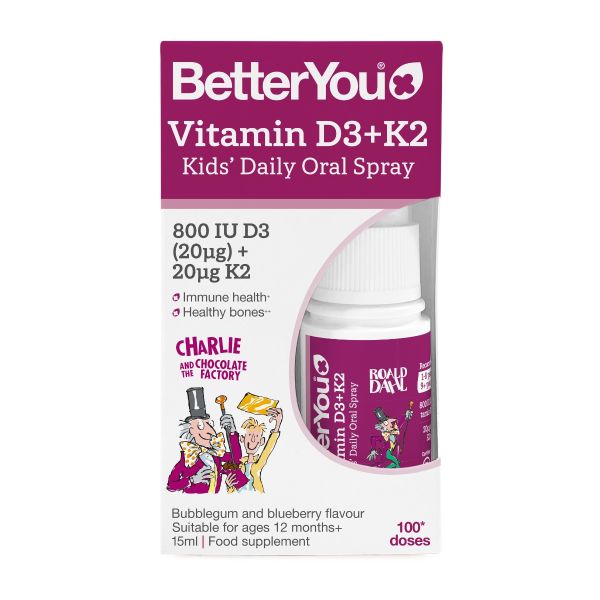
  3. Better You Kids Vitamin D3 + K2 Oral Spray (15ml)
    Better You Kids Vitamin D3 + K2 Oral Spray (15ml)
    €12.95
  4. BioCare Baby & Children's Vitamin D3 15ml
    BioCare Baby & Children's Vitamin D3 15ml
    €15.50
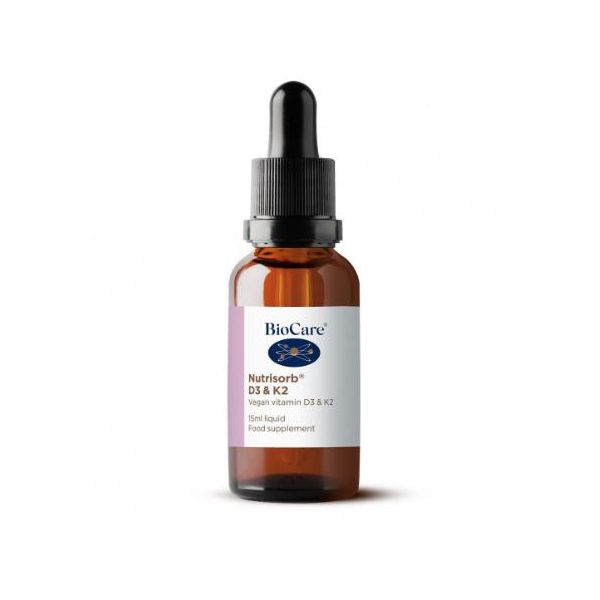
  5. BioCare Nutrisorb D3 & K2 (15ml)
    BioCare Nutrisorb D3 & K2 (15ml)
    €31.50
  6. BioCare Vitamin D3 1000iu (60 Capsules)
    BioCare Vitamin D3 1000iu (60 Capsules)
    €19.50
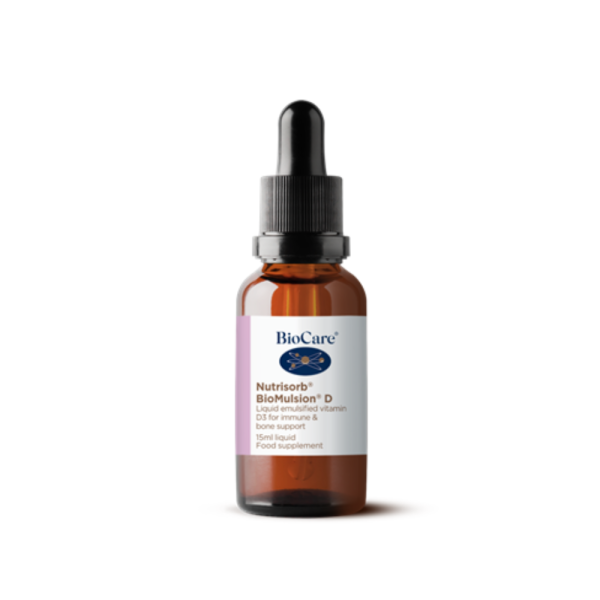
  7. Biocare Nutrisorb BioMulsion D (15ml)
    Biocare Nutrisorb BioMulsion D (15ml)
    €16.95
  8. Better You D3 + K2 Oral Spray (12ml)
    Better You D3 + K2 Oral Spray (12ml)
    €14.51
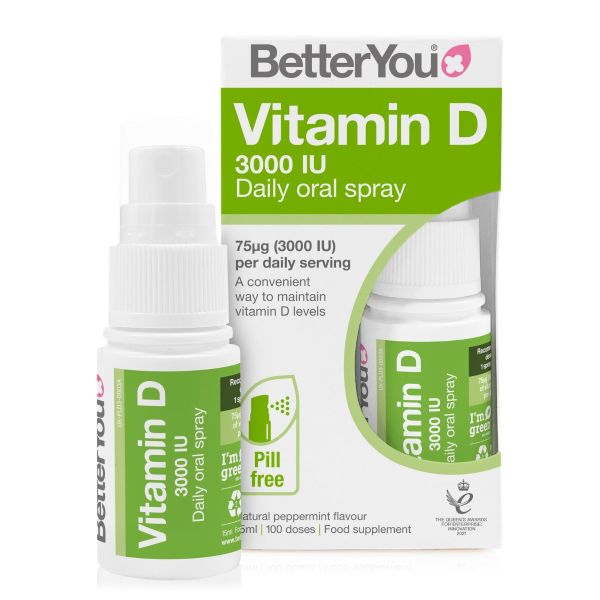
  9. Better You D3000 Oral Spray (15ml)
    Better You D3000 Oral Spray (15ml)
    €12.50
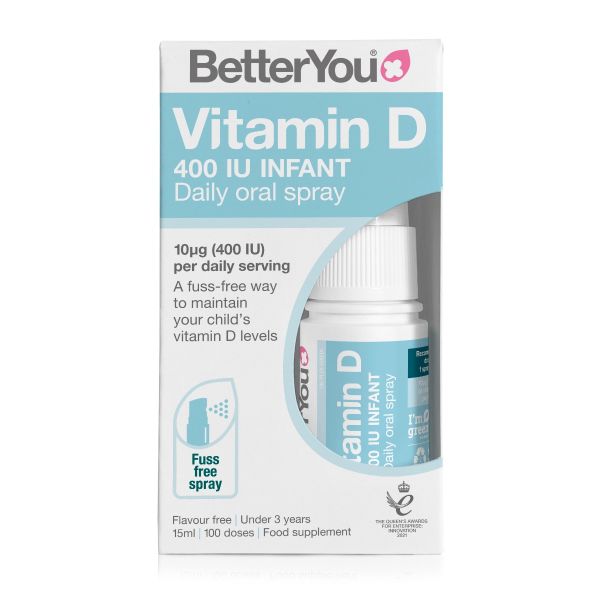
  10. Better You D400 Infant Vitamin D Oral Spray 15ml
    Better You D400 Infant Vitamin D Oral Spray 15ml
    €9.95
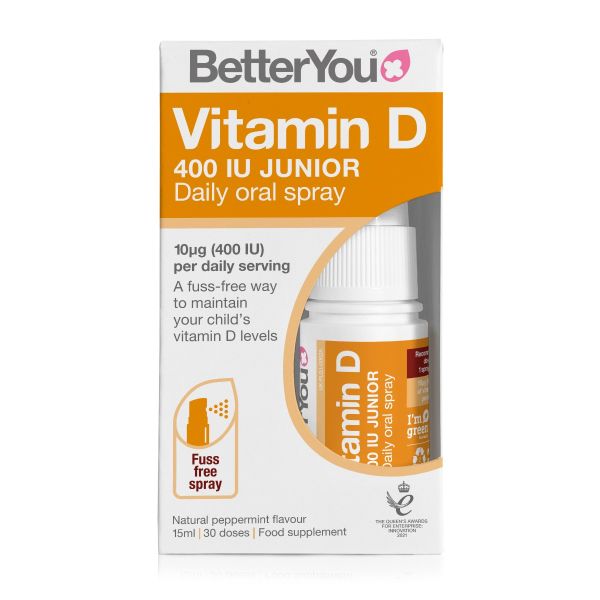
  11. Better You D400 Junior Oral Spray (15ml)
    Better You D400 Junior Oral Spray (15ml)
    €9.95
  12. Lifeplan Vitamin D3 400iu (60 Tablets)
    Lifeplan Vitamin D3 400iu (60 Tablets)
    €7.25
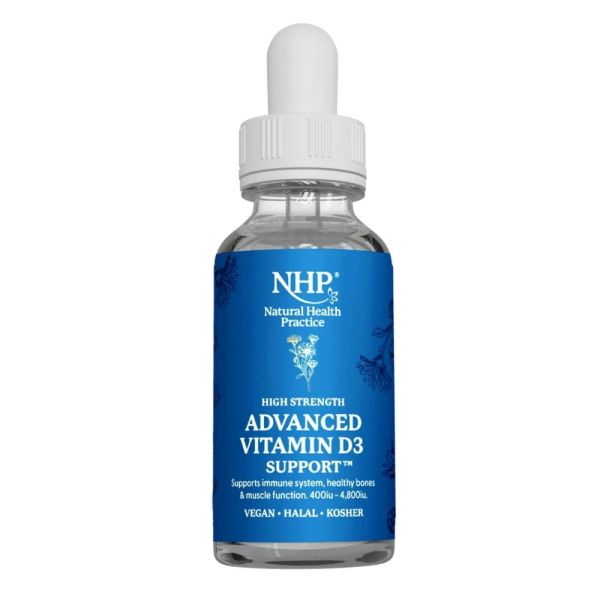
  13. NHP Vitamin D3 Support (30 ml)
    NHP Vitamin D3 Support (30 ml)
    €18.95
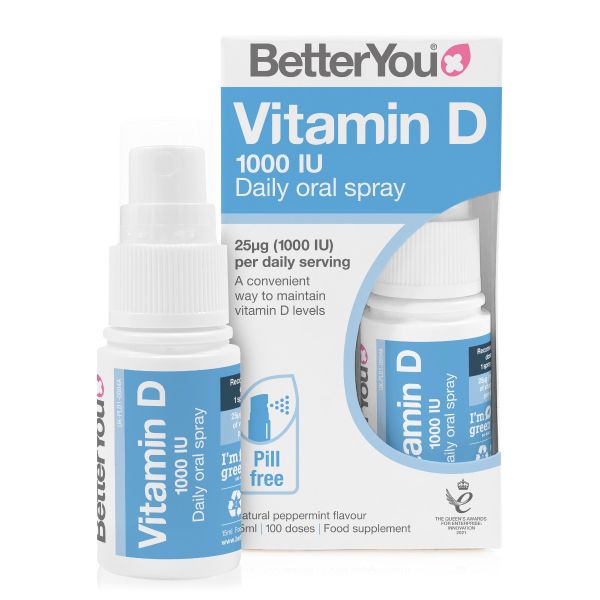
  14. Better You D1000 Vitamin D3 Oral Spray (15ml)
    Better You D1000 Vitamin D3 Oral Spray (15ml)
    €10.50

Your Heart Health: Essential Supplements


In addition to a healthy diet and lifestyle, certain heart-healthy supplements may offer benefits to support cardiovascular health.

Here are some supplements that are commonly recommended for heart health:

1. Omega-3 Fatty Acids (Fish Oil or Algal Oil)

  • Benefits: Omega-3s, particularly EPA and DHA, have been shown to reduce inflammation, lower triglyceride levels, and improve heart health. They may also help lower blood pressure.
  • Sources: Fish oil, algae-based supplements (for vegetarians), flaxseed, chia seeds, and walnuts.

2. Coenzyme Q10 (CoQ10)

  • Benefits: CoQ10 is an antioxidant that helps with energy production in cells and may improve blood vessel health, reduce oxidative stress, and support heart function. It is especially beneficial for individuals taking statin medications, as statins can deplete CoQ10 levels.
  • Sources: CoQ10 is naturally produced by the body, but supplementation can be helpful, particularly in older adults as CoQ10 levels can naturally decline with age.

3. Magnesium

  • Benefits: Magnesium plays a crucial role in maintaining healthy blood pressure, regulating heart rhythm, and supporting proper muscle function, including the heart. Studies have suggested that magnesium deficiency is linked to an increased risk of coronary artery calcification (buildup of calcium in the arteries).
  • Sources: Magnesium-rich foods like leafy greens, almonds, and bananas, or magnesium supplements.

4. Vitamin D

  • Benefits: Some studies have found a link between low levels of vitamin D and an increased risk of heart disease, hypertension, and diabetes.
  • Sources: Fatty Fish, eggs, fortified foods, exposure to sunlight. If you have difficulty getting enough vitamin D from sun exposure or food, supplements can be an effective option.

5. Garlic Extract

  • Benefits: Garlic has been shown to reduce blood pressure, lower cholesterol levels, and improve overall cardiovascular health. It also has anti-inflammatory and antioxidant properties that support heart function.
  • Sources: Garlic supplements or raw garlic in food.

6. Plant Sterols

  • Benefits: Plant sterols (also known as phytosterols) are naturally occurring compounds found in plants that have a structure similar to cholesterol. Because of this similarity, plant sterols can help reduce cholesterol levels by blocking the absorption of cholesterol in the intestines.
  • Sources: Supplements or foods like vegetables and fruits, vegetable oils, nuts, cereals, and seeds

7. Fiber (Psyllium, Glucomannan, or Flaxseed)

  • Benefits: Soluble fiber helps lower LDL cholesterol and promotes heart health by reducing blood sugar and triglyceride levels. It also aids in maintaining a healthy weight and supports healthy digestion.
  • Sources: Psyllium husk, glucomannan (from konjac root), or ground flaxseed.

8. Hawthorn Berry

  • Benefits: Hawthorn is a herb traditionally used to support heart health. Hawthorn has been shown to have a blood pressure-lowering effect in some studies.
  • Sources: Hawthorn berry extract or teas.

9. L-Carnitine

  • Benefits: L-carnitine helps convert fat into energy and may improve exercise performance, blood flow, and lipid profile. It has been studied for its potential benefits in heart disease.
  • Sources: L-carnitine supplements, or foods like red meat, poultry and dairy.

10. Turmeric (Curcumin)

  • Benefits: Curcumin, the active compound in turmeric, has potent anti-inflammatory and antioxidant effects. It may help reduce inflammation and improve heart health by lowering cholesterol levels, improving endothelial function, and supporting blood pressure regulation.
  • Sources: Curcumin supplements or turmeric root (when used in cooking, absorption may be enhanced with black pepper).

Important Considerations:

  • Quality: Not all supplements are created equal. Choose high-quality supplements from reputable brands to ensure purity and potency.
  • Dosage: Always follow recommended dosages, as excessive intake of certain supplements can have adverse effects.
  • Consultation: If you have pre-existing conditions or are on medications (especially blood thinners, blood pressure meds, or statins), always talk to your healthcare provider before starting new supplements to avoid interactions.

While these supplements can complement a heart-healthy lifestyle, they should not replace good nutrition, exercise, and other heart-healthy habits. It’s important to consult with a healthcare provider before adding supplements to your routine, as they can interact with medications or conditions.


  1. Lifeplan Omega 3 Fish Oil 1000mg (90cps)
    Lifeplan Omega 3 Fish Oil 1000mg (90cps)
    €16.50
  2. BioCare Vegan Omega 3 (60 Caps)
    BioCare Vegan Omega 3 (60 Caps)
    €39.50
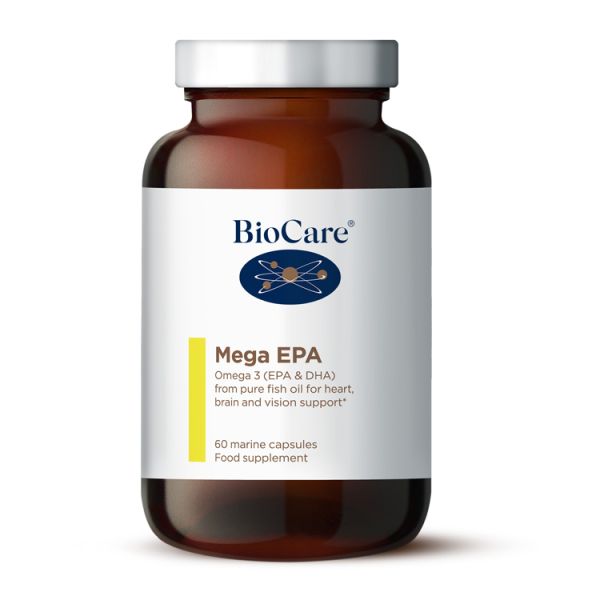
  3. BioCare Mega EPA (60 Capsules)
    BioCare Mega EPA (60 Capsules)
    €26.36 €32.95
    _
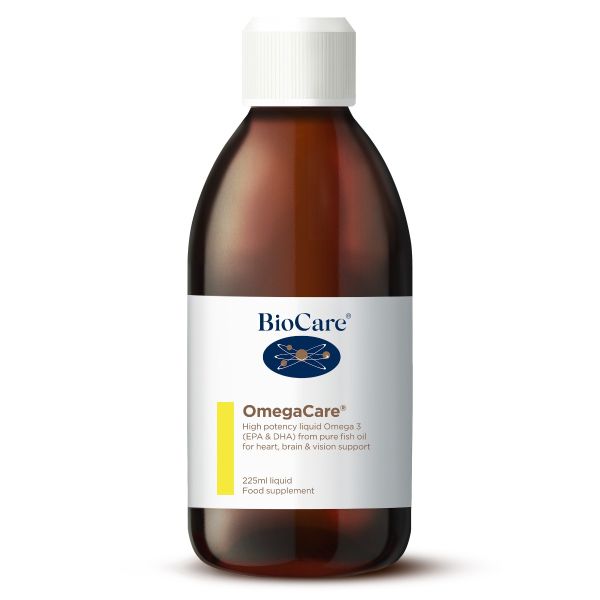
  4. Biocare OmegaCare (225ml)
    Biocare OmegaCare (225ml)
    €52.95
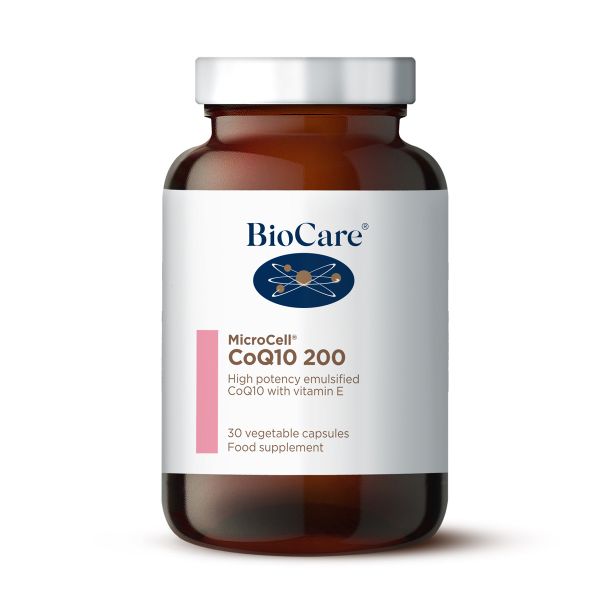
  5. BioCare MicroCell CoQ10 200 (30 Capsules)
    BioCare MicroCell CoQ10 200 (30 Capsules)
    €62.50
  6. Biocare Evening Primrose Oil (30 Capsules)
    Biocare Evening Primrose Oil (30 Capsules)
    €12.95
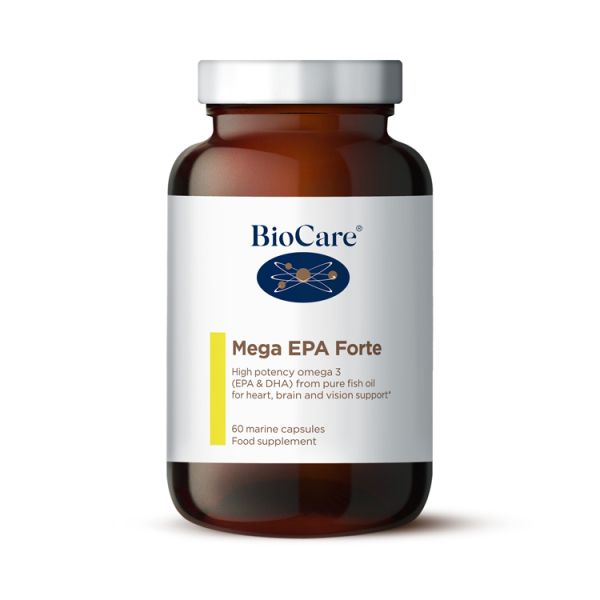
  7. BioCare Mega EPA Forte (60 Capsules)
    BioCare Mega EPA Forte (60 Capsules)
    €42.95
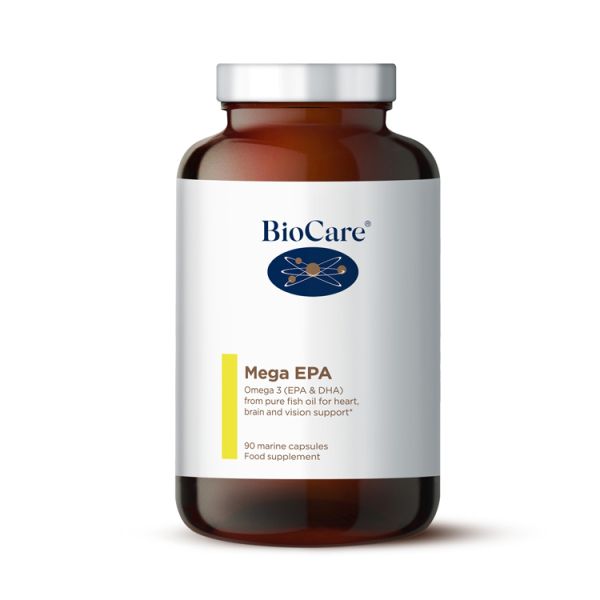
  8. BioCare Mega EPA (90 Capsules)
    BioCare Mega EPA (90 Capsules)
    €43.50
  9. BioCare Mega EPA (60 Capsules)
    BioCare Mega EPA (60 Capsules)
    €32.95
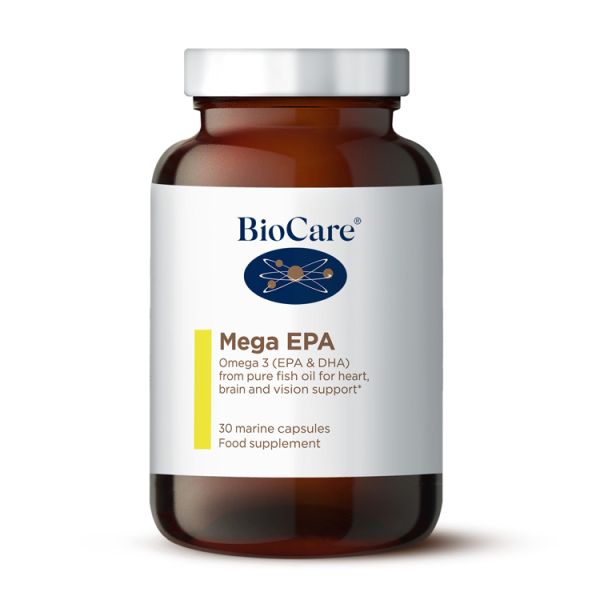
  10. BioCare Mega EPA (30 Capsules)
    BioCare Mega EPA (30 Capsules)
    €18.50
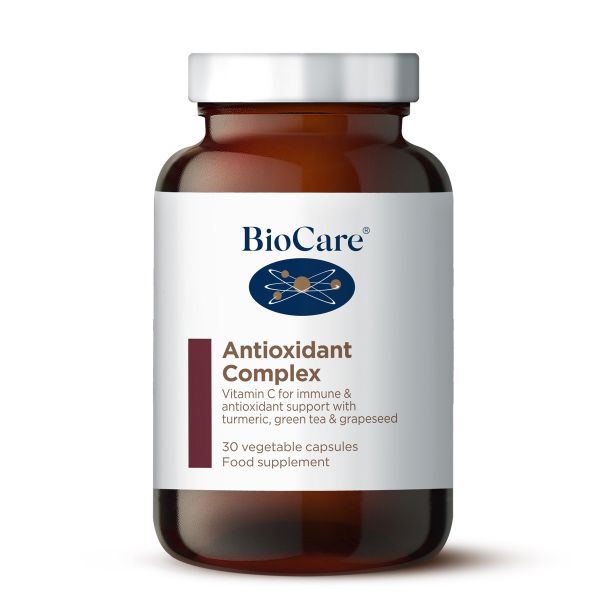
  11. Biocare Antioxidant Complex (30 Capsules)
    Biocare Antioxidant Complex (30 Capsules)
    €37.50
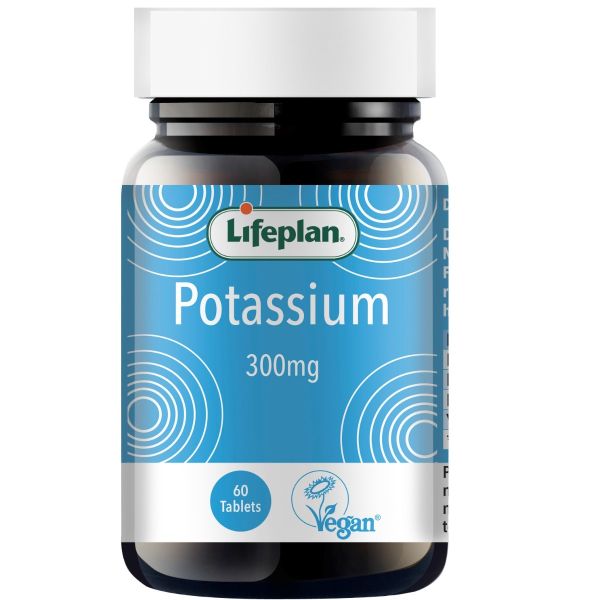
  12. Lifeplan Potassium 300mg (60 Tablets)
    Lifeplan Potassium 300mg (60 Tablets)
    €11.50

Items 1 to 12 of 14 total

Page