How Vitamin D Improves Health: Bones, Immunity, Mood, and More

- Oct 1, 2025
- Posted by:
Vitamin D, often called the “sunshine vitamin,” is essential for maintaining overall health and wellbeing. Produced naturally when the skin is exposed to sunlight, Vitamin D supports many vital processes in the body. Yet despite its importance, Vitamin D deficiency is surprisingly common worldwide. Let’s explore why this nutrient is so powerful, where it comes from, and how to ensure you’re getting enough.
1. Bone Health
- Calcium Absorption: Vitamin D helps the body absorb calcium and phosphorus, which are essential for strong bones. Without enough Vitamin D, children can develop rickets, and adults may face osteoporosis or fragile bones.
- Bone Density: By improving calcium absorption, Vitamin D strengthens bones, reduces fracture risks, and supports long-term skeletal health.
2. Immune System Support
- Defence Against Illness: Vitamin D activates T cells, which detect and fight off harmful bacteria and viruses.
- Inflammation Control: Adequate levels can reduce inflammation, helping to manage autoimmune conditions and lower the risk of infections.
3. Mental Health & Mood
- Mood Regulation: Low Vitamin D levels are linked to depression and mood disorders such as Seasonal Affective Disorder (SAD). Adequate intake may improve mood and emotional wellbeing.
- Cognitive Function: Studies suggest Vitamin D supports brain health and may help lower the risk of cognitive decline and neurodegenerative diseases like Alzheimer’s.
4. Heart & Muscle Health
- Cardiovascular Benefits: Vitamin D plays a role in regulating blood pressure and may help maintain healthy cholesterol levels.
- Muscle Strength: Sufficient levels improve strength and coordination, reducing the risk of falls in older adults. It may also ease muscle pain and weakness.
5. Digestive Health
- Gut Microbiome: Vitamin D supports a healthy gut environment by regulating inflammation and influencing microbiome balance, which contributes to better digestive health.
6. Risk Factors for Deficiency
Certain groups are more prone to Vitamin D deficiency, including:
- People who spend little time outdoors
- Those living in northern climates with limited sunlight
- People with darker skin tones (as melanin reduces Vitamin D production)
- Older adults, whose skin is less efficient at producing Vitamin D
- Individuals with certain health conditions affecting absorption (e.g., Crohn’s, celiac disease)
7. How Vitamin D Works with Other Nutrients
- Magnesium: Essential for converting Vitamin D into its active form. Without enough magnesium, Vitamin D supplementation may be less effective.
- Vitamin K2: Works alongside Vitamin D to ensure calcium is deposited in bones rather than soft tissues or arteries.
8. Sources of Vitamin D
- Sunlight: The best natural source—just 10–30 minutes of sunlight exposure a few times a week (depending on skin type, location, and season) is usually enough.
- Diet: Foods like fatty fish (salmon, mackerel), egg yolks, fortified dairy, and mushrooms provide additional Vitamin D.
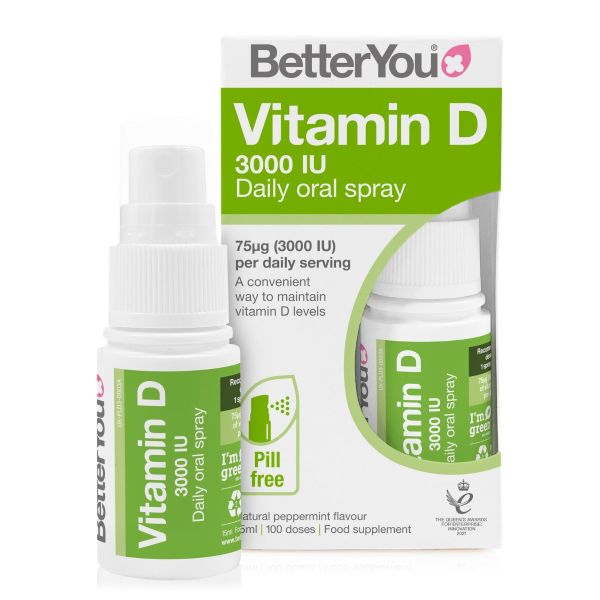
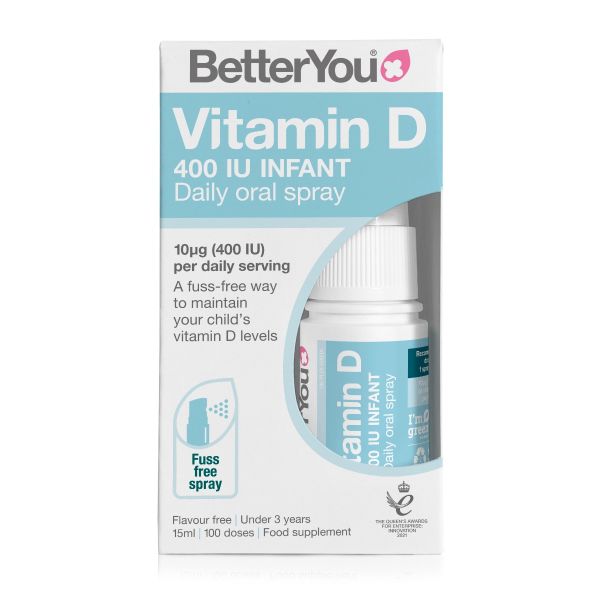
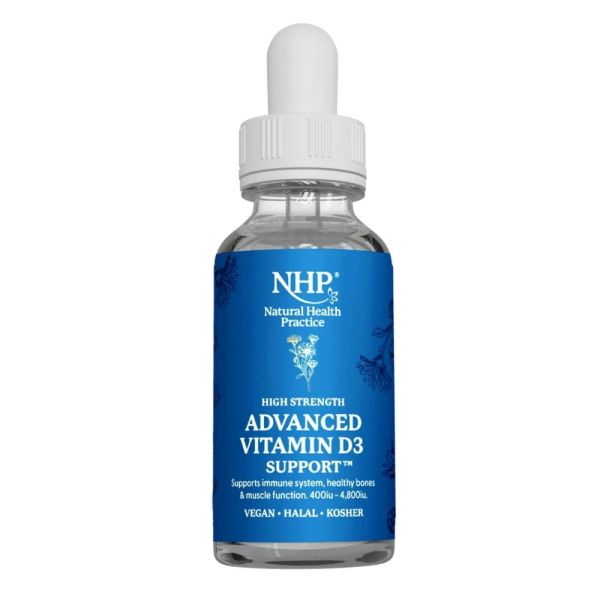
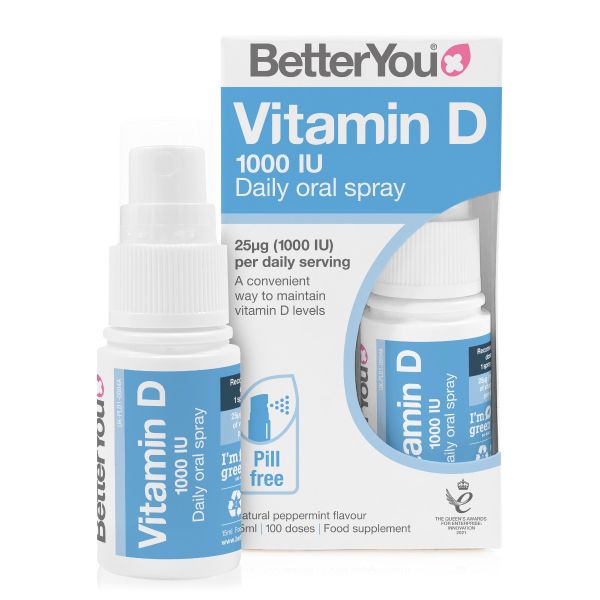
- Supplements: For those with limited sun exposure or restricted diets, supplements can be an effective way to maintain healthy levels.
9. Signs of Deficiency
Common symptoms include fatigue, bone pain, frequent infections, and muscle weakness. Severe deficiency can lead to conditions like osteomalacia (soft bones) or rickets.
10. Seasonal & Lifestyle Considerations
- Winter Months: In many regions, the sun is not strong enough to produce Vitamin D in the skin during winter.
- Indoor Lifestyle: Office jobs, online work, and reduced outdoor activity have increased deficiency rates worldwide.
- Sunscreen Use: While sunscreen is essential for preventing skin cancer, it can also reduce Vitamin D production. Balancing safe sun exposure is key.
11. Regular Check-Ups
A simple blood test can measure Vitamin D levels. If you’re at risk of deficiency, your healthcare provider can recommend safe supplementation tailored to your needs.
Vitamin D is vital for strong bones, a healthy immune system, stable mood, and overall wellbeing. By getting regular sunlight, eating Vitamin D-rich foods, or using supplements when needed, you can protect your health and vitality.
-
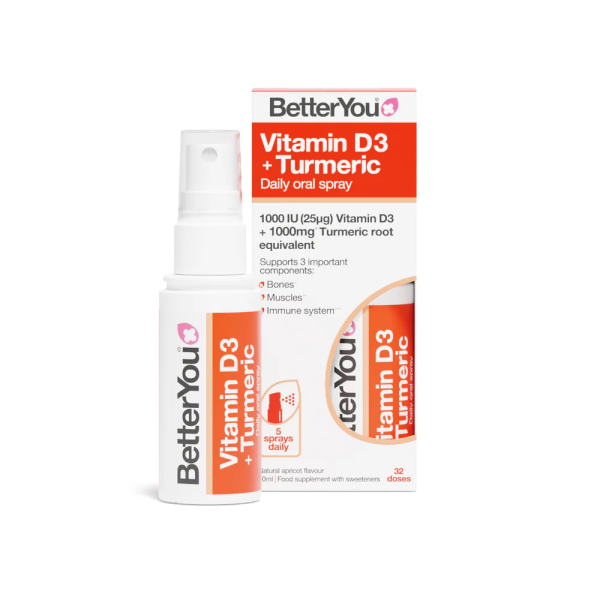
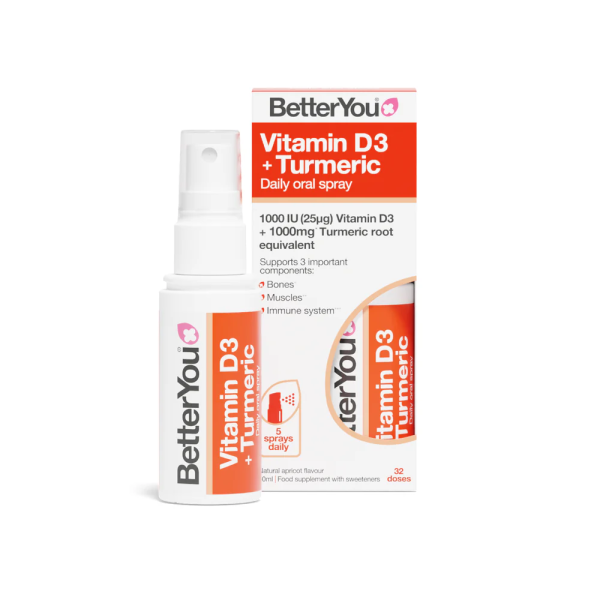 BetterYou Vitamin D3 + Turmeric Oral Spray (50ml)€22.36 €27.95
 -
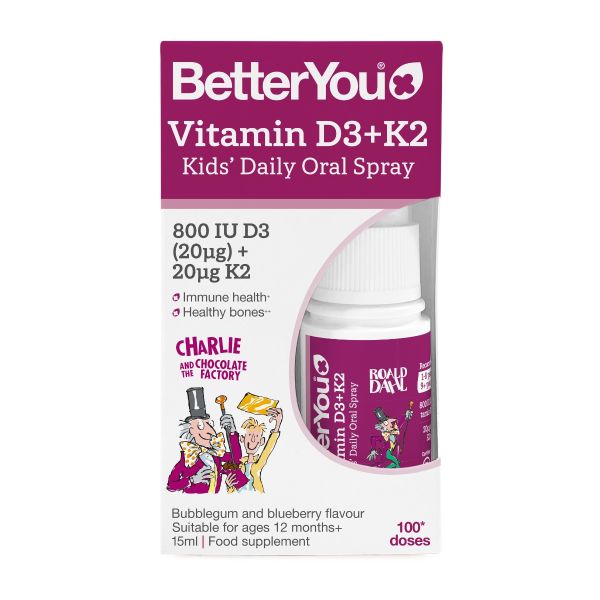
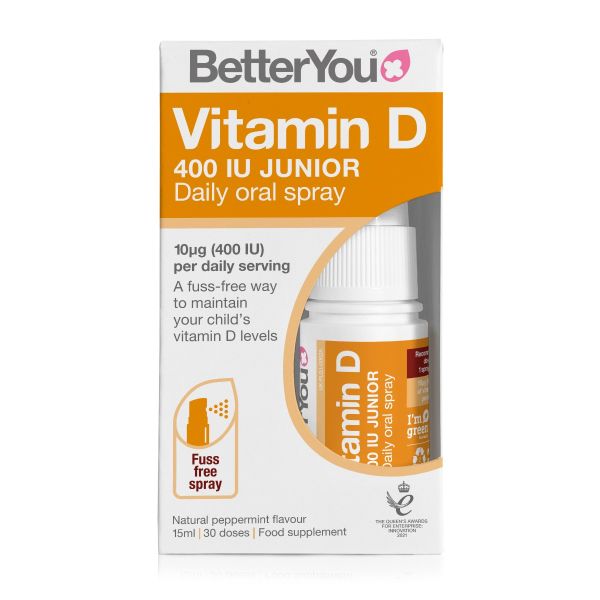 Better You D400 Junior Oral Spray (15ml)€7.96 €9.95