Winter Nutrition: Key Nutrients to Focus on During the Colder Months

- Nov 2, 2026
- Posted by:
As winter approaches, many of us naturally start spending more time indoors, reaching for comforting foods and thinking more intentionally about our daily wellbeing routines. While a balanced diet remains the foundation of good nutrition, certain vitamins and minerals often come into focus during the colder months, particularly in Ireland, where seasonal changes can influence both our diet and lifestyle.
Whether you're reviewing your supplement routine or simply looking to learn more about essential nutrients, these are five key vitamins and minerals worth knowing about this winter.
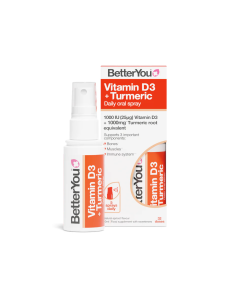
Vitamin D: Ireland's Most Talked-About Winter Nutrient
Of all the nutrients associated with winter wellness, vitamin D is perhaps the most important topic of conversation in Ireland.
Unlike most vitamins, vitamin D can be produced by the body when our skin is exposed to sunlight. However, due to Ireland's northern latitude, sunlight between late autumn and early spring is generally not strong enough to support meaningful vitamin D production. The Food Safety Authority of Ireland describes this period as Ireland's "vitamin D winter", which typically runs from the end of October through to late March.
Research has shown that low vitamin D status is common within the Irish population, particularly during winter months when daylight hours are shorter and outdoor exposure naturally declines.
While vitamin D is found in foods such as:
- Oily fish
- Egg yolks
- Fortified milks
- Fortified cereals
it can be difficult for many people to obtain consistent amounts through diet alone. As a result, vitamin D supplements have become a popular choice for many Irish households during winter.
Omega-3: A Staple of Many Wellness Routines
Omega-3 fatty acids remain one of the most widely used supplements worldwide, valued for their place in a balanced diet and overall wellness routine.
Naturally found in oily fish, omega-3 fats can sometimes be harder to obtain regularly during busy weeks, making supplements a convenient alternative for many people.
Dietary sources include:
- Salmon
- Sardines
- Mackerel
- Herring
- Trout
Plant-based sources such as flaxseeds, chia seeds and walnuts also contain omega-3 fatty acids, making them great additions to seasonal breakfasts and warming winter meals.
Whether sourced from food or supplements, omega-3 products are a consistent favourite.
Magnesium: A Modern Wellness Favourite
Magnesium has become one of the most sought-after minerals in the supplement category and is often included as part of daily wellbeing habits.
This essential mineral is found naturally in:
- Nuts and seeds
- Wholegrains
- Leafy green vegetables
- Legumes
- Dark chocolate
Despite being widely available in food, many people choose magnesium supplements due to the challenges of maintaining a balanced diet every day.
Today, magnesium is available in a variety of formats including capsules, powders, liquids and combined nutrient formulas, making it easy to incorporate into existing routines.
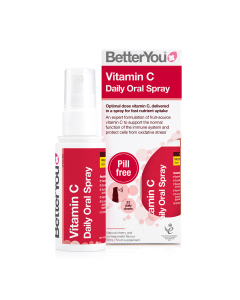
Vitamin C: A Year-Round Essential
Vitamin C has long been one of the most recognisable nutrients on the supplement shelf and is particularly popular during autumn and winter.
Found in an abundance of colourful fruits and vegetables, vitamin C is naturally present in:
- Citrus fruits
- Kiwis
- Berries
- Peppers
- Broccoli
- Brussels sprouts
Winter is actually a fantastic time to enjoy many vitamin C-rich foods as part of soups, salads and seasonal recipes.
For those looking for additional convenience, vitamin C supplements are available in tablets, capsules, powders and effervescent formats, making them one of the most versatile products in the nutrition category.
Zinc: A Small Mineral With a Big Presence
Although required in smaller amounts than some other nutrients, zinc remains a popular addition to many supplement collections.
Common food sources include:
- Meat
- Seafood
- Seeds
- Nuts
- Beans
- Wholegrains
Because zinc is present across both animal and plant foods, it can be included as part of many different dietary patterns.
Often paired with vitamin C in supplement formulations, zinc continues to be one of the most frequently chosen minerals during the winter season.
When it comes to winter nutrition, consistency is often more important than complexity. A varied diet rich in whole foods, combined with sensible lifestyle habits and carefully chosen supplements, can help create a nutritional foundation that supports your overall wellbeing goals throughout the season.
Whether you're looking for vitamin D, omega-3, magnesium, vitamin C or zinc, winter can be the perfect time to review your routine and ensure you're getting the nutrients that matter most to you.