Vitamin D in Ireland: What You Need to Know as Autumn Approaches

- Aug 27, 2026
- Posted by:
As the days begin to shorten and autumn settles in, it's a good time to think about vitamin D. Unlike many nutrients, vitamin D is unique because our bodies can produce it when our skin is exposed to sunlight.
The challenge in Ireland is that our climate and location don't allow for vitamin D production all year round. According to the Food Safety Authority of Ireland (FSAI), there is an extended winter period, from around the end of October to March, when sunlight isn't strong enough to support adequate vitamin D production in the skin.
That's why vitamin D becomes particularly important as we move into the autumn and winter months.
What is Vitamin D?
Vitamin D is an essential nutrient that supports several important functions in the body.
It contributes to:
- The maintenance of normal bones
- Normal muscle function
- The normal function of the immune system
Vitamin D also helps the body absorb and use calcium, making it an important nutrient for maintaining healthy bones throughout life.
Why is Vitamin D Particularly Important in Ireland?
Less Sunlight During Winter
Our bodies naturally produce vitamin D when ultraviolet B (UVB) rays from sunlight reach the skin. However, because Ireland is located at a northerly latitude, UVB levels are too low during the extended winter months for most people to produce sufficient vitamin D from sunlight alone.
Summer Sunshine Doesn't Always See Us Through Winter
While spending time outdoors during the summer can help build vitamin D stores, it doesn't always guarantee adequate levels throughout the winter months.
Factors such as time spent indoors, skin tone, sunscreen use, clothing coverage and lifestyle habits can all influence how much vitamin D your body produces and stores.
Food Sources of Vitamin D
Although vitamin D is found in relatively few foods, including these foods regularly may help contribute to your intake.
Some of the best natural sources include oily fish such as:
- Salmon
- Mackerel
- Trout
Vitamin D can also be found in eggs, meat and foods fortified with vitamin D, including some dairy products and breakfast cereals.
Who Should Consider Supplementation?
Current Irish guidance recommends vitamin D supplementation during the winter months for many people.
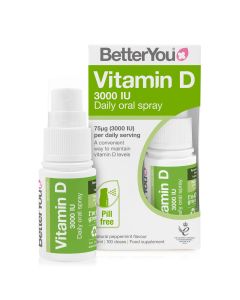
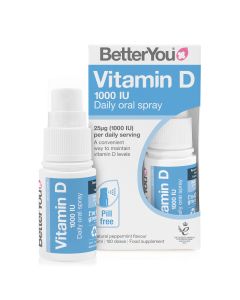
The FSAI recommends that healthy teenagers and adults aged 12 to 65 years who are fair-skinned and receive adequate summer sunlight take a daily supplement providing 15µg (600 IU) of vitamin D during the extended winter period.
Similarly, the HSE advises people aged 13 to 64 to take 15µg (600 IU) of vitamin D from Halloween through to St Patrick's Day.
Some groups are advised to supplement throughout the year, including:
- People with darker skin tones
- People who have little or no exposure to sunlight
- People who are pregnant
These groups may be at a greater risk of low vitamin D status.
As autumn approaches, vitamin D is worth putting back on your wellbeing radar. With less UVB sunlight available during the colder months, it can be more difficult to maintain vitamin D levels through sunlight alone.
Ensuring adequate vitamin D intake can help support normal bones, normal muscle function and the normal function of the immune system.
If you're unsure whether vitamin D supplementation is appropriate for you, it's always best to consult the latest HSE and FSAI guidance or speak with a healthcare professional.