Jack n Jill

Plastic Free July: Small Swaps for a Healthier Planet


Plastic Free July is a global movement encouraging people to reduce their reliance on single-use plastics and adopt more sustainable everyday habits. While going completely plastic-free can feel overwhelming, the goal isn’t perfection it’s progress. Small, consistent changes can make a meaningful difference over time.

From bathroom routines to household essentials, there are many simple ways to reduce plastic use without sacrificing quality or convenience. By becoming more mindful of what we use and how it’s packaged, we can support both our own wellbeing and the health of the planet.

Why Reducing Plastic Matters

Single-use plastics are designed for convenience but often remain in the environment for hundreds of years. Much of this waste ends up in landfill or oceans, contributing to pollution and harming wildlife.

Reducing plastic use helps:

  • Lower environmental pollution
  • Decrease landfill waste
  • Protect ecosystems and marine life
  • Encourage more sustainable production practices

Simple Swaps That Make a Difference

1. Rethink Your Haircare Routine

Your shower routine is one of the easiest places to start reducing plastic. Traditional shampoos often come in single-use plastic bottles that quickly add up.

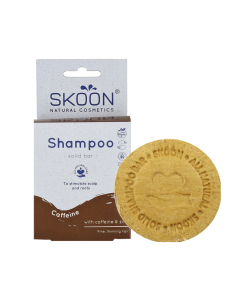
Switching to solid alternatives is a simple yet impactful change. Brands like Skoon offer solid shampoo bars that eliminate the need for plastic packaging.

Skoon also stands out for its commitment to sustainability:

  • Vegan and cruelty-free formulations
  • BDIH certified, ensuring environmentally friendly production and natural ingredients from controlled organic agriculture
  • One shampoo bar can replace up to three 250ml plastic bottles

These bars are long-lasting, compact, and easy to use making them a practical, low-waste swap.

2. Choose Oral Care with Less Waste

Oral care products often generate unnecessary plastic waste, from toothpaste tubes to disposable plastic toothbrushes.

Jack N’ Jill offers thoughtful, eco-conscious alternatives:

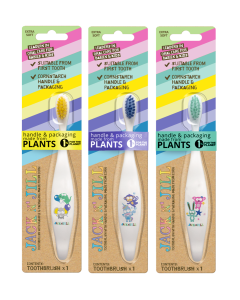
  • Toothbrush handles made from non-GMO cornstarch, making them biodegradable and recyclable
  • Toothpastes that are all-natural, hypoallergenic, and made with gentle ingredients
  • Minimal, BPA-free, and recyclable packaging
  • Certified by COSMOS Natural (Ecocert)
  • Use of plant-based materials
  • Post-consumer recycled plastic in packaging
  • Products that meet compostable standards

These choices help reduce waste while keeping everyday routines simple.

3. Upgrade Your Cleaning Routine

Cleaning products are often packaged in single-use plastic, but there are more sustainable options available.

Brands like Soaply take a more conscious approach:

Soaply focuses on effective, low-impact cleaning:

  • Bottles made from recycled plastic and designed to be endlessly refillable
  • Products that are microplastic-free, and free from unnecessary synthetic fragrances and colourants
  • Natural origin, gentle, effective formulas that are kind to your skin

Soaply emphasises plant-based, biodegradable cleaning solutions, helping to reduce reliance on harsh chemicals and plastic-heavy products.

4. Switch to Refillable Products

Refillable systems allow you to reuse containers instead of constantly replacing them. Over time, this significantly reduces plastic waste and encourages more sustainable consumption habits.

5. Use Bar Soaps Instead of Body Wash

Bar soaps often come in minimal or plastic-free packaging, making them a simple alternative to liquid body washes in plastic bottles.

6. Choose Reusable Beauty Essentials

Single-use products like wipes and cotton pads can quickly add up. Reusable alternatives such as washable cloths are a more sustainable and cost-effective option.

7. Try Plastic-Free Deodorants

Many deodorants are now available in cardboard tubes or refillable packaging, helping reduce plastic use without compromising performance.

8. Carry Reusables Daily

Small daily habits like carrying a reusable water bottle, shopping bag, or coffee cup can significantly cut down on single-use plastics.
Understanding Eco-Friendly Packaging - Packaging plays a major role in sustainability, and understanding the different types can help you make more informed choices.

Plant-Based Materials - Renewable materials, such as cornstarch-based plastics, reduce reliance on fossil fuels and offer more environmentally conscious alternatives.

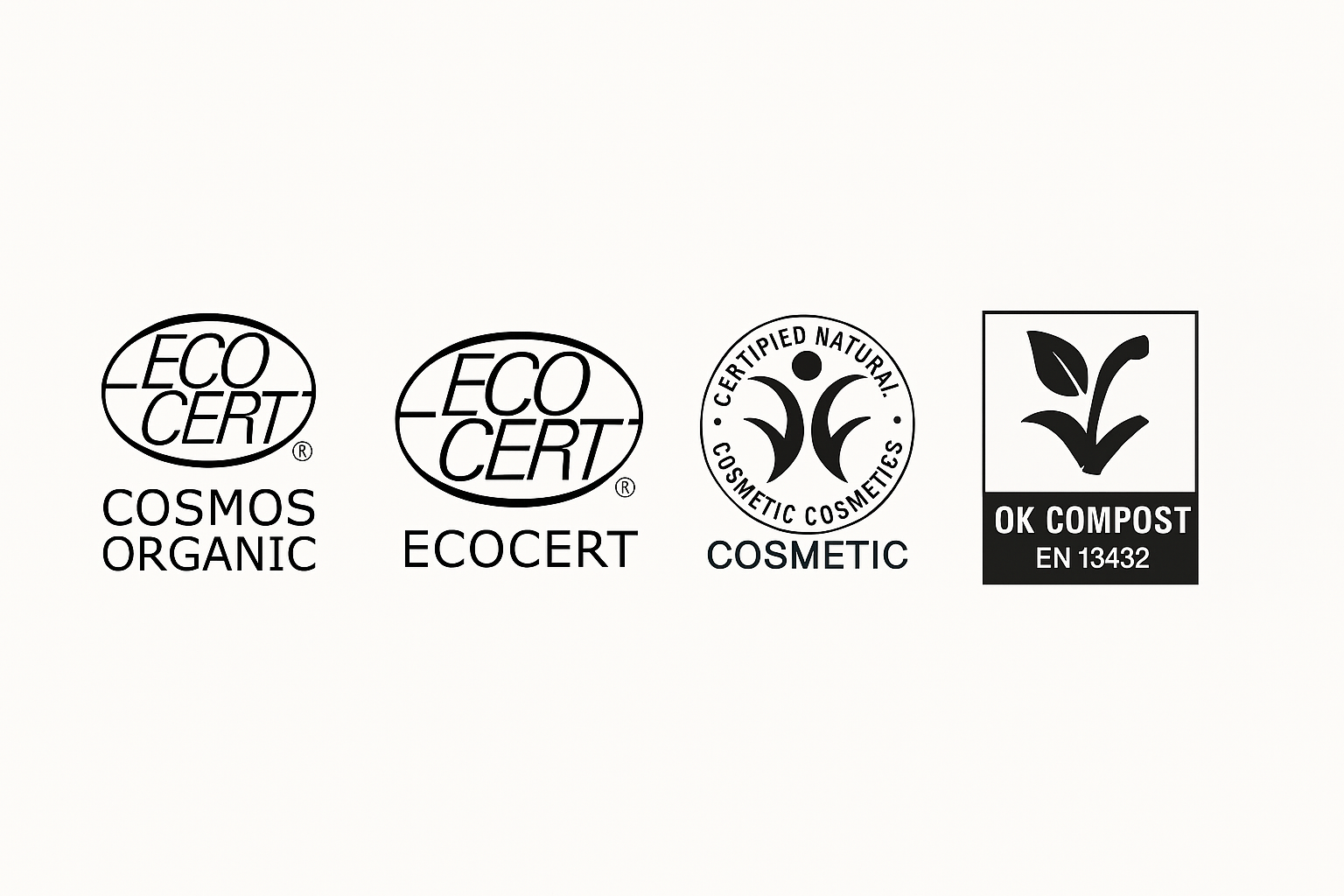
Compostable Packaging - Compostable materials are designed to break down into natural elements. Certifications like OK Compost ensure recognised compostability standards.

Recycled and Post-Consumer Materials - Packaging made from post-consumer recycled (PCR) plastic gives existing materials a second life and reduces the need for new plastic production.

Minimal and Recyclable Design

Reducing unnecessary packaging is often the most effective step. Minimal, recyclable designs help lower overall environmental impact.


Why Packaging Choices Matter

Packaging makes up a significant portion of household waste. Choosing products with sustainable packaging helps reduce environmental impact while supporting responsible brands.These everyday decisions contribute to a wider shift towards more sustainable living. 

Even switching just a few products can prevent a significant amount of waste over time, the key is choosing changes that fit your lifestyle.

Understanding Eco-Friendly Certifications

When choosing plastic-free or low-waste products, certifications can help you separate genuine sustainability from marketing claims. These labels are independently verified, giving reassurance that a product meets recognised environmental standards.

For packaging, certifications like EN 13432 and OK Compost indicate that materials are truly compostable meaning they break down under specific conditions without leaving harmful residues.

In beauty and personal care, standards such as COSMOS, Ecocert, and BDIH ensure that products are made using natural ingredients and environmentally responsible production methods.

You may also see indicators like post-consumer recycled (PCR) materials, which show that packaging has been made from recycled content, helping reduce the need for new plastic.

It’s important to be aware that terms like “biodegradable” or “eco-friendly” are not always regulated. Certifications provide trusted, third-party proof that a product performs as it claims, helping you make more informed and sustainable choices.

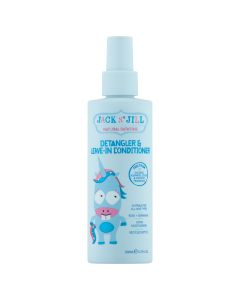
  1. Jack N' Jill Detangler & Leave-In Conditioner (200ml)
    Jack N' Jill Detangler & Leave-In Conditioner (200ml)
    €12.95
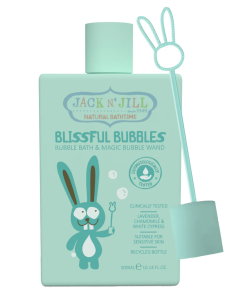
  2. Jack N' Jill Bubble Bath with Bubble Wand (300ml)
    Jack N' Jill Bubble Bath with Bubble Wand (300ml)
    €11.96
  3. Jack N' Jill Baby Wash Fragrance Free (300ml)
    Jack N' Jill Baby Wash Fragrance Free (300ml)
    €11.96
  4. Jack N' Jill Shampoo & Body Wash (300ml)
    Jack N' Jill Shampoo & Body Wash (300ml)
    €11.96
  5. Jack N' Jill Milkshake Toothpaste (50g)
    Jack N' Jill Milkshake Toothpaste (50g)
    €6.49
  6. Jack N' Jill Fairy Floss Dental Flossers (30 pack)
    Jack N' Jill Fairy Floss Dental Flossers (30 pack)
    €4.94
  7. Jack N' Jill Bio Toothbrush - Assorted
    Jack N' Jill Bio Toothbrush - Assorted
    €4.75
  8. Skoon Scrub & Shower Bar 2 in 1 (90g)
    Skoon Scrub & Shower Bar 2 in 1 (90g)
    €7.95
  9. Weleda Sensitive Deodorant Stick (50g)
    Weleda Sensitive Deodorant Stick (50g)
    €12.95
  10. Weleda Citrus & Bergamont Deodorant Stick (50g)
    Weleda Citrus & Bergamont Deodorant Stick (50g)
    €12.95
  11. Weleda Eucalyptus & Peppermint Deodorant Stick (50g)
    Weleda Eucalyptus & Peppermint Deodorant Stick (50g)
    €12.95
  12. Skoon Shampoo Bar Dandruff Free (90g)
    Skoon Shampoo Bar Dandruff Free (90g)
    €7.95
  13. Skoon Shampoo & Conditioner 2in1 Bar  (90g)
    Skoon Shampoo & Conditioner 2in1 Bar (90g)
    €7.95
  14. Skoon Bamboo Bar Holder
    Skoon Bamboo Bar Holder
    €9.95
  15. Skoon Solid Shampoo & Shower Bar 2 in 1 (90g)
    Skoon Solid Shampoo & Shower Bar 2 in 1 (90g)
    €7.95
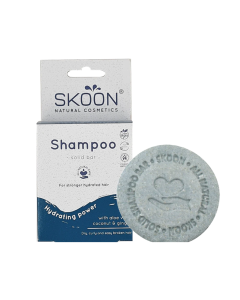
  16. Skoon Solid Shampoo Bar Hydrating Power (90g)
    Skoon Solid Shampoo Bar Hydrating Power (90g)
    €7.95
  17. Skoon Solid Shampoo Bar Caffeine (90g)
    Skoon Solid Shampoo Bar Caffeine (90g)
    €7.95
  18. Skoon Facial Cleansing Bar - Sensitive (50g)
    Skoon Facial Cleansing Bar - Sensitive (50g)
    €9.95
  19. Skoon Facial Cleansing Bar - Normal to Oily (50g)
    Skoon Facial Cleansing Bar - Normal to Oily (50g)
    €9.95
  20. Skoon Reusable Cleansing Pads Bamboo Holder
    Skoon Reusable Cleansing Pads Bamboo Holder
    €9.95
  21. Skoon Reusable Cleansing Pads (7 pads & washbag)
    Skoon Reusable Cleansing Pads (7 pads & washbag)
    €7.95
  22. Skoon Solid Shampoo Bar Volume & Strength 90g
    Skoon Solid Shampoo Bar Volume & Strength 90g
    €7.95
  23. Skoon Konjac Sponge Bamboo Charcoal
    Skoon Konjac Sponge Bamboo Charcoal
    €5.50
  24. Skoon Konjac Sponge Pure Natural
    Skoon Konjac Sponge Pure Natural
    €5.50
  25. Skoon Konjac Sponge Green Tea
    Skoon Konjac Sponge Green Tea
    €5.50
  26. Skoon Solid Conditioner Bar Hypoallergenic Soft & Sensitive (60g)
    Skoon Solid Conditioner Bar Hypoallergenic Soft & Sensitive (60g)
    €7.95
  27. Skoon Solid Shampoo Bar Colour & Shine 90g
    Skoon Solid Shampoo Bar Colour & Shine 90g
    €7.95
  28. Skoon Solid Shower Bar Nourishing into the Deep 90g
    Skoon Solid Shower Bar Nourishing into the Deep 90g
    €7.95
  29. Skoon Solid Shower Bar Flower Power 90g
    Skoon Solid Shower Bar Flower Power 90g
    €7.95
  30. Skoon Solid Shower Bar Fresh to the Max 90g
    Skoon Solid Shower Bar Fresh to the Max 90g
    €7.95

30 Item(s)

Sustainable Practices in Personal Care - How Brands Approach Responsibility


Sustainability has become more than a trend - it’s a growing expectation. From ingredient sourcing to packaging design, many personal care brands are re-evaluating how their products interact with the environment and the communities involved in their production.

Rather than perfection, sustainability often looks like a series of thoughtful choices: how ingredients are grown, how products are made, and how materials are reused or repurposed. Brands such as Weleda, Jack N’ Jill, and Urtekram offer different perspectives on what responsible practices can look like across beauty, dental care, and haircare.

Weleda: Biodiversity and Long-Term Thinking

Weleda is widely recognised for its focus on plant-based formulations and biodynamic farming methods. This approach centres on working in harmony with natural cycles, supporting soil vitality, and encouraging plant diversity.

In the beauty industry, sustainability often extends beyond packaging to include how ingredients are cultivated and harvested. Weleda’s methods reflect a long-term view of land stewardship, where farming is seen as a partnership with nature rather than a process of extraction.

Their philosophy highlights the idea that beauty routines can be connected to broader environmental awareness, encouraging mindful consumption rather than excess.

Weleda: A Holistic and Certified Approach

Weleda has positioned sustainability at the core of its corporate identity, focusing on people, nature and regenerative practices.

B Corp Certification & Standards
Weleda is a certified B Corporation, a designation given to companies that meet high standards of verified environmental and social performance, transparency and accountability. This certification reflects a broader commitment to responsible business practices across governance, workers, community and environmental areas.

Biodiversity & Raw Material Sourcing
A significant portion of Weleda’s plant-based raw materials comes from organic or biodynamic farming or controlled wild collection, with traceability and ethical sourcing embedded in procurement practices. The company also works with long-term cultivation partners and follows structured strategies to protect seed diversity.

Climate & Resource Management
Weleda dedicates efforts to renewable energy use in its production facilities, aims to reduce energy intensity annually, and has initiatives to reduce greenhouse gas emissions throughout its value chain. In some facilities, industry benchmarks show very high proportions of renewable energy usage and targeted improvements in water and waste management.

Packaging Evolution
Packaging choices are continuously evaluated with sustainability in mind. Weleda uses materials such as glass and aluminium where appropriate and participates in collaborative recycling initiatives to explore more ecological packaging materials.

Waste & Biodiversity Initiatives
Across its gardens and cultivation sites, biodynamic farming methods are applied to nurture soil health, support biodiversity and foster resilient ecosystems. This extends to seed strategies and cooperation with initiatives focused on organic and open-pollinated seed cultivation.

Jack N’ Jill: A Thoughtful Approach to Dental Care

Jack N’ Jill brings a sustainability-focused mindset into the world of everyday dental routines. Traditionally, dental care products have relied heavily on plastic components and complex formulations. Jack N’ Jill takes a different approach by rethinking how these items are designed, packaged, and produced.

Their philosophy reflects a growing interest in reducing waste and choosing materials with environmental impact in mind. From packaging choices to ingredient transparency, Jack N’ Jill demonstrates how small daily habits-  like brushing teeth - can align with more conscious living.

Rather than positioning sustainability as an afterthought, their products are designed with environmental considerations built in from the beginning.

Jack N’ Jill focuses on sustainability through certifications, ingredient transparency and packaging design.

Natural Standards Certification
Many of Jack N’ Jill’s dental care products carry COSMOS NATURAL certification from Ecocert, a recognised standard that encompasses environmental responsibility in ingredient sourcing, manufacturing processes and product stewardship.

Ingredient Selection & Transparency
The COSMOS NATURAL standard encourages the use of natural and renewable ingredients, with a focus on environmental safeguards and traceability. Jack N’ Jill maintains transparent practices about ingredient origins and production approaches.

Packaging Practices
Products are designed with minimal, recyclable packaging, and materials are selected to avoid certain plastics such as BPA. Toothbrush handles made from plant-derived materials such as cornstarch are examples of how the brand explores alternatives to conventional plastics.

Commitments & Initiatives
The brand emphasises responsible use of resources in production and packaging, aligning with third-party certification goals that support environmentally considerate practices. Some initiatives also align with broader environmental associations focused on sustainable living.

Urtekram: Nordic Values in Haircare

Urtekram draws inspiration from Scandinavian principles of simplicity, transparency, and respect for nature. Their approach to haircare reflects these values through minimalist formulations and clearly communicated sourcing practices.

Sustainability in haircare often involves questioning what is truly necessary. Urtekram’s philosophy focuses on reducing excess, using carefully selected ingredients, and making conscious choices about packaging.

By keeping things simple, they highlight how responsible practices can feel accessible rather than complicated.

Urtekram: Nordic Values and Ecocert Certification

Urtekram draws on decades of environmental consciousness and organic principles in haircare and personal care.

Ecocert & Cosmos Organic Standards
Urtekram products are certified by Ecocert under the COSMOS Organic standard, indicating that a high proportion of ingredients are from natural origin, produced under environmental and social guidelines.

Vegan and Biodegradable Formulations
Formulations are crafted to be vegan and biodegradable, with deliberate exclusion of synthetic preservatives, silicones and mineral oils - characteristics that align with broader ecological awareness in product design.

Plant-Based Packaging
The brand has been working on packaging innovations using plant-based materials derived from agricultural by-products such as sugar cane waste. These materials can offer recyclable alternatives to traditional plastics and reflect an interest in reducing fossil-based inputs.

Long-Term Environmental Ethos
Founded in Copenhagen in the early 1970s, Urtekram’s sustainability philosophy stems from a natural living and ecological stewardship mindset. Its approach spans product development, ingredient selection, and packaging, with continued recognition for sustainability in industry evaluations.

Sustainability as an Ongoing Process

Sustainability is not a destination -  it is a continuous process of learning, adapting, and improving. As new materials become available and production methods evolve, brands have more opportunities to reduce their environmental footprint.

Weleda, Jack N’ Jill, and Urtekram each demonstrate that sustainability can take many forms. Whether through farming practices, packaging choices, or minimalist design, these approaches show that meaningful change often happens gradually.

Ultimately, sustainable personal care is about making informed choices - for us and for the world around us.