News Centre

Stay as fit as nature intended, read the latest news, advice and inspiration from our natural health blog

Your weight journey, supported your way.

Weight management isn't one-size-fits-all. Every weight journey is different, and the support your body needs can be different too.

BioCare's two targeted formulas are designed to support your body's needs, whichever approach is right for you.

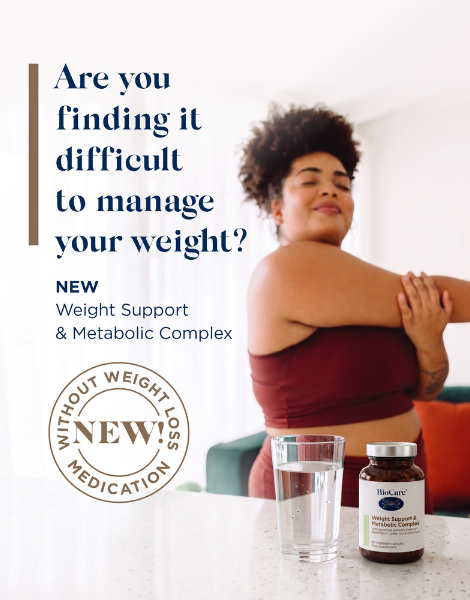
Weight Support and Metabolic Complex

Are you finding it difficult to manage your weight?

Designed for people looking for a comprehensive nutritional approach to healthy weight management without the use of weight loss medication.

  • Weight management is influenced by the complex relationship between our environment and multiple body systems, meaning metabolic support can be key to achieving sustainable results.
  • Sinetrol®®, a clinically researched citrus and guarana blend, has been studied for its role in reducing body fat, particularly around the abdomen, while preserving lean muscle mass.
  • Contains MaxiTherm® cayenne, green tea and chromium to support metabolism, healthy blood sugar balance and appetite control.

Shop Weight Support and Metabolic Complex

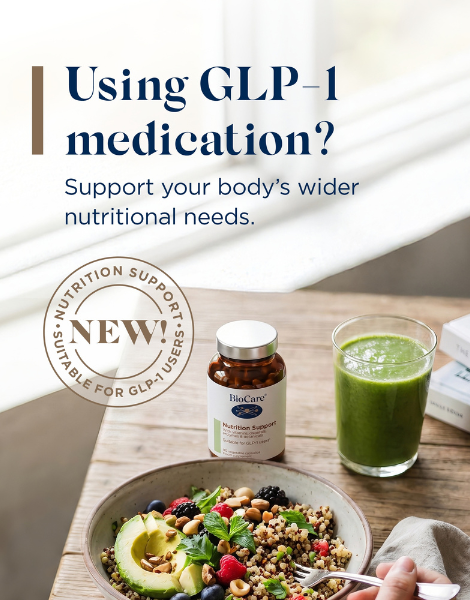
Nutrition Support

Using GLP-1 medication? Your appetite may change, but your nutritional needs haven't.

  • Designed for people using GLP-1 medication who want to support digestive comfort, nutrient intake and overall wellbeing throughout their weight management journey.
  • Provides vitamins A, D, E, K and B12, alongside magnesium, potassium, iron and zinc, to support metabolism, energy, immunity, and bone and muscle health.
  • Includes artichoke, ginger and choline for digestive comfort, liver function and fat metabolism, alongside the digestive enzymes protease, amylase and lipase.
  • Features Oxxynea®, a unique blend of plant extracts equivalent to two portions of fruit and vegetables per day, together with a gentle source of fibre from guar gum (PHGG).

Shop Nutrition Support

Ashwagandha: A Rooted Approach to Modern Stress


Modern life rarely asks us to pause. Stress no longer feels occasional. It is constant. It accompanies us every day. Emails before breakfast, coffee-fuelled mornings, back-to-back meetings - we are constantly bombarded by notifications that never seem to stop. It is no wonder our brains feel exhausted by mid-afternoon, yet we find ourselves wide awake by bedtime, unable to switch off and fall asleep. This is the “tired but wired” rhythm of modern life: high demand, low recovery and very little space to unwind. Over time, this constant state of alertness can leave us feeling depleted, emotionally stretched and disconnected from the calm our bodies naturally crave.

This is where adaptogenic herbs have gained a lot of attention, with ashwagandha becoming one of the standout botanicals in modern wellbeing. This blog explores its benefits, with a focus on stress, mood, and emotional wellbeing.

Meet the root

Ashwagandha, or Withania somnifera, is a botanical root traditionally known as a rasayana herb, meaning it has been used to support vitality, restoration and adaptation. Traditionally used in Ayurvedic practice, and now widely studied in clinical research, ashwagandha has been explored for perceived stress, cortisol regulation, sleep quality, anxiety-related scores, mood, cognitive function and resilience.1–6 Its key active compounds include withanolides, withaferin A, sitoindosides, alkaloids, saponins and flavonoids. These compounds are thought to contribute to its adaptogenic, antioxidant, anti-inflammatory, neuroprotective and stress-modulating activity.7,8 Rather than acting like a sedative, ashwagandha appears to work more like a stress-response modulator. In other words, it may help the body respond to stress more appropriately, especially when the nervous system feels as though it is permanently switched on.

How can ashwagandha help the body adapt to stress?

Part of what makes Withania somnifera so compelling for modern stress is the way it appears to interact with the body’s own stress-response system. When we feel under pressure, whether from work, poor sleep, emotional strain or the constant pace of everyday life, the body responds through a whole-body network involving the brain, hormones and nervous system.

At the centre of this response is the HPA axis, the communication pathway between the hypothalamus, pituitary gland and adrenal glands. This system helps regulate cortisol, one of our primary stress hormones.

Cortisol is not “bad”. We need it to wake up, focus, mobilise energy in the body and respond to challenges. The issue is not cortisol itself, but how well it is regulated. When stress is constant and recovery is poor, the stress response can stay activated for too long. This may contribute to that familiar modern pattern of feeling wired, reactive, mentally scattered, emotionally stretched or unable to fully relax. Clinical research suggests ashwagandha may help support healthier stress responses by influencing perceived stress, anxiety-related scores and cortisol levels.6,9

Ashwagandha has also been explored for its effects on GABAergic and serotonergic pathways, alongside antioxidant, anti-inflammatory and neuroprotective mechanisms. This may help explain why scientific interest now extends beyond stress alone, into areas such as sleep quality, mood, cognitive function and wider mental wellbeing.3,4,10

Thus, while ashwagandha has a long history of traditional use, modern research is now beginning to explore how this ancient root may support the way we adapt to pressure, recover from stress and find it easier to switch off.

How does this ancient root fit into modern life?

Ashwagandha for stress and cortisol

Ashwagandha appears to be most compelling as a stress-response modulator, helping the body respond to pressure. A 2024 systematic review and meta-analysis of randomised controlled trials found that ashwagandha significantly reduced perceived stress, anxiety and serum cortisol compared with placebo, with studied doses ranging from 125mg to 600mg daily for 30 to 90 days.11 A more recent 2025 meta-analysis also reported reductions in cortisol, perceived stress and anxiety scores in adults taking ashwagandha.12

This is supported by an 8-week randomised, double-blind, placebo-controlled trial in adults with self-reported high stress, where 125mg, 250mg and 500mg daily of a standardised Withania somnifera extract were associated with improvements in perceived stress and anxiety-related scores, alongside changes in stress biomarkers including cortisol, ACTH and salivary alpha-amylase.13

Ashwagandha for anxiety

A 2025 systematic review and meta-analysis of 14 randomized controlled trials (713 participants with mental health disorders) found that ashwagandha supplementation, typically 600 mg/day for around 8 weeks, was associated with significant reductions in anxiety symptoms and perceived stress, as measured by validated rating scales, as well as improvements in sleep quality. Evidence for depression symptoms was less consistent. The authors concluded that the strongest support was for anxiety-related outcomes, although substantial variation between studies means larger trials are still needed.14

Ashwagandha for mood and emotional resilience

Low mood rarely exists in isolation. It can sit alongside long-term stress, poor sleep, low motivation, emotional overload and that feeling of being depleted but unable to properly rest.

Emerging human research suggests ashwagandha may have a role in supporting mood, particularly where low mood overlaps with anxiety and stress. A 2024 study reported that ashwagandha root extract may support cognition, energy and mood-related problems in adults.15

Another randomised, double-blind, placebo-controlled study using a standardised ashwagandha root extract with piperine reported improvements in symptoms of anxiety and depression, with changes in serotonin levels also observed.10

Ashwagandha for sleep and the “tired but wired” pattern

This is where the story comes back to the modern “tired but wired” pattern. Body feels exhausted, but the nervous system is still on high alert.

Ashwagandha does not appear to act like a sedative. Instead, its sleep-related benefits may be linked to its effects on stress regulation, cortisol and nervous system balance.11,16

Ashwagandha supplementation has also been associated with improvements in some measures of memory, vigilance, attention and executive function, while decreasing perceptions of tension and fatigue in younger healthy individuals.17

Ashwagandha and immunity: the stress connection

Chronic stress can influence immune function, inflammatory signalling and the body’s ability to maintain resilience. When the stress response stays activated for too long, it can affect much more than how we feel mentally, it can also influence how the body communicates and adapts physically.

A 2023 review describes ashwagandha’s potential role in helping to balance cellular immune responses, with proposed effects on cytokine modulation, T-cell proliferation and macrophage function.18,19

In a randomised, double-blind, placebo-controlled pilot study in healthy adults, 60mg daily of a standardised ashwagandha root and leaf extract for 30 days significantly increased several immune markers, including immunoglobulins, cytokines and lymphocyte markers.20

Overall, the research shows that ashwagandha can support stress, anxiety, cortisol regulation, sleep, mood and resilience. With its long history of traditional use and growing scientific interest, this ancient root offers meaningful support for today’s high-pressure, low-recovery way of living.

Building a recovery routine

Ashwagandha may help support the body’s stress response, but it works best alongside the daily habits that support the body’s natural ability to adapt, recover and restore balance.

Dietary support for stress, anxiety and mood

  • Support blood sugar balance - Blood sugar dips can make the body feel more stressed, wired or irritable. Aim for meals that combine protein, fibre, healthy fats and slow-release carbohydrates, rather than relying on caffeine or quick sugary snacks for energy. Try: porridge with seeds and nut butter, eggs with sourdough and avocado, lentil soup with olive oil, or salmon with vegetables and quinoa.
  • Include magnesium-rich foods - Magnesium is important for nervous system function, relaxation and the stress response. Research shows that magnesium supplementation can reduce stress scores in adults with low magnesium levels, and when combined with additional vitamin B6, it can increase benefits further for those with severe or extremely severe stress.21Try: pumpkin seeds, leafy greens, almonds, cashews, legumes, wholegrains and cacao.
  • Keep caffeine earlier in the day - For some people, caffeine can contribute to the “tired but wired” pattern, especially when it is used to push through fatigue or when taken later in the day. Keeping caffeine to a maximum of two cups in the morning may help reduce evening alertness and support the body’s natural wind-down rhythm.

Lifestyle support for stress recovery and sleep

  • Create a clear evening transition - The nervous system often needs a signal that the day is ending. Dim lights after dinner, reduce stimulating tasks and give yourself a buffer between work, screens and sleep. Evening exposure to light-emitting devices has been shown to suppress melatonin (our sleep hormone), delaying the circadian clock, increasing the time it takes to fall asleep and reducing next-morning alertness.22
  • Use slow breathing techniques - Slow breathing, especially with longer exhales, can be a simple way to support the shift from stress mode into recovery mode. Five minutes of daily breathwork can improve mood and reduce physiological arousal. Try: inhale gently through the nose, then take a small second inhale, followed by a long, slow exhale. Repeat for 3 to 5 minutes.
  • Move daily - Exercise can support mood, energy and stress resilience.
  • Don’t forget about recovery - short pauses, daylight, breathwork, regular meals, gentle movement and an intentional evening routine all help send the same message to the nervous system: the pressure has passed, and it is safe to unwind.

Ashwagandha and its botanical partners

Since modern stress is rarely driven by one pathway, ashwagandha can be paired strategically with other botanicals to support different aspects of mental wellbeing, from emotional balance and stress resilience to fatigue, focus and the inflammation-mood connection.

Saffron for mood and emotional wellbeing

Saffron has one of the strongest mood-focused botanical evidence bases. Clinical studies and meta-analyses suggest saffron may support depressive symptoms, anxiety-related outcomes and psychological wellbeing, potentially through serotonergic, GABAergic, antioxidant, anti-inflammatory, neuroendocrine and neuroprotective actions.23–25

Turmeric for the inflammation-mood connection

Turmeric, and particularly its best-known active compound curcumin, has been studied in relation to mood and anxiety-related outcomes, especially where inflammation and oxidative stress may be part of the picture.26–28

Rhodiola for stress fatigue and performance pressure

Rhodiola is another adaptogen traditionally used for fatigue and resilience. Research suggests it may support stress-related fatigue, mental performance, concentration and stress-related mood symptoms, making it particularly relevant when pressure is linked with low energy, poor recovery and high cognitive demand.29–31

Modern stress sometimes looks like functioning well while feeling constantly switched on. Ashwagandha offers a compelling bridge between traditional botanical use and modern stress science. Used alongside nourishing food, sleep, movement, caffeine moderation and healthy dietary habits, ashwagandha can become a practical part of a daily stress resilience routine.


  1. BioCare Mood Complex (60cps)
    BioCare Mood Complex (60cps)
    €46.50

References

  1. Alsanie SA, Alhodieb FS, Askarpour M. Effects of ashwagandha (Withania somnifera) on mental health in adults: A systematic review and dose–response meta-analysis of randomized controlled trials. Complement Ther Med. 2026;97. doi:10.1016/j.ctim.2026.103325
  2. Akhgarjand C, Asoudeh F, Bagheri A, et al. Does Ashwagandha supplementation have a beneficial effect on the management of anxiety and stress? A systematic review and meta-analysis of randomized controlled trials. Phytother Res. 2022;36(11):4115-4124. doi:10.1002/PTR.7598
  3. Speers AB, Cabey KA, Soumyanath A, Wright KM. Effects of Withania somnifera (Ashwagandha) on Stress and the Stress- Related Neuropsychiatric Disorders Anxiety, Depression, and Insomnia. Curr Neuropharmacol. 2021;19(9):1468-1495. doi:10.2174/1570159X19666210712151556
  4. Lopresti AL, Smith SJ, Malvi H, Kodgule R, Wane D. An investigation into the stress-relieving and pharmacological actions of an ashwagandha (Withania somnifera) extract: A randomized, double-blind, placebo-controlled study. Medicine. 2019;98(37). doi:10.1097/MD.0000000000017186
  5. Fatima K, Malik J, Muskan F, et al. Safety and efficacy of Withania somnifera for anxiety and insomnia: Systematic review and meta-analysis. Hum Psychopharmacol. 2024;39(6). doi:10.1002/HUP.2911
  6. Cheah KL, Norhayati MN, Yaacob LH, Rahman RA. Effect of Ashwagandha (Withania somnifera) extract on sleep: A systematic review and meta-analysis. PLoS One. 2021;16(9). doi:10.1371/JOURNAL.PONE.0257843
  7. Remenapp A, Coyle K, Orange T, et al. Efficacy of Withania somnifera supplementation on adult’s cognition and mood. J Ayurveda Integr Med. 2022;13(2). doi:10.1016/j.jaim.2021.08.003
  8. Salve J, Pate S, Debnath K, Langade D. Adaptogenic and Anxiolytic Effects of Ashwagandha Root Extract in Healthy Adults: A Double-blind, Randomized, Placebo-controlled Clinical Study. Cureus. 2019;11(12). doi:10.7759/CUREUS.6466
  9. Akhgarjand C, Asoudeh F, Bagheri A, et al. Does Ashwagandha supplementation have a beneficial effect on the management of anxiety and stress? A systematic review and meta-analysis of randomized controlled trials. Phytother Res. 2022;36(11):4115-4124. doi:10.1002/PTR.7598
  10. Majeed M, Nagabhushanam K, Murali A, Vishwanathan DT, Mamidala R V., Mundkur L. A Standardized Withania somnifera (Linn.) Root Extract with Piperine Alleviates the Symptoms of Anxiety and Depression by Increasing Serotonin Levels: A Double-Blind, Randomized, Placebo-Controlled Study. Journal of integrative and complementary medicine. 2024;30(5):459-468. doi:10.1089/JICM.2023.0279
  11. Arumugam V, Vijayakumar V, Balakrishnan A, et al. Effects of Ashwagandha (Withania Somnifera) on stress and anxiety: A systematic review and meta-analysis. EXPLORE. 2024;20(6):103062. doi:10.1016/J.EXPLORE.2024.103062
  12. Hassoulas A, Mccrum R, Patel A, et al. Effects of Ashwagandha Supplements on Cortisol, Stress, and Anxiety Levels in Adults: A Systematic Review and Meta-Analysis. BJPsych Open. 2025;11(S1):S39-S39. doi:10.1192/BJO.2025.10136
  13. Pandit S, Srivastav AK, Sur TK, Chaudhuri S, Wang Y, Biswas TK. Effects of Withania somnifera Extract in Chronically Stressed Adults: A Randomized Controlled Trial. Nutrients. 2024;16(9):1293. doi:10.3390/NU16091293/S1
  14. Marchi M, Grenzi P, Travascio A, et al. The effect of Withania somnifera (Ashwagandha) on mental health symptoms in individuals with mental disorders: systematic review and meta-analysis. BJPsych Open. 2025;11(6):e260. doi:10.1192/BJO.2025.10885
  15. Kale S, Lopresti A, Suri R, Garg N, Langade D, Mbbs RS. Safety and Efficacy of Ashwagandha Root Extract on Cognition, Energy and Mood Problems in Adults: Prospective, Randomized, Placebo-Controlled Study. Published online 2024. doi:10.1080/02791072.2024.2424279
  16. Pandit S, Srivastav AK, Sur TK, Chaudhuri S, Wang Y, Biswas TK. Effects of Withania somnifera Extract in Chronically Stressed Adults: A Randomized Controlled Trial. Nutrients. 2024;16(9):1293. doi:10.3390/NU16091293/S1
  17. Leonard M, Dickerson B, Estes L, et al. Acute and Repeated Ashwagandha Supplementation Improves Markers of Cognitive Function and Mood. Nutrients. 2024;16(12). doi:10.3390/NU16121813
  18. Alanazi HH, Elfaki E. The immunomodulatory role of withania somnifera (L.) dunal in inflammatory diseases. Front Pharmacol. 2023;14:1084757. doi:10.3389/FPHAR.2023.1084757/TEXT
  19. Mikulska P, Malinowska M, Ignacyk M, et al. Ashwagandha (Withania somnifera)—Current Research on the Health-Promoting Activities: A Narrative Review. Pharmaceutics 2023, Vol 15, Page 1057. 2023;15(4):1057. doi:10.3390/PHARMACEUTICS15041057
  20. Tharakan A, Shukla H, Benny IR, Tharakan M, George L, Koshy S. Immunomodulatory effect of withania somnifera (Ashwagandha) extract—A randomized, double-blind, placebo controlled trial with an open label extension on healthy participants. J Clin Med. 2021;10(16):3644. doi:10.3390/JCM10163644/S1
  21. Pouteau E, Kabir-Ahmadi M, Noah L, et al. Superiority of magnesium and vitamin B6 over magnesium alone on severe stress in healthy adults with low magnesemia: A randomized, single-blind clinical trial. PLoS One. 2018;13(12):e0208454. doi:10.1371/JOURNAL.PONE.0208454
  22. Chang AM, Aeschbach D, Duffy JF, Czeisler CA. Evening use of light-emitting eReaders negatively affects sleep, circadian timing, and next-morning alertness. Proc Natl Acad Sci U S A. 2015;112(4):1232-1237. doi:10.1073/PNAS.1418490112;WGROUP:STRING:PUBLICATION
  23. Mahmoudi R, Mohammadi-Sartang M, Servatyari K, Rafieipour N. Effect of saffron on depression, anxiety and mood disorder: a GRADE assessed systematic review and meta-analysis of 34 randomized controlled trials. Nutr Neurosci. Published online 2026. doi:10.1080/1028415X.2025.2602153
  24. Yang X, Chen X, Fu Y, et al. Comparative efficacy and safety of Crocus sativus L. for treating mild to moderate major depressive disorder in adults: a meta-analysis of randomized controlled trials. Neuropsychiatr Dis Treat. 2018;14:1297-1305. doi:10.2147/NDT.S157550
  25. Khaksarian M, Behzadifar M, Behzadifar M, et al. The efficacy of Crocus sativus (Saffron) versus placebo and Fluoxetine in treating depression: a systematic review and meta-analysis. Psychol Res Behav Manag. 2019;12:297-305. doi:10.2147/PRBM.S199343
  26. Yaikwawong M, Jansarikit L, Jirawatnotai S, Chuengsamarn S. Curcumin Reduces Depression in Obese Patients with Type 2 Diabetes: A Randomized Controlled Trial. Nutrients. 2024;16(15). doi:10.3390/NU16152414
  27. Yuan J, Pi C, Shen H, et al. Potential therapeutic benefits of curcumin in depression or anxiety induced by chronic diseases: a systematic review of mechanistic and clinical evidence. Front Pharmacol. 2025;16. doi:10.3389/FPHAR.2025.1638645
  28. Fathi S, Agharloo S, Falahatzadeh M, et al. Effect of curcumin supplementation on symptoms of anxiety: A systematic review and meta-analysis of randomized controlled trials. Clin Nutr ESPEN. 2024;62:253-259. doi:10.1016/j.clnesp.2024.05.017
  29. Anghelescu IG, Edwards D, Seifritz E, Kasper S. Stress management and the role of Rhodiola rosea: a review. Int J Psychiatry Clin Pract. 2018;22(4):242-252. doi:10.1080/13651501.2017.1417442
  30. Bangratz M, Abdellah SA, Berlin A, et al. A preliminary assessment of a combination of rhodiola and saffron in the management of mild–moderate depression. Neuropsychiatr Dis Treat. 2018;14:1821. doi:10.2147/NDT.S169575
  31. Anghelescu IG, Edwards D, Seifritz E, Kasper S. Stress management and the role of Rhodiola rosea: a review. Int J Psychiatry Clin Pract. 2018;22(4):242-252. doi:10.1080/13651501.2017.1417442


Mood Complex: support for nervous system and psychological function


Have you noticed it is harder to feel positive, calm, focused or emotionally balanced than it used to be? Could your body use a little extra nutritional support to cope with the pressures of modern life?

Why nervous system support matters

How we feel, think and cope day to day is closely linked to the health of the nervous system and psychological function. These systems are influenced by many everyday factors, including stress, poor sleep, a busy lifestyle and low nutrient intake. Nutrients such as vitamin B6, vitamin B12, folate, magnesium, and zinc all play important roles in supporting normal nervous system and psychological function, so during times of increased demand, the need for nutritional support may also increase.

Signs you may benefit from nutritional support

  • Feeling flat, frazzled or emotionally out of balance
  • Finding it harder to switch off or relax
  • Feeling mentally tired or less resilient
  • Reduced focus, motivation or concentration
  • Feeling more affected by everyday stress
  • Wanting extra support during busy or demanding periods

How can you support it?

A helpful place to start is with the foundations: diet, daily habits and key nutrients in well-absorbed forms that help support balance over time.

Diet and lifestyle recommendations

Supporting nervous system and psychological function often starts with simple daily habits:

  • Eat a varied, wholefood diet rich in leafy greens, legumes, wholegrains, nuts, seeds, fruit and vegetables
  • Include regular protein from foods such as fish, eggs, pulses, poultry, meat or tofu
  • Choose foods rich in folate, magnesium, zinc, vitamin B6 and vitamin B12
  • Build balanced meals with protein, fibre and healthy fats
  • Aim for consistent, good-quality sleep
  • Stay active with regular movement, such as walking, yoga, cycling or strength training
  • Support relaxation and recovery by making time for rest, mindfulness, breathing exercises or time outdoors

Mood Complex: A targeted blend of nutrients for healthy nervous system

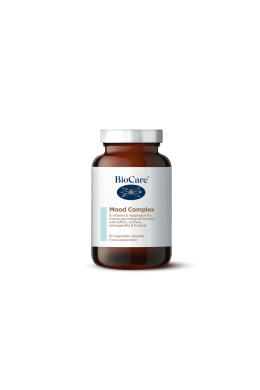
Mood Complex combines B vitamins, magnesium and supportive botanicals, including saffron, turmeric, ashwagandha and rhodiola, in one targeted formula. Featuring active forms such as methylfolate, methyl B12, pyridoxal-5-phosphate and magnesium glycinate, it provides practical nutritional support alongside a balanced diet and lifestyle.

  • Effective – Contains key nutrients such as folate, B12, B6, magnesium, zinc and copper to support nervous system function, mental health, cognition & methylation.
  • Health properties – Saffron, rhodiola and ashwagandha help us adapt to emotional stress, promoting emotional wellbeing, positive mood, and relaxation. With a highly concentrated turmeric extract to reduce inflammation and free radical damage.
  • Optimum support – Optimally absorbed nutrients such as methylfolate, methyl B12, B6 as pyridoxal-5-phosphate, and magnesium glycinate.
  • Environmental demands – Our modern diet and lifestyle create a pro-inflammatory environment which disrupts methylation and nervous function, driving low mood, poor focus and motivation.
  • Genetic predisposition – Your genes can influence how you feel. Variants linked to methylation, such as MTHFR, and neurotransmitter activity, including serotonin and dopamine, may play a role in mood.
  • Synergistic formulation – Expertly formulated combination of key nutrients, botanicals and amino acids to provide synergy and tackle different factors involved in mood and mental health.
  • Flexible – Easy to swallow capsules allowing convenience and splitting dose throughout the day ensures maximum efficacy.
  • No additives.
  • Environmentally friendly – Recyclable packaging.
  • Trusted – We’ve been helping to shape a healthier society for over 35 years.
  • Suitable for vegetarians & vegans.
  • 30 days’ supply at 2 capsules per day.

Suggested combinations

Mood Complex works well on its own, but for a more comprehensive approach it can be paired with:

  • Magnesium Glycinate – a gentle, well-absorbed form of magnesium when additional nervous system and psychological function support is required
  • Vitamin D – a useful addition, particularly during autumn and winter or where sunlight exposure may be limited
  • Omega-3 EPA – can be taken alongside Mood Complex as part of a broader nutritional approach

Supporting nervous system function, psychological function and cognitive function often starts with strong nutritional foundations. Alongside a balanced diet, restorative sleep, regular movement and supportive daily habits, targeted nutritional support can be a useful part of a wider wellbeing routine.

Mood Complex offers a carefully formulated combination of nutrients and botanicals to support daily function as part of a balanced lifestyle.


  1. BioCare Mood Complex (60cps)
    BioCare Mood Complex (60cps)
    €46.50

VERISOL® Collagen - Supporting Skin, Structure and Healthy Ageing from Within

VERISOL Collagen - Supporting Skin, Structure and Healthy Ageing from Within


Have you noticed changes in skin firmness, hydration or resilience over time? While collagen is often spoken about in beauty circles, its relevance extends far beyond appearance.

Collagen is one of the body’s most important structural proteins. It sits at the heart of connective tissue, helping to support the skin, joints, bones, tendons, ligaments and muscles.1 As we age, collagen-rich tissues naturally change over time, while environmental stressors such as UV exposure, toxins and lifestyle demands can further influence collagen breakdown and tissue integrity.2

As a result, collagen is now being viewed through a broader lens, not simply as a beauty ingredient, but as part of a wider conversation around connective tissue, structural integrity, the extracellular matrix and healthy ageing.3

What is VERISOL® collagen?

VERISOL® collagen is a patented form of bioactive collagen peptides, derived from grass-fed, pasture-raised bovine collagen. Unlike standard collagen materials, it is made up of specific hydrolysed peptides with a defined molecular weight and amino acid sequence. It is one of the most clinically researched collagen ingredients for beauty, but its relevance extends beyond that.4, 6

What makes VERISOL® collagen different from standard collagen?

Many collagen powders provide hydrolysed collagen as a source of amino acids. VERISOL® collagen was developed to go a step further. Its peptides are designed not simply to provide raw material, but to act like signalling molecules.

Since VERISOL® collagen peptides have a low molecular weight, they are highly bioavailable, and the peptides have also shown resistance to enzymatic degradation. Once absorbed, they can interact with fibroblasts, the connective tissue cells involved in collagen biosynthesis, helping to stimulate the body’s own collagen and elastin production.7 This means VERISOL® is not just about supplying collagen, it is about influencing collagen metabolism. That is one of the reasons it is often described as a targeted collagen peptide rather than a generic collagen source.8

How does VERISOL® collagen work in the body?

Collagen is a central part of the extracellular matrix, the structural network that surrounds and supports our cells. It helps give tissues strength, organisation and resilience. In the skin, collagen contributes to firmness and elasticity. In joints and connective tissue, it contributes to tensile strength and structural integrity.1 9 During tissue regeneration, type III collagen is more active in earlier phases, while type I becomes more prominent later as tissue matures and remodels.10

VERISOL® collagen peptides appear to support this process in two main ways: First, they provide collagen-derived peptides and amino acids that can contribute to the body’s structural protein pool. Second, and more importantly, they appear to act as biological messengers, stimulating fibroblast activity and promoting the synthesis of new collagen and elastin.1,10

VERISOL® collagen for beauty support

The clinical research around VERISOL® has focused heavily on visible skin outcomes, particularly skin elasticity, wrinkle appearance, hydration, cellulite and nail quality.

In one placebo-controlled trial involving 69 women aged 35 to 55, oral VERISOL® collagen was associated with improvements in skin elasticity of up to 15% after just 4 weeks, with benefits persisting at 8 weeks.11 Another study involving more than 100 women aged 45 to 65 found significant wrinkle reduction after 4 weeks, alongside a markedly higher collagen concentration in the skin.12

In a randomised controlled trial involving 105 women aged 25 to 50, 2.5g daily was shown to improve cellulite scores and reduce skin waviness by helping support the structure of the dermis and subcutaneous tissue. Improvements became more noticeable over time, with particularly visible changes after 3 to 6 months.13

Supplementation has been associated with fewer chipped or cracked nails, faster nail growth, and visible improvements in nail peeling and edge irregularity.14

Beyond beauty

Type I and III collagen are not exclusive to skin. They are fundamental to the wider connective tissue system, including tendons, ligaments, bones and the extracellular matrix that supports structural function throughout the body.9

From our mid-20s, collagen declines naturally over time, and type I collagen has been reported to decrease at a rate of around 1.5% per year. Photodamage can further inhibit collagen synthesis, while oxidative stress and everyday environmental exposure can accelerate visible and structural ageing.15

Genetic predisposition, including variants in genes such as COL1A1, MMPs and LOX, may also influence collagen production, degradation and tissue integrity. For some people, that may mean a greater need for nutritional strategies that support collagen metabolism and extracellular matrix function.10

Research also suggests collagen may have relevance beyond skin and joints. In combination with concurrent training, collagen supplementation has been associated with improved structural and cardiometabolic adaptations, including improvements in endurance performance.16

Supporting connective tissue– beyond collagen

Skin, joints, tendons, ligaments and bone all depend on a dynamic extracellular matrix, a complex structural network made up of collagen, elastin, glycosaminoglycans, minerals, water and signalling molecules. This matrix helps determine tissue strength, elasticity, hydration and resilience, which is why supporting connective tissue involves more than collagen alone.10

For this reason, a broader nutritional and lifestyle approach is often needed. Adequate dietary protein remains one of the key foundations, providing the amino acids needed for the maintenance and renewal of collagen-rich tissues.17 Hydration is equally important, particularly for skin, fascia and cartilage, where water content influences flexibility, cushioning and overall tissue function.18

Diet quality also has a direct bearing on the environment in which connective tissues are maintained. A varied, nutrient-dense diet rich in colourful plant foods provides antioxidant compounds that help protect the extracellular matrix from oxidative stress.19 Healthy fats, including omega-3 fatty acids, are also relevant, helping to support cell membrane integrity and a balanced inflammatory response.20

Movement is another essential part of the picture. Resistance exercise and weight-bearing exercise provide the stimulus needed to maintain collagen-rich tissues, particularly in relation to muscle, tendon and bone health.21 At the same time, recovery matters. Sleep, rest and appropriate training load all help determine how effectively connective tissues can repair and remodel over time.22

Whether the focus is skin firmness, hydration, joint comfort, bone strength or healthy ageing, collagen remains one of the body’s most important structural proteins. That is why collagen is no longer simply a beauty trend. It has become a far broader conversation around structural health, grounded in connective tissue biology and increasingly relevant to resilience, recovery and long-term support throughout the body. Yet collagen is only one part of the picture. Connective tissue health is ultimately shaped by the wider nutritional and lifestyle framework in which it functions.


Bibliography

  1. Wu M, Cronin K, Crane JS. Biochemistry, Collagen Synthesis. StatPearls. Published online September 4, 2023. Accessed April 15, 2026. https://www.ncbi.nlm.nih.gov/books/NBK507709/
  2. Parrado C, Mercado-Saenz S, Perez-Davo A, Gilaberte Y, Gonzalez S, Juarranz A. Environmental Stressors on Skin Aging. Mechanistic Insights. Front Pharmacol. 2019;10:759. doi:10.3389/FPHAR.2019.00759
  3. Martínez-Puig D, Costa-Larrión E, Rubio-Rodríguez N, Gálvez-Martín P. Collagen Supplementation for Joint Health: The Link between Composition and Scientific Knowledge. Nutrients. 2023;15(6):1332. doi:10.3390/NU15061332
  4. Reilly DM, Kynaston L, Naseem S, Proudman E, Laceby D. A Clinical Trial Shows Improvement in Skin Collagen, Hydration, Elasticity, Wrinkles, Scalp, and Hair Condition following 12-Week Oral Intake of a Supplement Containing Hydrolysed Collagen. Dermatol Res Pract. 2024;2024. doi:10.1155/2024/8752787
  5. Vollmer DL, West VA, Lephart ED. Enhancing Skin Health: By Oral Administration of Natural Compounds and Minerals with Implications to the Dermal Microbiome. Int J Mol Sci. 2018;19(10):3059. doi:10.3390/IJMS19103059
  6. Gibson R, Krug L, Ramsey DL, Safaei A, Aspley S. Beneficial Effects of Multi-Micronutrient Supplementation with Collagen Peptides on Global Wrinkles, Skin Elasticity and Appearance in Healthy Female Subjects. Dermatol Ther (Heidelb). 2024;14(6):1599-1614. doi:10.1007/S13555-024-01184-2
  7. Gibson R, Krug L, Ramsey DL, Safaei A, Aspley S. Beneficial Effects of Multi-Micronutrient Supplementation with Collagen Peptides on Global Wrinkles, Skin Elasticity and Appearance in Healthy Female Subjects. Dermatol Ther (Heidelb). 2024;14(6):1599-1614. doi:10.1007/S13555-024-01184-2
  8. Proksch E, Schunck M, Zague V, Segger D, Degwert J, Oesser S. Oral Intake of Specific Bioactive Collagen Peptides Reduces Skin Wrinkles and Increases Dermal Matrix Synthesis. Skin Pharmacol Physiol. 2014;27(3):113-119. doi:10.1159/000355523
  9. Juher TF, Pérez EB. [An overview of the beneficial effects of hydrolysed collagen intake on joint and bone health and on skin ageing]. Nutr Hosp. 2015;32 Suppl 1:62-66. doi:10.3305/NH.2015.32.SUP1.9482
  10. Juher TF, Pérez EB. [An overview of the beneficial effects of hydrolysed collagen intake on joint and bone health and on skin ageing]. Nutr Hosp. 2015;32 Suppl 1:62-66. doi:10.3305/NH.2015.32.SUP1.9482
  11. Singh D, Rai V, K Agrawal D. Regulation of Collagen I and Collagen III in Tissue Injury and Regeneration. Cardiol Cardiovasc Med. 2023;7(1). doi:10.26502/FCCM.92920302
  12. Proksch E, Segger D, Degwert J, Schunck M, Zague V, Oesser S. Oral supplementation of specific collagen peptides has beneficial effects on human skin physiology: A double-blind, placebo-controlled study. Skin Pharmacol Physiol. 2013;27(1):47-55. doi:10.1159/000351376
  13. Proksch E, Schunck M, Zague V, Segger D, Degwert J, Oesser S. Oral intake of specific bioactive collagen peptides reduces skin wrinkles and increases dermal matrix synthesis. Skin Pharmacol Physiol. 2014;27(3):113-119. doi:10.1159/000355523
  14. Schunck M, Zague V, Oesser S, Proksch E. Dietary Supplementation with Specific Collagen Peptides Has a Body Mass Index-Dependent Beneficial Effect on Cellulite Morphology. J Med Food. 2015;18(12):1340-1348. doi:10.1089/JMF.2015.0022;WEBSITE:WEBSITE:SAGE;REQUESTEDJOURNAL:JOURNAL:MEFA;JOURNAL:JOURNAL:MEFA;ISSUE:ISSUE:DOI
  15. Hexsel D, Zague V, Schunck M, Siega C, Camozzato FO, Oesser S. Oral supplementation with specific bioactive collagen peptides improves nail growth and reduces symptoms of brittle nails. J Cosmet Dermatol. 2017;16(4):520-526. doi:10.1111/JOCD.12393
  16. Rittié L, Fisher GJ. Natural and Sun-Induced Aging of Human Skin. Cold Spring Harb Perspect Med. 2015;5(1):a015370. doi:10.1101/CSHPERSPECT.A015370
  17. Jendricke P, Kohl J, Centner C, Gollhofer A, König D. Influence of Specific Collagen Peptides and Concurrent Training on Cardiometabolic Parameters and Performance Indices in Women: A Randomized Controlled Trial. Front Nutr. 2020;7. doi:10.3389/FNUT.2020.580918
  18. Holwerda AM, Van Loon LJC. The impact of collagen protein ingestion on musculoskeletal connective tissue remodeling: a narrative review. Nutr Rev. 2022;80(6):1497. doi:10.1093/NUTRIT/NUAB083
  19. Cederlund AA, Aspden RM. Walking on water: revisiting the role of water in articular cartilage biomechanics in relation to tissue engineering and regenerative medicine. J R Soc Interface. 2022;19(193):20220364. doi:10.1098/RSIF.2022.0364
  20. Fam VW, Charoenwoodhipong P, Sivamani RK, Holt RR, Keen CL, Hackman RM. Plant-Based Foods for Skin Health: A Narrative Review. J Acad Nutr Diet. 2022;122(3):614-629. doi:10.1016/J.JAND.2021.10.024
  21. Calder PC. Omega-3 Fatty Acids and Inflammatory Processes. Nutrients 2010, Vol 2, Pages 355-374. 2010;2(3):355-374. doi:10.3390/NU2030355
  22. Gabbett TJ, Oetter E. From Tissue to System: What Constitutes an Appropriate Response to Loading? Sports Medicine 2024 55:1. 2024;55(1):17-35. doi:10.1007/S40279-024-02126-W
  23. Das A, Gupta R, Huda F, Kumar N, Krishnan V, Basu S. Effect of sleep quality on wound healing among patients undergoing emergency laparotomy: an observational study. J Clin Sleep Med. 2025;21(3):503-512. doi:10.5664/JCSM.11442


Curcumin: An ancient solution for modern problems


Turmeric and its active compound, curcumin, is one of those rare occasions where a traditional remedy (dating back over 4000 years) has scientifically proven efficacy in modern times.1 Curcumin is now so rigorously studied that umbrella reviews have been conducted on its use.2

The clinical trials proving curcumin’s efficacy can give us confidence in its use for a range of ailments, but how does curcumin actually work? What are the health benefits of curcumin? What is the difference between turmeric and curcumin? And what is the best type of curcumin supplement for absorption?

We’ll explore these questions and more in this blog.

What is curcumin?

Curcumin is a natural polyphenol and yellow pigment found in turmeric root, and is one of its primary curcuminoid antioxidants, responsible for much of turmeric’s therapeutic benefits.3

Although turmeric does contains other beneficial compounds such as turmerones,4 they have not been as extensively reviewed in clinical studies as curcumin.

Once extracted from turmeric, curcumin’s distinct molecular structure allows it to interact with a range of metabolic processes implicated in inflammation, including C-reactive protein (CRP),5 and Cyclooxygenase-2 (COX-2).6

How does curcumin work in the body?

Curcumin modulates a wide range of molecular signalling pathways. One of the most studied mechanisms is the inhibition of nuclear factor kappa-B (Nf-kB), a key regulator of inflammatory gene expression. Through doing so, curcumin may reduce the expression of pro-inflammatory mediators including tumour necrosis factor-

α

(TNF-α), interlukin-1β (IL-β) and interlukin-6 (IL-6).7

Similar no non-steroidal anti-inflammatory drugs (NASAIDs) like Ibuprofen, curcumin is able to inhibit inflammatory enzymes such as COX-2 and lipoxygenase via inhibition of Nf-kB. However, where Ibuprofen works in a non-selective way, inhibiting both COX-1 and COX-2, curcumin selectively inhibits COX-2, which may help explain its lower risk of gastrointestinal side effects.8

Curcumin also appears to play a role in multiple stages of cancer development, including tumour transformation, proliferation and invasion. This is via the promotion of apoptosis and inhibition of growth factors, downregulation of cell proliferation pathways such as mTOR, and suppression of angiogenesis, thus reducing metastatic potential.9

What are the main health benefits of curcumin?

Arthritis

A meta-analysis of 11 meta-analyses, strongly supports that curcumin supplementation can relieve pain, improve joint mobility and shorten medication use in those with osteoarthritis.10

Curcumin was also found to be beneficial for inflammation levels and clinical symptoms of rheumatoid arthritis, as found in another meta-analysis involving over 500 patients.11

Blood sugar control

An umbrella review which included 61 randomised controlled trails (RCT’s), found that fast blood sugar and HbA1C both improved in patients with type-2 diabetes when they took curcumin or turmeric.12

Cardiovascular function

Curcumin supplementation for at least 8 weeks, has favourable effects in reducing LDL cholesterol, total cholesterol and triglycerides when combined with exercise – as found in another umbrella review looking at 72 RTC’s. 2 Curcumin therefore has favourable effects on atherosclerotic cardiovascular risk. One study found curcumin to have comparable beneficial effects on artery function to aerobic exercise over 8 weeks.13

Weight loss

A review of 50 RCT’s found that curcumin supplementation, particularly forms with enhanced bioavailability, significantly decreased BMI, body weight and waist circumference.14

Gut health

Curcumin may improve symptoms and remission rates in those with Ulcerative Colitis as an adjunct to standard therapy.15 A trend toward clinical improvements in patients with Crohn’s Disease was also observed in different systematic review and mata-analysis.16 Curcumin may also help reduce intestinal permeability (“leaky gut”).17

Mental health

A systematic review of RTC’s found that curcumin has significant positive effects on brain-derived neurotrophic factor (BDNF) levels.18 Low levels of BDNF are associated with depression.19

For more information on how to support depression naturally, check out this blog.

Why is curcumin absorption poor, and how can it be improved?

Despite the broad biological activity of curcumin, a widely recognised limitation lies in its naturally poor bioavailability, meaning only small amounts reach systemic circulation.20 This is largely due to its hydrophobic nature,21 poor absorption, rapid metabolism and rapid elimination.22

Piperine, a compound found in black pepper, has often been combined with curcumin to enhance its absorption. Research suggests that piperine can significantly increase curcumin bioavailability by inhibiting the glucuronidation pathway involved in detoxification. 23 However, suppressing this pathway may also interfere with the metabolism and clearance of other important compounds in the body.

For this reason, alternative approaches to improving curcumin bioavailability have focused on enhancing its solubility and dispersibility, allowing for better absorption without affecting the body’s natural detoxification processes.

Emulsification techniques, which help convert the fat-soluble curcuminoids into smaller water-dispersible particles, are an effective, modern method for improving diffusion and stability in the digestive tract.24 Curcuwin Ultra+® (CU+) is one example of a technology developed to significantly enhance curcumin bioavailability.

What is the difference between curcumin and Curcuwin Ultra+®?

Where the efficacy of standard curcumin is compromised due to poor absorption rates, CU+ is a proprietary emulsification technology which renders fat-soluble curcuminoids water dispersible and significantly more bioavailable. Research suggested CU+ may be up to 144 times more bioavailable than standard curcumin, producing substantially higher levels of curcuminoids in plasma compared with traditional high-curcuminoid extracts.25 It also demonstrates faster absorption kinetics, meaning curcuminoids can appear in the bloodstream more quickly.

What does the research say about Curcuwin Ultra+® and inflammation?

An RTC involving 135 patients with mild knee osteoarthritis, found that 500mg a day of CU+ was able to improve pain, walking performance and range of motion after just 5 days. The same study found patients taking 500mg dose and those taking 250mg dose exhibited reduced pain and stiffness, along with enhancements in knee extension and flexion, decreased joint discomfort and inflammation, improved knee muscle strength, and reduced medication usage after 28, 56, and 84 days compared to the placebo group. Inflammatory markers of patients also significantly reduced.26

Another RTC found that 1000mg of CU+ was able to attenuate the reductions in muscle function one may experience after exercise over 8 weeks, thus supporting muscle recovery.27 When compared to standard curcumin, CU+ showed greater reductions in glial activation, Nf-kB, IL-1β, IL-6 and inflammatory cytokines in animal brain injury models, thus demonstrating neuroprotective properties. Researchers also saw increased expression of neuroprotective genes such as BDNF.28

Reducing inflammation: beyond curcumin

It has been established that bioavailable curcumin supplementation alone can help reduce inflammation, however, in order to achieve true health and wellness, curcumin supplementation must be an accompaniment to a wider anti-inflammatory diet.

Some of the key cornerstones of an anti-inflammatory diet include:

  • Centering your diet around anti-inflammatory, whole foods such as fruits, vegetables, whole grains, legumes, nuts and seeds. Whilst minimizing pro-inflammatory foods such as processed meat and refined carbohydrates.29
  • Eating a diet rich in antioxidant polyphenols, such as berries, cocao, tea, nuts and whole grains, which help support long-terms cardiovascular health.30
  • A diet rich in fiber to support microbiome diversity and increase short-chain fatty-acid production can play a pivotal role in chronic inflammation regulation.31

So, if you’re looking for extra support to help bring down inflammation, support your blood sugar and metabolism, cardiovascular function, or if you simply wish to include a health, low risk anti-inflammatory into your day-to-day routine, curcumin may be a good fit for you.


Bibliography - Curcumin: An ancient solution for modern problems.

  1. Tian WW, Liu L, Chen P, et al. Curcuma Longa (turmeric): from traditional applications to modern plant medicine research hotspots. Chinese Medicine 2025 20:1. 2025;20(1):76-. doi:10.1186/s13020-025-01115-z
  2. Unhapipatpong C, Julanon N, Shantavasinkul PC, Polruang N, Numthavaj P, Thakkinstian A. An Umbrella Review of Systematic Reviews and Meta-analyses of Randomized Controlled Trials Investigating the Effect of Curcumin Supplementation on Lipid Profiles. Nutr Rev. 2025;83(8):1520. doi:10.1093/nutrit/nuaf012
  3. Moon DO. Curcumin in Cancer and Inflammation: An In-Depth Exploration of Molecular Interactions, Therapeutic Potentials, and the Role in Disease Management. Int J Mol Sci. 2024;25(5):2911. doi:10.3390/ijms25052911
  4. Aggarwal BB, Yuan W, Li S, Gupta SC. Curcumin-free turmeric exhibits anti-inflammatory and anticancer activities: Identification of novel components of turmeric. Mol Nutr Food Res. 2013;57(9):1529-1542. doi:10.1002/mnfr.201200838
  5. Shakour N, Cabezas R, Santos JG, et al. Curcumin Can Bind and Interact with CRP: An in silico Study. Adv Exp Med Biol. 2021;1308:91-100. doi:10.1007/978-3-030-64872-5_7
  6. Padhye S, Banerjee S, Chavan D, et al. Fluorocurcumins as Cyclooxygenase-2 Inhibitor: Molecular Docking, Pharmacokinetics and Tissue Distribution in Mice. Pharm Res. 2009;26(11):2438. doi:10.1007/s11095-009-9955-6
  7. Ghorbani-nejad B, Baghani M, Amiri S, et al. Curcumin: multifaceted biological actions and therapeutic implications—a narrative review. Inflammopharmacology 2025 33:11. 2025;33(11):6309-6327. doi:10.1007/s10787-025-01932-6
  8. Schell T. A Promising Natural Therapy for Equine Osteoarthritis.
  9. Ameer SF, Mohamed MY, Elzubair QA, Sharif EAM, Ibrahim WN. Curcumin as a novel therapeutic candidate for cancer: can this natural compound revolutionize cancer treatment? Front Oncol. 2024;14:1438040. doi:10.3389/fonc.2024.1438040
  10. Bideshki MV, Jourabchi-Ghadim N, Radkhah N, et al. The efficacy of curcumin in relieving osteoarthritis: A meta-analysis of meta-analyses. Phytother Res. 2024;38(6):2875-2891. doi:10.1002/ptr.8153
  11. Kou H, Huang L, Jin M, He Q, Zhang R, Ma J. Effect of curcumin on rheumatoid arthritis: a systematic review and meta-analysis. Front Immunol. 2023;14:1121655. doi:10.3389/fimmu.2023.1121655
  12. Pathomwichaiwat T, Jinatongthai P, Prommasut N, et al. Effects of turmeric (Curcuma longa) supplementation on glucose metabolism in diabetes mellitus and metabolic syndrome: An umbrella review and updated meta-analysis. PLoS One. 2023;18(7):e0288997. doi:10.1371/journal.pone.0288997
  13. Akazawa N, Choi Y, Miyaki A, et al. Curcumin ingestion and exercise training improve vascular endothelial function in postmenopausal women. 2012;32(10):795-799. doi:10.1016/j.nutres.2012.09.002
  14. Unhapipatpong C, Polruang N, Shantavasinkul PC, Julanon N, Numthavaj P, Thakkinstian A. The effect of curcumin supplementation on weight loss and anthropometric indices: an umbrella review and updated meta-analyses of randomized controlled trials. American Journal of Clinical Nutrition. 2023;117(5):1005-1016. doi:10.1016/j.ajcnut.2023.03.006
  15. Ordás I, Eckmann L, Talamini M, Baumgart DC, Sandborn WJ. Safety and efficacy of curcumin in the treatment of ulcerative colitis: An updated systematic review and meta-analysis of randomized controlled trials. EXPLORE. 2025;21(1):103083. doi:10.1016/S0140-6736(12)60150-0
  16. Mohseni S, Tavakoli A, Ghazipoor H, et al. Curcumin for the clinical treatment of inflammatory bowel diseases: a systematic review and meta-analysis of placebo-controlled randomized clinical trials. Front Nutr. 2025;12:1494351. doi:10.3389/fnut.2025.1494351
  17. Szymanski MC, Gillum TL, Gould LM, Morin DS, Kuennen MR. Short-term dietary curcumin supplementation reduces gastrointestinal barrier damage and physiological strain responses during exertional heat stress. J Appl Physiol (1985). 2018;124(2):330-340. doi:10.1152/japplphysiol.00515.2017
  18. Sarraf P, Parohan M, Javanbakht MH, Ranji-Burachaloo S, Djalali M. Short-term curcumin supplementation enhances serum brain-derived neurotrophic factor in adult men and women: a systematic review and dose–response meta-analysis of randomized controlled trials. 2019;69:1-8. doi:10.1016/j.nutres.2019.05.001
  19. Kishi T, Yoshimura R, Ikuta T, Iwata N. Brain-derived neurotrophic factor and major depressive disorder: Evidence from meta-analyses. Front Psychiatry. 2018;8(JAN):308. doi:10.3389/fpsyt.2017.00308
  20. Anand P, Kunnumakkara AB, Newman RA, Aggarwal BB. Bioavailability of Curcumin: Problems and Promises. Pharmaceutics. 2007;4(6):807-818. doi:10.1021/mp700113r
  21. Górnicka J, Mika M, Wróblewska O, Siudem P, Paradowska K. Methods to Improve the Solubility of Curcumin from Turmeric. 2023;13(1):207. doi:10.3390/life13010207
  22. Hewlings SJ, Kalman DS. Curcumin: A Review of Its Effects on Human Health. Foods 2017, Vol 6,. 2017;6(10). doi:10.3390/foods6100092
  23. Shoba G, Joy D, Joseph T, Majeed M, Rajendran R, Srinivas PSSR. Influence of piperine on the pharmacokinetics of curcumin in animals and human volunteers. Planta Med. 1998;64(4):353-356. doi:10.1055/s-2006-957450
  24. Jäger R, Lowery RP, Calvanese A V., Joy JM, Purpura M, Wilson JM. Comparative absorption of curcumin formulations. Nutr J. 2014;13(1):1-8. doi:10.1186/1475-2891-13-11/TABLES/1
  25. Kothaplly S, Alukapally S, Nagula N, Maddela R. Superior Bioavailability of a Novel Curcumin Formulation in Healthy Humans Under Fasting Conditions. Adv Ther. 2022;39(5):2128. doi:10.1007/S12325-022-02081-W
  26. Efficacy-and-Safety-of-a-Highly-Bioavailable--Curcumin-Formulation-in-Modulating-Outcomes-of-Mild-Knee-Osteoarthritis--Multi-Centric-Randomized-Double-Blind-Placebo (002).
  27. Jäger R, Purpura M, Kerksick CM. Eight Weeks of a High Dose of Curcumin Supplementation May Attenuate Performance Decrements Following Muscle-Damaging Exercise. Nutrients. 2019;11(7):1692. doi:10.3390/nu11071692
  28. Sakul AA, Balcikanli Z, Ozsoy NA, et al. A highly bioavailable curcumin formulation ameliorates inflammation cytokines and neurotrophic factors in mice with traumatic brain injury. Chem Biol Drug Des. 2024;103(1). doi:10.1111/CBDD.14439
  29. Yu X, Pu H, Voss M. Overview of anti-inflammatory diets and their promising effects on non-communicable diseases. Br J Nutr. 2024;132(7):898. doi:10.1017/S0007114524001405
  30. Polyphenol-rich diets linked to better long-term heart health | King’s College London. Accessed March 12, 2026. https://www.kcl.ac.uk/news/polyphenol-rich-diets-linked-to-better-long-term-heart-health
  31. Zhang F, Fan D, Huang J lin, Zuo T. The gut microbiome: linking dietary fiber to inflammatory diseases. Medicine in Microecology. 2022;14:100070. doi:10.1016/j.medmic.2022.100070


Ageing starts in our cells: How cellular health shapes longevity

Do you struggle with persistent fatigue, low energy or brain fog? Perhaps you’ve noticed reduced focus, slower recovery from exercise or illness, or that your resilience and vitality are not what they once were? While these changes are often seen as a natural part of ageing, many of them are closely linked to what is happening inside our cells. Ageing is not simply about the number of years we live. Increasingly, research shows that biological ageing, the changes occurring inside our cells, plays a fundamental role in how we age, how resilient we remain, and how well our body adapts over time. Understanding cellular health may therefore be one of the most powerful ways to support healthy longevity.

Is longevity just about living longer?

In 1900, the global average life expectancy was only around 32 years. Today, that figure has more than doubled to approximately 73 years worldwide,1 largely due to advances in sanitation, nutrition, public health, antibiotics, and modern medicine. This extraordinary progress means that many of us are now living decades longer than our great-grandparents ever expected. However, a crucial question remains:

Are we simply living longer, or are we living better?

When we think about longevity, we often think about the length of life. Yet the real goal is healthy longevity - maintaining vitality, independence, cognitive function and metabolic resilience as we age. Living longer does not automatically mean living well. Increasingly, the focus has shifted from lifespan to healthspan, the number of years we remain healthy, active and free from chronic disease.

Longevity is shaped by far more than genetics alone. Every aspect of our lives contributes to how we age. What we eat,2 how we move,3 the quality of our sleep,4 how we manage stress,5 the environments we live in,6 our education,7 social connections 8 all play important roles in determining long-term health outcomes. Yet beneath all of these influences lies something even more fundamental: the health of our cells.9

We age because our cells age - what drives cellular aging?

Current estimate indicates that average adult male body has 36 trillion cells and the average female body has around 28 trillion cells,10 each performing specialised roles that allow tissues and organs to function properly. Longevity depends on how effectively our cells repair, regulate and adapt. At the biological level, ageing results from the impact of accumulation of cellular damage.11

Several biological processes influence cellular health, affecting how efficiently our cells produce energy, repair damage and maintain normal function. Over time, these processes contribute to cellular ageing, which in turn influences longevity and healthy ageing.9

Oxidative stress

During normal metabolism, cells produce reactive oxygen species (ROS) as part of energy production. When ROS accumulate beyond the body's antioxidant defences, they can damage DNA, proteins and cell membranes, contributing to cellular ageing and reduced cellular function.12 Oxidative stress is considered a key driver of biological ageing and is closely linked to mitochondrial dysfunction and chronic inflammation.13

Chronic Inflammation

Low-grade chronic inflammation, often called inflammageing, is increasingly recognised as a central feature of ageing biology. Persistent inflammatory signalling can disrupt cellular communication, impair repair pathways and accelerate tissue decline.14 Over time, this inflammatory environment may contribute to many age-related conditions and reduced resilience during ageing.15 

Dysbiosis

The gut microbiome plays an important role in metabolic regulation,16 immune balance17 and cellular signalling.18 Dysbiosis may influence systemic inflammation, nutrient metabolism and mitochondrial function.19 These changes may contribute to altered immune responses and metabolic decline associated with ageing.

Environmental toxins

Exposure to environmental pollutants, heavy metals, pesticides and other toxic compounds can place additional stress on cellular detoxification pathways. Over time, toxin accumulation may increase oxidative stress,20 damage DNA and interfere with mitochondrial function, contributing to accelerated biological ageing.21

Nutrient sensing and metabolic signalling

Nutrient sensing determines how the body detects and responds to the nutrients we consume. Cells constantly monitor nutrient availability through metabolic signalling pathways such as insulin/IGF-1 and mTOR. Diets consistently high in calories, refined sugars or excessive protein can chronically activate these pathways. While they support growth and energy storage, long-term overstimulation may reduce cellular repair processes and promote inflammation, potentially influencing ageing and metabolic health.11,22

Mitochondrial dysfunction

Mitochondria are often described as the powerhouses of the cell, responsible for producing the energy required for cellular activity. With age, mitochondrial efficiency can decline, leading to reduced energy production, increased oxidative stress23 and the accumulation of mitochondrial DNA damage. Since mitochondria regulates metabolism, inflammation and cellular signalling, therefore their dysfunction is considered a central mechanism in ageing biology.24

DNA damage and repair

Cells are continuously exposed to factors that damage DNA, including metabolic by-products and environmental stressors. Normally, complex repair systems maintain genomic integrity. However, the efficiency of these repair mechanisms may decline with age, allowing mutations to accumulate and contributing to cellular ageing and reduced tissue function.25

The scientific hallmarks of ageing

Scientists often describe ageing through a framework that highlights the key biological changes influencing how our cells function over time. As these processes gradually accumulate, cells may become less efficient at producing energy, repairing damage and maintaining normal function. Communication between cells can also become disrupted, affecting how tissues respond to stress and maintain balance. Together, these interconnected changes shape the process of cellular ageing and ultimately influence longevity and healthy ageing.11

Researchers often refer to these biological processes as hallmarks of ageing, which include:

Cellular senescence

Cells that accumulate damage may enter a state known as senescence, where they stop dividing but remain metabolically active. Senescent cells can release inflammatory signalling molecules that influence neighbouring cells and contribute to tissue ageing.26

Genomic instability

Accumulated DNA damage and mutations can disrupt normal cellular function and increase the risk of age-related disease.27 Maintaining genomic stability is therefore essential for long-term cellular health.

Telomere shortening

Telomeres are protective caps at the ends of chromosomes. Each time a cell divides, these structures gradually shorten. When telomeres become critically short, cells lose the ability to divide normally, which may limit tissue regeneration and contribute to ageing.28

Loss of protests

Proteostasis refers to the systems responsible for maintaining properly folded and functioning proteins. Ageing cells often accumulate damaged or misfolded proteins, which can impair cellular function and contribute to neurodegenerative diseases.29

Epigenetic alterations

Epigenetic changes influence how genes are expressed without altering the DNA sequence itself. Over time, shifts in DNA methylation and histone modification patterns may alter gene expression in ways that affect ageing and disease susceptibility.30

Disabled macroautophagy

Autophagy is the cellular recycling system that removes damaged proteins and organelles. When autophagy becomes less efficient, damaged cellular components accumulate, contributing to ageing and metabolic dysfunction.31,32

Stem cell exhaustion

Stem cells play an essential role in tissue regeneration. With age, stem cell function may decline, reducing the body’s ability to repair tissues and maintain organ health.33,34

How can we support cellular health?

Many of the biological processes linked to cellular ageing, such as oxidative stress, chronic inflammation, mitochondrial dysfunction and impaired DNA repair, are influenced by diet, lifestyle and environmental exposures.35 While ageing itself is inevitable, research suggests that supporting the body's natural repair and resilience systems may help maintain cellular health and longevity.36

Diet for healthy ageing

Nutrition plays a central role in supporting cellular function and resilience. Dietary patterns rich in whole, nutrient-dense foods may help counter several drivers of ageing, including oxidative stress, inflammation, dysbiosis and impaired nutrient sensing.37

Diets associated with better metabolic and cellular health often include:

Organ meats, egg yolks, fish, beef and poultry- sources of choline, an essential nutrient involved in cell membrane structure, methylation and neurotransmitter synthesis. Because the body produces only limited amounts, choline must largely be obtained through diet.38

A wide variety of colourful vegetables and fruits - rich in antioxidants and plant compounds that help neutralise reactive oxygen species and support cellular defence systems.39

Whole grains and fibre-rich foods - dietary fibre supports metabolic balance and nourishes beneficial gut microbes, helping maintain a healthy microbiome and reduce dysbiosis.40

Extra virgin olive oil - provides monounsaturated fats and polyphenols associated with reduced inflammation and improved metabolic signalling.41,42

Nuts, seeds and legumes - provide minerals, healthy fats and plant compounds that support cellular repair and metabolic resilience.43

Polyphenol-rich foods such as berries, green tea and cocoa - these plant compounds may help regulate oxidative stress, inflammation and cellular signalling pathways involved in ageing.44

Lifestyle habits that support cellular longevity

Lifestyle factors can influence many of the biological processes involved in ageing, including mitochondrial function, inflammation, circadian rhythm and cellular repair mechanisms.

Helpful strategies include:

Regular physical activity - low physical activity level is associated with increased mortality.45 It supports mitochondrial health, metabolic flexibility and energy production. Movement also helps maintain cell membrane fluidity and improves cellular signalling.45–47

Quality sleep- essential for DNA repair, cellular restoration and hormonal balance. Many cellular repair processes occur during sleep.4,48

Stress management and social connections - chronic stress may accelerate cellular ageing through inflammatory and hormonal pathways supporting benefit long-term cellular health.49Being surrounded by meaningful connections and maintaining an active, healthy lifestyle can play an important role in supporting overall wellbeing and long-term health.50

Time outdoors and natural light exposure - helps regulate circadian rhythms, which influence metabolism, immune function and cellular repair cycles.51,52

Avoiding smoking and limiting alcohol consumption- these exposures increase oxidative stress and toxin burden, which may accelerate cellular damage.53

Nutrients that support cellular health

Certain nutrients play key roles in maintaining cellular integrity, supporting antioxidant defences and promoting efficient energy production within cells.

Examples include:

Vitamin C - contributes to the protection of cells from oxidative stress and supports collagen formation and immune function.54

Vitamin E - helps protect cell membranes from oxidative damage by neutralising lipid peroxidation.55

Zinc - contributes to normal DNA synthesis, cell division and immune function.56

Magnesium - supports hundreds of enzymatic reactions involved in energy metabolism and cellular signalling.57

Selenium - contributes to antioxidant defence systems and helps protect cells from oxidative damage.58

Coenzyme Q10 - plays a key role in mitochondrial energy production and supports cellular energy metabolism.59

Omega-3 fatty acids - important structural components of cell membranes. These fats are incorporated into membrane phospholipids, helping maintain membrane fluidity, receptor mobility and healthy cellular communication.60,61

The Future of Longevity Science

Longevity science is advancing at an extraordinary pace. Researchers are exploring how processes such as cellular senescence, autophagy, mitochondrial function and nutrient signalling influence the ageing process. As our understanding grows, it is becoming increasingly clear that ageing is not determined by genetics alone. The choices we make every day, from how we nourish our bodies and move, to how we sleep, manage stress and connect with others, all influence how our cells function and how well we age. Healthy longevity is therefore not simply about extending lifespan, but about improving healthspan. Supporting cellular health through balanced nutrition, key nutrients, regular physical activity, restorative sleep and meaningful social connections may help create the conditions for our cells to repair, adapt and thrive over time.

The future of longevity science is not only about discovering new therapies, but about understanding how lifestyle, environment and biology interact to shape the ageing process. While we cannot stop time, we can influence how well we age.

Longevity is not measured simply by how many years we live, but by how much vitality, purpose and life we bring to those years.


References: Ageing starts in our cells: How cellular health shapes longevity

  1. Global average life expectancy has more than doubled since 1900 - Our World in Data. Accessed March 10, 2026. https://ourworldindata.org/data-insights/global-average-life-expectancy-has-more-than-doubled-since-1900
  2. Ekmekcioglu C. Nutrition and longevity - From mechanisms to uncertainties. Crit Rev Food Sci Nutr. 2020;60(18):3063-3082. doi:10.1080/10408398.2019.1676698
  3. Reimers CD, Knapp G, Reimers AK. Does Physical Activity Increase Life Expectancy? A Review of the Literature. J Aging Res. 2012;2012:243958. doi:10.1155/2012/243958
  4. Mazzotti DR, Guindalini C, Moraes WA dos S, et al. Human longevity is associated with regular sleep patterns, maintenance of slow wave sleep, and favorable lipid profile. Front Aging Neurosci. 2014;6(JUN):134. doi:10.3389/fnagi.2014.00134
  5. Shields GS, Slavich GM. Lifetime Stress Exposure and Health: A Review of Contemporary Assessment Methods and Biological Mechanisms. Soc Personal Psychol Compass. 2017;11(8):e12335. doi:10.1111/spc3.12335
  6. Mesnage R. Environmental Health Is Overlooked in Longevity Research. Antioxidants. 2025;14(4):421. doi:10.3390/antiox14040421
  7. Hummer RA, Hernandez EM. The Effect of Educational Attainment on Adult Mortality in the United States*. Popul Bull. 2013;68(1):1. Accessed March 11, 2026. https://pmc.ncbi.nlm.nih.gov/articles/PMC4435622/
  8. Yang YC, Boen C, Gerken K, Li T, Schorpp K, Harris KM. Social relationships and physiological determinants of longevity across the human life span. Proc Natl Acad Sci U S A. 2016;113(3):578-583. doi:10.1073/pnas.1511085112
  9. DiLoreto R, Murphy CT. The cell biology of aging. Mol Biol Cell. 2015;26(25):4524. doi:10.1091/mbc.E14-06-1084
  10. Khan YS, Farhana A. Histology, Cell. StatPearls. Published online March 27, 2025. Accessed March 10, 2026. https://www.ncbi.nlm.nih.gov/books/NBK554382/
  11. López-Otín C, Blasco MA, Partridge L, Serrano M, Kroemer G. The Hallmarks of Aging. Cell. 2013;153(6):1194. doi:10.1016/J.CELL.2013.05.039
  12. Yang S, Lian G. ROS and diseases: role in metabolism and energy supply. Mol Cell Biochem. 2019;467(1):1. doi:10.1007/s11010-019-03667-9
  13. Maldonado E, Morales-Pison S, Urbina F, Solari A. Aging Hallmarks and the Role of Oxidative Stress. Antioxidants 2023, Vol 12,. 2023;12(3). doi:10.3390/antiox12030651
  14. Chronic inflammation and the hallmarks of aging - PMC. Accessed March 13, 2026. https://pmc.ncbi.nlm.nih.gov/articles/PMC10359950/
  15. Zhang X, Gao Y, zhang S, et al. Mitochondrial dysfunction in the regulation of aging and aging-related diseases. Cell Communication and Signaling 2025 23:1. 2025;23(1):290-. doi:10.1186/s12964-025-02308-7
  16. Fujisaka S, Watanabe Y, Tobe K. The gut microbiome: a core regulator of metabolism. J Endocrinol. 2023;256(3):e220111. doi:10.1530/JOE-22-0111
  17. Kim S, Ndwandwe C, Devotta H, Kareem L, Yao L, O’Mahony L. Role of the microbiome in regulation of the immune system. Allergology International. 2025;74(2):187-196. doi:10.1016/j.alit.2024.12.006
  18. Nigam M, Devi K, Coutinho HDM, Mishra AP. Exploration of gut microbiome and inflammation: A review on key signalling pathways. Cell Signal. 2024;118:111140. doi:10.1016/j.cellsig.2024.111140
  19. Mostafavi Abdolmaleky H, Zhou JR. Gut Microbiota Dysbiosis, Oxidative Stress, Inflammation, and Epigenetic Alterations in Metabolic Diseases. Antioxidants. 2024;13(8):985. doi:10.3390/antiox13080985
  20. Sule RO, Rivera GDT, Vaidya T, Gartrell E, Gomes A V. Environmental Toxins and Oxidative Stress: The Link to Cardiovascular Diseases. Antioxidants (Basel). 2025;14(5). doi:10.3390/antiox14050604
  21. Romanò A, Pagiatakis C, Gornati R, Bernardini G, Papait R. Epigenetics: A link between toxicants and diseases. iScience. 2025;28(6):112613. doi:10.1016/j.isci.2025.112613
  22. Pignatti C, D’adamo S, Stefanelli C, Flamigni F, Cetrullo S. geriatrics Nutrients and Pathways that Regulate Health Span and Life Span. Published online 2020. doi:10.3390/geriatrics5040095
  23. Bhatti JS, Bhatti GK, Reddy PH. Mitochondrial dysfunction and oxidative stress in metabolic disorders — A step towards mitochondria based therapeutic strategies. Biochimica et Biophysica Acta (BBA) - Molecular Basis of Disease. 2017;1863(5):1066-1077. doi:10.1016/j.bbadis.2016.11.010
  24. Somasundaram I, Jain SM, Blot-Chabaud M, et al. Mitochondrial dysfunction and its association with age-related disorders. Front Physiol. 2024;15:1384966. doi:10.3389/fphys.2024.1384966
  25. Stead ER, Bjedov I. Balancing DNA repair to prevent ageing and cancer. Exp Cell Res. 2021;405(2):112679. doi:10.1016/j.yexcr.2021.112679
  26. Sun R, Feng J, Wang J. Underlying Mechanisms and Treatment of Cellular Senescence-Induced Biological Barrier Interruption and Related Diseases. Aging Dis. 2024;15(2):612. doi:10.14336/AD.2023.0621
  27. Vijg J. From DNA damage to mutations: all roads lead to aging. Ageing Res Rev. 2021;68:101316. doi:10.1016/j.arr.2021.101316
  28. Shammas MA. Telomeres, lifestyle, cancer, and aging. Curr Opin Clin Nutr Metab Care. 2011;14(1):28. doi:10.1097/MCO.0b013e32834121b1
  29. Morrone CD, Raghuraman R, Hussaini SA, Yu WH. Proteostasis failure exacerbates neuronal circuit dysfunction and sleep impairments in Alzheimer’s disease. Mol Neurodegener. 2023;18(1). doi:10.1186/S13024-023-00617-4
  30. Sen P, Shah PP, Nativio R, Berger SL. Epigenetic mechanisms regulating longevity and aging. Cell. 2016;166(4):822. doi:10.1016/J.CELL.2016.07.050
  31. Moreno-Blas D, Adell T, González-Estévez C. Autophagy in Tissue Repair and Regeneration. Cells 2025, Vol 14, Page 282. 2025;14(4):282. doi:10.3390/CELLS14040282
  32. Tang J, Zhou C, Li M, et al. Advances in natural compounds modulating autophagy for the therapeutic intervention of heart failure. Molecular and Cellular Biochemistry 2026. Published online January 9, 2026:1-22. doi:10.1007/S11010-025-05473-Y
  33. Stover PJ, Field MS, Brawley HN, Angelin B, Iversen PO, Frühbeck G. Nutrition and stem cell integrity in aging. J Intern Med. 2022;292(4):587-603. doi:10.1111/JOIM.13507
  34. Drapeau C. Understanding the Natural Role of Stem Cells in the Body: A New Understanding of Disease Formation? J Stem Cell Res Ther. 2013;3:3. doi:10.4172/2157-7633.1000e116
  35. Guo J, Huang X, Dou L, et al. Aging and aging-related diseases: from molecular mechanisms to interventions and treatments. Signal Transduction and Targeted Therapy 2022 7:1. 2022;7(1):391-. doi:10.1038/s41392-022-01251-0
  36. Gianfredi V, Nucci D, Pennisi F, Maggi S, Veronese N, Soysal P. Aging, longevity, and healthy aging: the public health approach. Aging Clin Exp Res. 2025;37(1):125. doi:10.1007/s40520-025-03021-8
  37. Fadnes LT, Celis-Morales C, Økland JM, et al. Life expectancy can increase by up to 10 years following sustained shifts towards healthier diets in the United Kingdom. Nature Food 2023 4:11. 2023;4(11):961-965. doi:10.1038/s43016-023-00868-w
  38. Burns BC, Belani JD, Wittorf HN, Brailoiu E, Brailoiu GC. Choline-An Essential Nutrient with Health Benefits and a Signaling Molecule. Int J Mol Sci. 2025;26(15). doi:10.3390/IJMS26157159
  39. Rahaman MM, Hossain R, Herrera-Bravo J, et al. Natural antioxidants from some fruits, seeds, foods, natural products, and associated health benefits: An update. Food Sci Nutr. 2023;11(4):1657. doi:10.1002/fsn3.3217
  40. Threapleton DE, Greenwood DC, Evans CEL, et al. Dietary fibre intake and risk of cardiovascular disease: systematic review and meta-analysis. BMJ. 2013;347. doi:10.1136/BMJ.F6879
  41. Al Rihani SB, Darakjian LI, Kaddoumi A. Oleocanthal-Rich Extra-Virgin Olive Oil Restores the Blood-Brain Barrier Function through NLRP3 Inflammasome Inhibition Simultaneously with Autophagy Induction in TgSwDI Mice. ACS Chem Neurosci. 2019;10(8):3543-3554. doi:10.1021/ACSCHEMNEURO.9B00175/SUPPL_FILE/CN9B00175_SI_001.PDF
  42. Guasch-Ferré M, Li Y, Willett WC, et al. Consumption of Olive Oil and Risk of Total and Cause-Specific Mortality Among U.S. Adults. J Am Coll Cardiol. 2022;79(2):101-112. doi:10.1016/J.JACC.2021.10.041
  43. Hu FB. Diet strategies for promoting healthy aging and longevity: An epidemiological perspective. J Intern Med. 2023;295(4):508. doi:10.1111/joim.13728
  44. Numa IAN, Sancho RAS, Wolf KE, et al. Polyphenols, aging, and health: What can we expect from the food industry in the technology era? Front Med (Lausanne). 2025;12:1671886. doi:10.3389/fmed.2025.1671886
  45. Veerman L, Tarp J, Wijaya R, et al. Physical activity and life expectancy: a life-table analysis. Br J Sports Med. 2025;59(5):333-338. doi:10.1136/bjsports-2024-108125
  46. Reimers CD, Knapp G, Reimers AK. Does Physical Activity Increase Life Expectancy? A Review of the Literature. J Aging Res. 2012;2012:243958. doi:10.1155/2012/243958
  47. Schwendinger F, Infanger D, Lichtenstein E, et al. Intensity or volume: the role of physical activity in longevity. Eur J Prev Cardiol. 2025;32(1):10-19. doi:10.1093/eurjpc/zwae295
  48. Sambou ML, Zhao X, Hong T, Wang N, Dai J. Associations between sleep-behavioral traits and healthspan: A one-sample Mendelian randomization study based on 388,909 participants of the UK-Biobank. J Affect Disord. 2024;350:854-862. doi:10.1016/J.JAD.2024.01.122
  49. Lyons CE, Razzoli M, Bartolomucci A. The impact of life stress on hallmarks of aging and accelerated senescence: connections in sickness and in health. Neurosci Biobehav Rev. 2023;153:105359. doi:10.1016/j.neubiorev.2023.105359
  50. Axén A, Christiansen L, Taube E, Kumlien C, Borg C. The Significance of Social Connections and Health in Relation to Loneliness Experienced by Older Adults Living at Home: A Qualitative Study. Scand J Caring Sci. 2025;39(2):e70057. doi:10.1111/scs.70057
  51. Blume C, Garbazza C, Spitschan M. Effects of light on human circadian rhythms, sleep and mood. Somnologie. 2019;23(3):147. doi:10.1007/S11818-019-00215-X
  52. Tafur J, Mills PJ. Low-intensity light therapy: exploring the role of redox mechanisms. Photomed Laser Surg. 2008;26(4):323-328. doi:10.1089/PHO.2007.2184
  53. Mesnage R. Environmental Health Is Overlooked in Longevity Research. Antioxidants 2025, Vol 14,. 2025;14(4). doi:10.3390/antiox14040421
  54. Carr AC, Maggini S. Vitamin C and Immune Function. Nutrients. 2017;9(11). doi:10.3390/NU9111211
  55. Kilicarslan You D, Fuwad A, Lee KH, et al. Evaluation of the Protective Role of Vitamin E against ROS-Driven Lipid Oxidation in Model Cell Membranes. Antioxidants. 2024;13(9):1135. doi:10.3390/antiox13091135
  56. Wessels I, Fischer HJ, Rink L. Dietary and Physiological Effects of Zinc on the Immune System. Annu Rev Nutr. 2021;41(Volume 41, 2021):133-175. doi:10.1146/ANNUREV-NUTR-122019-120635/CITE/REFWORKS
  57. Fatima G, Dzupina A, Alhmadi HB, et al. Magnesium Matters: A Comprehensive Review of Its Vital Role in Health and Diseases. Cureus. 2024;16(10):e71392. doi:10.7759/cureus.71392
  58. Lee JG, Jang JY, Baik SM. Selenium as an Antioxidant: Roles and Clinical Applications in Critically Ill and Trauma Patients: A Narrative Review. Antioxidants 2025, Vol 14,. 2025;14(3). doi:10.3390/antiox14030294
  59. Sood B, Patel P, Keenaghan M. Coenzyme Q10. StatPearls. Published online January 30, 2024. Accessed March 13, 2026. https://www.ncbi.nlm.nih.gov/books/NBK531491/
  60. Wen J, Satyanarayanan SK, Li A, et al. Unraveling the impact of Omega-3 polyunsaturated fatty acids on blood-brain barrier (BBB) integrity and glymphatic function. Brain Behav Immun. 2024;115:335-355. doi:10.1016/j.bbi.2023.10.018
  61. Simopoulos AP. Omega-3 Fatty Acids in Inflammation and Autoimmune Diseases. J Am Coll Nutr. 2002;21(6):495-505. doi:10.1080/07315724.2002.10719248


 

The Detox That Makes Sense


Why Detoxing Matters (Without the Fads)

Detoxing is one of the most misunderstood concepts in wellness. It’s not about extreme cleanses, cutting out entire food groups, or restrictive diets. True detoxification is something your body does naturally every day through the liver, digestive system, and cellular pathways.

After the festive season’s indulgences, giving these systems a little extra support can make a noticeable difference.

Supporting Your Body’s Natural Detox

Supporting detox pathways doesn’t require harsh regimes. You can help your body work efficiently by focusing on nutrition, hydration, movement, and rest. Key areas include:

  • Antioxidants: Found in colourful fruits and vegetables, antioxidants help combat oxidative stress caused by toxins and free radicals. Examples: berries, leafy greens, and nuts.
  • B Vitamins: Essential for energy production and metabolism. Sources include whole grains, eggs, legumes, and leafy greens.
  • Botanical Support: Certain herbs have traditionally supported liver and digestive health, such as milk thistle, dandelion, artichoke and turmeric.
  • Liver-Enzyme Nutrients: Compounds like amino acids (found in protein-rich foods) and compounds like sulfur from garlic, onions, and cruciferous vegetables help liver detox pathways function efficiently.

 Practical Ways to Give Your Body a Gentle Reset

  1. Hydrate Strategically
    Water helps your kidneys flush out waste, supports digestion, and aids in cellular function. Aim for steady hydration throughout the day rather than forcing large amounts at once.
  2. Eat Whole, Balanced Foods
    Focus on vegetables, fruits, whole grains, lean proteins, nuts, and seeds. Include plenty of fibre to support digestion and healthy gut bacteria.
  3. Move Your Body
    Regular movement from brisk walks to yoga supports circulation and lymphatic flow, helping your body naturally remove metabolic waste.
  4. Prioritise Sleep and Rest
    Your body detoxifies at the cellular level during sleep. Aim for consistent, quality sleep and short periods of relaxation or mindfulness during the day.
  5. Supplementation
    Supplements can provide targeted support for antioxidants, B vitamins, and liver function if your diet falls short, but they should complement - not replace - healthy habits.
  6. Limit Excessive Alcohol, Sugar, and Processed Foods
    While you don’t need to cut everything out, moderating intake gives your liver and digestive system a break, making detox pathways more efficient.

 The Benefits You May Notice

When your body’s detox systems are supported, you may experience:

  • Better digestion
  • Lighter, more stable energy
  • Clearer skin
  • Improved mental clarity
  • Reduced sluggishness

This is not about quick fixes; it’s about restoring balance so your body can function at its best. A gentle, consistent approach can leave you feeling energised, refreshed, and ready for the New Year.

  1. BioCare Liver Cleanse Complex (60cps)
    BioCare Liver Cleanse Complex (60cps)
    €31.50
  2. Biocare Cleanse NutriPowder (120g)
    Biocare Cleanse NutriPowder (120g)
    €35.95

New Year, Happy Gut: Reset Your Digestive Health for 2026 


The New Year is the perfect time to give your gut a little TLC. After weeks of rich food, less sleep, and more stress, your digestive system might be asking for a gentle reset. But good gut health doesn’t have to mean restriction - it’s about nourishment and balance.

Your Gut Deserves a Clean Slate

Your gut does a lot more than just digest food. It helps your body absorb nutrients, plays a role in supporting immunity, and can even influence how energised and balanced you feel day to day. When your digestion is sluggish or out of sync, you might notice it -  perhaps through bloating, irregularity, or general fatigue.

Supporting your gut doesn’t have to be complicated. Simple, consistent habits can make a big difference to how your digestive system functions and how you feel overall.

Simple Daily Habits That Help

1. Start your day with a warm drink
Try warm water and lemon or maybe a herbal tea. It’s a gentle way to hydrate first thing in the morning and can help wake up your digestive system before breakfast.

2. Add fermented foods
Foods like sauerkraut, kefir, and kimchi naturally contain live cultures that contribute to a healthy mix of bacteria in the gut. A small spoonful with meals a few times a week is often enough to start with.

3. Eat slowly and mindfully
Digestion begins in the mouth - chewing food well and taking your time can improve how nutrients are broken down and absorbed. Taking your time with each bite allows your digestive system to work efficiently and limits excess air intake, which can sometimes contribute to bloating. Plus, eating in a calmer state supports more comfortable digestion.

4. Move your body every day
Gentle daily movement like walking, stretching, or yoga can help keep your digestive system active. It also supports circulation and general wellbeing - a win for your whole body.

Give Your Microbiome a Little Love

Your gut microbiome - the community of bacteria that lives in your digestive tract - thrives on variety and fibre. Prebiotic foods help feed these beneficial bacteria. You’ll find them in everyday foods like bananas, oats, garlic, onions, leeks, and asparagus.

Some people find it helpful to include gut-supporting supplements, such as probiotics or digestive enzymes, as part of their routine.

Consider Professional Support

If you’ve been experiencing ongoing digestive discomfort or are curious about your gut health, consider speaking with a qualified practitioner. A gut health consultation can help identify what your body might need — whether that’s dietary adjustments, lifestyle changes, or targeted nutritional support.

Working with a professional means you can personalise your plan rather than trying to guess what might help.

Trouble Sleeping in Menopause? Here’s What You Can Do


If you're finding yourself awake at 3am, you're not alone. It is common to experience sleep problems during peri- and post-menopause. From tossing and turning, or feeling wired when you should be winding down, to waking up drenched in night sweats, many women struggle to fall asleep and maintain sleep during this phase of life. In fact, troubled sleep affects 40-60% of midlife women, making it the most common symptom in menopause.

Why Does Menopause Affect Sleep?

Hormones play a big role. As oestrogen and progesterone gradually decline, they disrupt the delicate balance of hormones and neurotransmitters that regulate sleep. Progesterone has a calming, soothing effect, so when levels drop, it’s no surprise that falling or staying asleep becomes harder. Oestrogen changes can also contribute to hot flushes and night sweats, making the idea of a peaceful night feel impossible.

But hormones are not the only factor. As your adrenal glands step in to support hormone production, they also release cortisol - our main stress hormone. High or prolonged stress can leave the body in a "wired but tired" state, where it's hard to switch off.2 Blood sugar swings can also affect sleep, as a late-night dip in glucose, can cause you to wake up or make you feel more groggy next morning. Add common sleep disturbing factors like caffeine and alcohol consumption, or even scrolling on your phone before bed, and it's easy to see why so many women struggle with poor sleep during this period of transition.

Natural Ways to Support Sleep

Diet is a factor in menopause overall, though it’s especially important for a great night's sleep. Ensuring a varied, balanced diet will help your body adjust to this new phase and getting extra calming nutrients will help support your ability to rest well.

  • Balance blood sugar: Start your day with protein and fibre to keep glucose steady into the evening. Avoid high-sugar snacks close to bedtime.
  • Swap stimulants for calm: Swap afternoon coffee or wine for calming herbal teas that support sleep, such as chamomile or lemon balm. 
  • Magnesium-rich foods: Nuts, seeds, and leafy greens contain high levels of magnesium, which supports relaxation and may ease sleep troubles.
  • Plant phytoestrogens: Flaxseeds, pulses, sage and red clover contain gentle oestrogen-like compounds that reduce hot flushes, night sweats, and improve sleep.

 A Sleep-supporting lifestyle

  • Create a bedtime routine - A consistent wind-down routine signals your body that it’s time for rest. Gentle stretches, journaling, or listening to calming music can all help. 
  • Keep your bedroom cool - Breathable cotton bedding and ventilated rooms can reduce discomfort from night sweats and sleep disruption.
  • Stay active during the day - Regular exercise supports hormone balance, relieves stress, and improves overall sleep quality. Even 20-30 minutes of walking daily makes a difference.
  • Reduce stress - Breathing exercises, mindfulness, light stretching or yoga can calm the nervous system and help the body transition into rest mode.
  • Switch off screens - Reduce blue light exposure from screens in the evening and opt for more calming rituals like reading a book, sipping a herbal tea, or taking a warm bath.

Nutritional Support for Menopause

While you transition from peri- through to post-menopause, boosting your nutrient intake can support your body and help you deal with some of your difficult symptoms. These nutrients are especially important for women during this time.

  • Magnesium - Supports the nervous system and is linked to better sleep quality. It can also ease muscle tension and cramps.
  • B vitamins - Improve energy and support mental health & wellbeing.
  • Montmorency cherry - A natural source of melatonin that may improve sleep quality.
  • Adaptogens - Holy basil may reduce stress, helping with restless nights during menopause, whilst Lemon balm and theanine have been shown to contribute to general mental wellbeing and to promote relaxation and a healthy sleep.
  • Isoflavones from red clover and sage may help balance hormone changes and reduce hot flushes & night sweats.

A New Perspective on Sleep in Menopause

Sleeping in menopause doesn't have to be a constant battle. While hormones play their part, you can take many practical steps to support your body back into balance. By combining nourishing foods, a calm evening routine, and targeted nutrients, it's possible to restore better sleep and wake feeling refreshed. Sleep is an anchor for our wellbeing and with the right support, everything can feel more manageable - energy, mood and even resilience through the changes of midlife.

From Overwhelm to Balance: Tools to Support Neurodivergent Minds


Although there is no official definition for neurodivergence, it is understood as the natural and valuable variation in human brains and cognitive functioning.² Where most people are ‘neurotypical’, meaning that the brain functions in the way society would expect, it is estimated that 1 in 7 people in the UK are neurodivergent.¹ This means someone has a diagnosis of one or more of the conditions associated with neurodivergence including attention deficit hyperactivity disorder (ADHD), attention deficit disorder (ADD), autism spectrum disorder (ASD), dyslexia, dyspraxia, and synesthesia. If someone is neurodivergent, they behave, learn, and process information differently from what is considered ‘typical’.

Neurodiversity highlights the importance of uniqueness and that differences in brain function are not a deficit but something to embrace. Those who are neurodivergent often thrive in areas of creativity including art and music; they can be high energy, original thinkers, detail-focused, and entrepreneurial.

Whilst it is necessary to embrace individuality, a diagnosis of neurodivergence often comes with its own challenges. Many children, adolescents, and adults on the neurodivergent spectrum struggle to align their environment to their needs. This can lead to social anxiety and social difficulties.

1 in 7 people in the UK are neurodivergent.¹

Challenges associated with being neurodiverse

  • Masking – hiding certain traits to fit in. This is particularly common in women and can be physically and emotionally exhausting.³
  • Sensory overload – high sensitivity to sensory stimuli such as lights, sounds, and smells, which can make everyday environments overwhelming.
  • Late diagnosis – many people can go through large portions of their life without recognising their differences and, therefore, lacking understanding and support.
  • Learning difficulties – a neurodivergent brain does not typically fit well within traditional education systems.
  • Stigma and misunderstanding – bullying and social exclusion are common both in schools and the workplace.⁴
  • Communication challenges – misinterpretation of social cues and difficulties understanding non-verbal communication can make relationships challenging.⁴

The etiology behind neurodivergence is complex and multifactorial. Some of the latest findings include:

Mitochondrial dysfunction:
Elevated biomarkers of mitochondrial dysfunction have been found in ASD individuals. There were significant elevations in the prevalence of lactate, pyruvate, alanine, and creatine kinase which may contribute to abnormalities in brain development, cognition, and comorbidities such as immune and gastrointestinal dysfunction, as well as neurodevelopmental regression.⁵

Excess reactive oxygen species (ROS) has also been found in the mitochondria in those with ASD which can contribute to brain neurotoxicity. This excess ROS can limit the availability of antioxidants to the brain, resulting in oxidative stress affecting the nervous system, further driving ASD symptoms.⁶

Genetic variants:
The dopamine and noradrenaline pathways implicated in ADHD have been examined. Those with ADHD had variants across six genes including serotonin transporter gene (5HTT), dopamine transporter gene (DAT1), dopamine receptor genes (DRD4 & DRD5), serotonin 1B receptor gene (HTR1B), and a gene coding for a synaptic vesicle regulating protein known as SNAP25.⁶ These variants can affect dopamine levels and signalling in the brain, contributing to ADHD symptoms including impulsivity, hyperactivity, and difficulty with concentration. Studies have also shown an association between adult ADHD and BAIAP2 (brain-specific angiogenesis inhibitor 1-associated protein 2), which is involved in neuronal proliferation and survival.⁶

Nutritional status:
Vitamin D deficiency in the mother during gestation has been shown to influence brain development of the foetus and alter the synthesis of the brain-derived neurotropic factor – an implication in the pathophysiology of ADHD.⁷ Selenium deficiency during pregnancy has also been shown to be a risk factor for both ADHD and ASD.⁸ A high proportion of children with ADHD were found to be low in magnesium, which is needed for neurotransmitter production and regulation, helping with focus, memory, and relaxation.¹⁰ Children with ADHD have also been found to have lower levels of B12 and folate compared to healthy children,²⁹ suggesting potential issues with methylation which supports the synthesis and metabolism of serotonin, dopamine, and norepinephrine, critical for mood, focus, and behaviour regulation.³⁰

Dysbiosis:
An imbalance in the gut microbiome is emerging as a significant contributor to ASD symptoms.¹⁰ Those with ASD have lower levels of Bifidobacterium, Lactobacillus, and Clostridium species.¹¹,¹² They also have increased intestinal permeability.¹⁰ Increased intestinal permeability (leaky gut) has been shown to affect the nervous system,¹³ contributing to symptoms of anxiety, irritability, overwhelm, and digestive issues.

Immune dysregulation:
Children with ADHD showed significantly higher levels of adenosine deaminase, nitric oxide synthase, and xanthine oxidase activities and significantly lower levels of glutathione and paraoxonase-1 when compared to those of healthy children.¹⁴ This suggests oxidative stress and cellular immunity might play a part in the pathogenesis of ADHD.

Environmental exposure:
Endocrine disrupting chemicals (EDc’s) can have neurotoxic effects on brain development and disrupt dopaminergic pathways. There is a strong association with early life exposure of lead, phthalates, and bisphenol A (BPA) and ADHD.¹⁵

Dietary recommendations to support neurodivergency
Diet can often be a barrier as different tastes, appearance, and textures can trigger discomfort and, in some cases, even lead to gagging and heaving, especially in children.¹⁶ For tips on how to support fussy eaters, read our recent blog: Children's Health: Funny About Foods.

This often means individuals stick to the same food groups, high in refined carbohydrates which tend to lack protein¹⁷ and fibre, with inadequate fluid intake, contributing to constipation.¹⁸ We have seen the distinct correlation with autism and low levels of certain beneficial strains of bacteria.¹¹ Whilst genetics and the environment play a role, diet is also a major component in establishing a healthy, diverse gut microbiome.¹⁹

Live bacteria feed off the fibre we get from our diet. The short chain fatty acids (SCFAs) produced following the fermentation of fibre support the diversification of the gut microbiome and help with intestinal permeability²⁰ which is prevalent in autism.¹¹ Consuming fibre-rich foods from fruits, vegetables, beans, nuts, seeds, and wholegrains can help support the diversification of the gut microbiome.

The Mediterranean diet, which incorporates whole foods including a diverse range of fruits and vegetables, protein, wholegrains, and healthy fats, has been shown to be effective in those with ADHD.²¹ The Ketogenic diet has also been shown to improve repetitive behaviour, social skills, and impaired learning in autism.²²

Casein and gluten contain free glutamate which can worsen ASD symptoms.²³ Other foods to limit include cured meats, matured cheeses, soy sauce, fish sauce, malted barley, grape juice, modified food starch, yeast extract, and hydrolysed proteins. MSG and other glutamic acid-containing additives including E620, E623, E624, and E625 should also be avoided.²³

Lifestyle considerations
Screen time can be beneficial for social engagement and education, but excessive exposure can be stimulating, which those with ASD and ADD/ADHD often cannot tolerate. Excessive screen time may contribute to irritability, obsessive-compulsive behaviours²⁴, and affect sleep²⁵ – something many neurodivergent individuals struggle with due to lower melatonin and less REM sleep.²⁶

Good sleep hygiene is essential for memory consolidation and regulating neurotransmitters including serotonin and dopamine.²⁷ Lack of sleep can reduce resilience to stress, impair emotion regulation, and increase sensitivity to stimulation.²⁷

Daily movement such as dancing, swimming, or walking enhances BDNF, promoting neuroplasticity and executive function in ADHD,²⁸ which can help with focus, hyperactivity, and mood. Finding enjoyable forms of movement is key as some exercises may cause overwhelm.

Key nutrients for neurodivergence

  • B12 found in meat, fish, eggs and dairy, and folate from leafy green vegetables supports methylation, a significant process for the synthesis and metabolism of serotonin, dopamine and norepinephrine. Adding nuts, seeds, avocados and spinach into the diet can increase magnesium levels, which are often low in children with ADHD and can help with mood and focus.
  • Sulforaphane a phytochemical which upregulates genes that protect aerobic cells against oxidative stress, inflammation, and DNA-damage,​31​ has been shown to improve social interaction, abnormal behaviour and verbal communication in those with ASD. Sulforaphane can be added to the diet from cruciferous vegetables including kale, broccoli and cauliflower. 
  • Omega-3 found in salmon, mackerel, chia seeds and walnuts, and acetyl L-carnitine have also been shown to improve focus and are associated with a reduction in ADHD symptoms.​32,33​ Good sources of acetyl L-carnitine include beef, lamb, avocados and asparagus.  
  • Alpha lipoic acid from liver, spinach and broccoli has been linked to mitochondrial function.​34​  
  • L-theanine found in green tea has been shown to improve both sleep and focus in ADHD.​35​  
  • Saffron has been linked to a reduction in ADHD symptoms with the same or higher efficacy than Ritalin.​36,37​ 

Luckily, awareness and research in this area is growing, and we are beginning to move from a behaviour only approach to understanding more how diet, nutrients and lifestyle interventions can be an effective way to help manage many of the symptoms and improve quality of life.  


References

1.  Support for neurodiversity | Equality, Diversity and Inclusion. Accessed May 1, 2025. https://equality-diversity.ed.ac.uk/disabled-staff-support/neurodiversity-support 
​2.  Botha M, Dibb B, Frost DM. “Autism is me”: an investigation of how autistic individuals make sense of autism and stigma. Disabil Soc. 2022;37(3):427-453. doi:10.1080/09687599.2020.1822782 
​3.  Evans JA, Krumrei-Mancuso EJ, Rouse S V. What You Are Hiding Could Be Hurting You: Autistic Masking in Relation to Mental Health, Interpersonal Trauma, Authenticity, and Self-Esteem. Autism in Adulthood. 2024;6(2):229-240. doi:10.1089/AUT.2022.0115, 
​4.  Dunne Maureen. The neurodiversity edge: the essential guide to embracing autism, ADHD, dyslexia, and other neurological differences for any organization. Published online 2024:324. Accessed May 7, 2025. https://www.wiley.com/en-gb/The+Neurodiversity+Edge%3A+The+Essential+Guide+to+Embracing+Autism%2C+ADHD%2C+Dyslexia%2C+and+Other+Neurological+Differences+for+Any+Organization-p-9781394199280 
​5.  Frye RE, Rincon N, McCarty PJ, Brister D, Scheck AC, Rossignol DA. Biomarkers of mitochondrial dysfunction in autism spectrum disorder: A systematic review and meta-analysis. Neurobiol Dis. 2024;197. doi:10.1016/j.nbd.2024.106520 
​6.  Gizer IR, Ficks C, Waldman ID. Candidate gene studies of ADHD: a meta-analytic review. Human Genetics 2009 126:1. 2009;126(1):51-90. doi:10.1007/S00439-009-0694-X 
​7.  Tahir H, Munir N, Iqbal SS, et al. Maternal vitamin D status and attention deficit hyperactivity disorder (ADHD), an under diagnosed risk factor; A review. Eur J Inflamm. 2023;21. doi:10.1177/1721727X231161013 
​8.  Demircan K, Chillon TS, Jensen RC, et al. Maternal selenium deficiency during pregnancy in association with autism and ADHD traits in children: The Odense Child Cohort. Free Radic Biol Med. 2024;220:324-332. doi:10.1016/j.freeradbiomed.2024.05.001 
​9.  Hemamy M, Pahlavani N, Amanollahi A, et al. The effect of vitamin D and magnesium supplementation on the mental health status of attention-deficit hyperactive children: a randomized controlled trial. BMC Pediatr. 2021;21(1). doi:10.1186/S12887-021-02631-1, 
​10.  Tataru C, Martin A, Dunlap K, et al. Longitudinal study of stool-associated microbial taxa in sibling pairs with and without autism spectrum disorder. ISME Communications. 2021;1(1). doi:10.1038/S43705-021-00080-6 
​11.  Adams JB, Johansen LJ, Powell LD, Quig D, Rubin RA. Gastrointestinal flora and gastrointestinal status in children with autism - comparisons to typical children and correlation with autism severity. BMC Gastroenterol. 2011;11. doi:10.1186/1471-230X-11-22, 
​12.  Song Y, Liu C, Finegold SM. Real-Time PCR Quantitation of Clostridia in Feces of Autistic Children. Appl Environ Microbiol. 2004;70(11):6459. doi:10.1128/AEM.70.11.6459-6465.2004 
​13.  Kelly JR, Kennedy PJ, Cryan JF, Dinan TG, Clarke G, Hyland NP. Breaking down the barriers: the gut microbiome, intestinal permeability and stress-related psychiatric disorders. Front Cell Neurosci. 2015;9(OCT):392. doi:10.3389/FNCEL.2015.00392 
​14.  Wong RSY. Psychopathology of attention deficit/hyperactivity disorder: from an inflammatory perspective. Egyptian Journal of Neurology, Psychiatry and Neurosurgery. 2022;58(1):1-9. doi:10.1186/S41983-022-00561-Y/FIGURES/1 
​15.  Moore S, Paalanen L, Melymuk L, Katsonouri A, Kolossa-Gehring M, Tolonen H. The Association between ADHD and Environmental Chemicals—A Scoping Review. Int J Environ Res Public Health. 2022;19(5):2849. doi:10.3390/IJERPH19052849/S1 
​16.  Rogers LG, Magill-Evans J, Rempel GR. Mothers’ Challenges in Feeding their Children with Autism Spectrum Disorder-Managing More Than Just Picky Eating. J Dev Phys Disabil. 2012;24(1):19-33. doi:10.1007/S10882-011-9252-2/METRICS 
​17.  Esteban-Figuerola P, Canals J, Fernández-Cao JC, Arija Val V. Differences in food consumption and nutritional intake between children with autism spectrum disorders and typically developing children: A meta-analysis. Autism. 2019;23(5):1079-1095. doi:10.1177/1362361318794179, 
​18.  Al-Beltagi M, Saeed NK, Bediwy AS, Elbeltagi R, Alhawamdeh R. Role of gastrointestinal health in managing children with autism spectrum disorder. World J Clin Pediatr. 2023;12(4):171. doi:10.5409/WJCP.V12.I4.171 
​19.  Zhang P. Influence of Foods and Nutrition on the Gut Microbiome and Implications for Intestinal Health. Int J Mol Sci. 2022;23(17):9588. doi:10.3390/IJMS23179588 
​20.  Zhang F, Fan D, Huang J lin, Zuo T. The gut microbiome: linking dietary fiber to inflammatory diseases. Medicine in Microecology. 2022;14:100070. doi:10.1016/J.MEDMIC.2022.100070 
​21.  (PDF) The Mediterranean Diet and ADHD in Children and Adolescents. Accessed June 5, 2025. https://www.researchgate.net/publication/313124901_The_Mediterranean_Diet_and_ADHD_in_Children_and_Adolescents 
​22.  Li Q, Liang J, Fu N, Han Y, Qin J. A Ketogenic Diet and the Treatment of Autism Spectrum Disorder. Front Pediatr. 2021;9. doi:10.3389/FPED.2021.650624, 
​23.  Alam S, Westmark CJ, McCullagh EA. Diet in treatment of autism spectrum disorders. Front Neurosci. 2022;16:1031016. doi:10.3389/FNINS.2022.1031016/XML/NLM 
​24.  Hill MM, Gangi DN, Miller M. Toddler Screen Time: Longitudinal Associations with Autism and ADHD Symptoms and Developmental Outcomes. Child Psychiatry Hum Dev. Published online 2024. doi:10.1007/S10578-024-01785-0, 
​25.  Richdale AL, Schreck KA. Examining sleep hygiene factors and sleep in young children with and without autism spectrum disorder. Res Autism Spectr Disord. 2019;57:154-162. doi:10.1016/J.RASD.2018.10.008 
​26.  Melke J, Goubran Botros H, Chaste P, et al. Abnormal melatonin synthesis in autism spectrum disorders. Mol Psychiatry. 2007;13(1):90. doi:10.1038/SJ.MP.4002016 
​27.  Autism, ADHD, and Sleep: An Expert Guide on Neurodivergent Sleep - Neurodivergent Insights. Accessed June 11, 2025. https://neurodivergentinsights.com/autism-adhd-and-sleep/ 
​28.  Abdulghani A, Poghosyan M, Mehren A, Philipsen A, Anderzhanova E. Neuroplasticity to autophagy cross-talk in a therapeutic effect of physical exercises and irisin in ADHD. Front Mol Neurosci. 2023;15:997054. doi:10.3389/FNMOL.2022.997054/XML/NLM 
​29.  Razavinia F, Ebrahimiyan A, Faal Siahkal S, Ghazinezhad N, Abedi P. Vitamins B9 and B12 in children with attention deficit hyperactivity disorder (ADHD). International Journal for Vitamin and Nutrition Research 2024, 94(5-6), 476-484. 2024;94(5-6):476-484. doi:10.1024/0300-9831/A000809 
​30.  Rasmi Y, Shokati A, Hassan A, et al. The role of DNA methylation in progression of neurological disorders and neurodegenerative diseases as well as the prospect of using DNA methylation inhibitors as therapeutic agents for such disorders. IBRO Neurosci Rep. 2022;14:28. doi:10.1016/J.IBNEUR.2022.12.002 
​31.  McGuinness G, Kim Y. Sulforaphane treatment for autism spectrum disorder: A systematic review. EXCLI J. 2020;19:892. doi:10.17179/EXCLI2020-2487 
​32.  Sonuga-Barke EJ, Brandeis D, Cortese S, et al. Nonpharmacological interventions for ADHD: Systematic review and meta-analyses of randomized controlled trials of dietary and psychological treatments. American Journal of Psychiatry. 2013;170(3):275-289. doi:10.1176/APPI.AJP.2012.12070991, 
​33.  Van Oudheusden LJ, Scholte HR. Efficacy of carnitine in the treatment of children with attention-deficit hyperactivity disorder. Prostaglandins Leukot Essent Fatty Acids. 2002;67(1):33-38. doi:10.1054/plef.2002.0378 
​34.  Liu J. The effects and mechanisms of mitochondrial nutrient α-lipoic acid on improving age-associated mitochondrial and cognitive dysfunction: An overview. Neurochem Res. 2008;33(1):194-203. doi:10.1007/S11064-007-9403-0, 
​35.  Moshfeghinia R, Sanaei E, Mostafavi S, Assadian K, Sanaei A, Ayano G. The effects of L-theanine supplementation on the outcomes of patients with mental disorders: a systematic review. BMC Psychiatry. 2024;24(1):1-14. doi:10.1186/S12888-024-06285-Y/TABLES/2 
​36.  Blasco-Fontecilla H, Moyano-Ramírez E, Méndez-González O, Rodrigo-Yanguas M, Martin-Moratinos M, Bella-Fernández M. Effectivity of Saffron Extract (Saffr’Activ) on Treatment for Children and Adolescents with Attention Deficit/Hyperactivity Disorder (ADHD): A Clinical Effectivity Study. Nutrients. 2022;14(19):4046. doi:10.3390/NU14194046 
​37.  Baziar S, Aqamolaei A, Khadem E, et al. Crocus sativus L. Versus Methylphenidate in Treatment of Children with Attention-Deficit/Hyperactivity Disorder: A Randomized, Double-Blind Pilot Study. J Child Adolesc Psychopharmacol. 2019;29(3):205-212. doi:10.1089/CAP.2018.0146